
 English
 中文简体
中文简体 русский
 Español
 عربى
عربى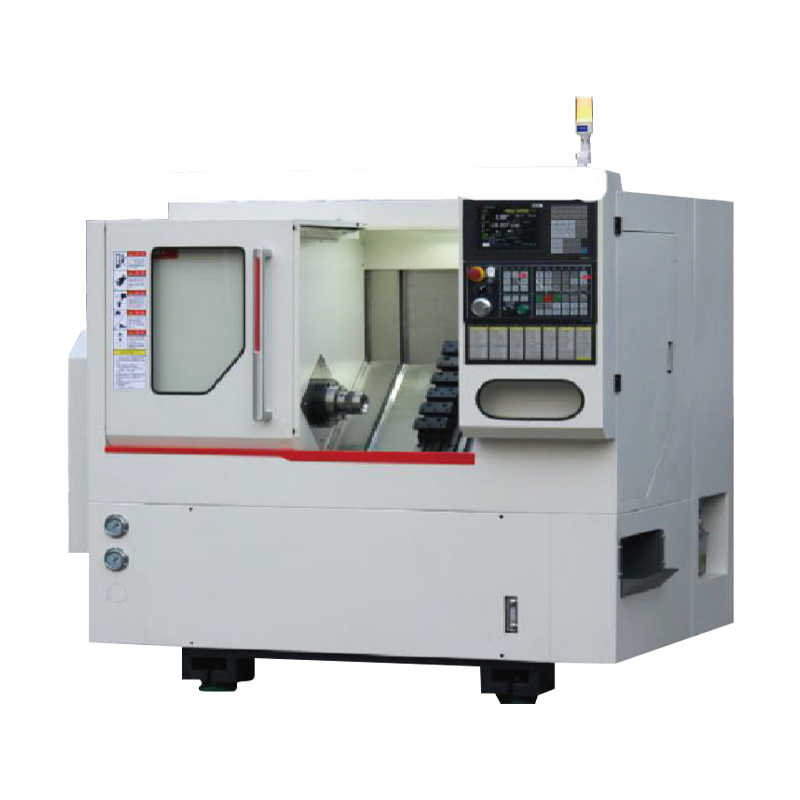
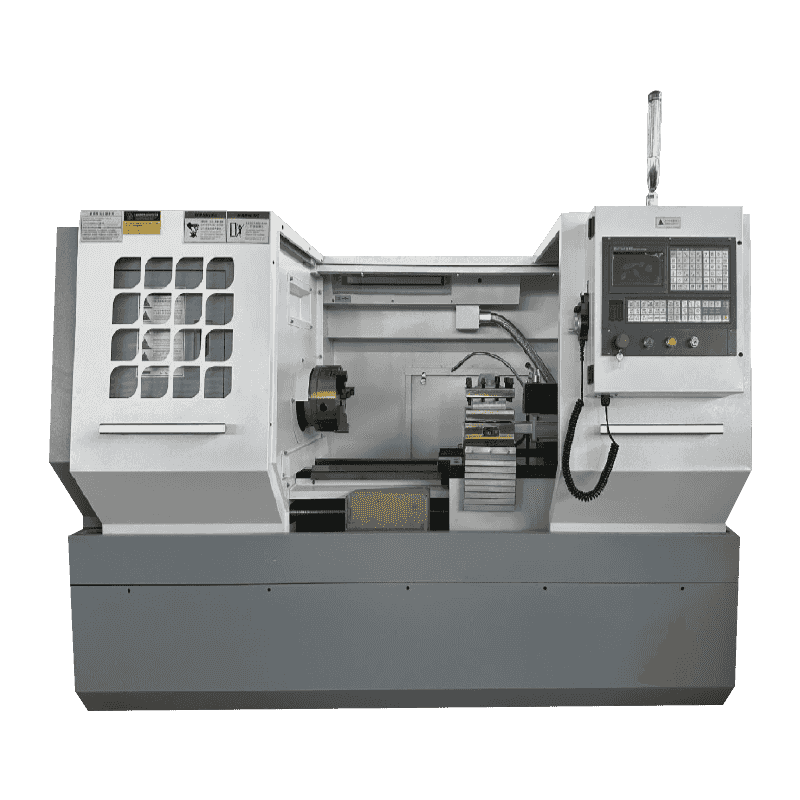
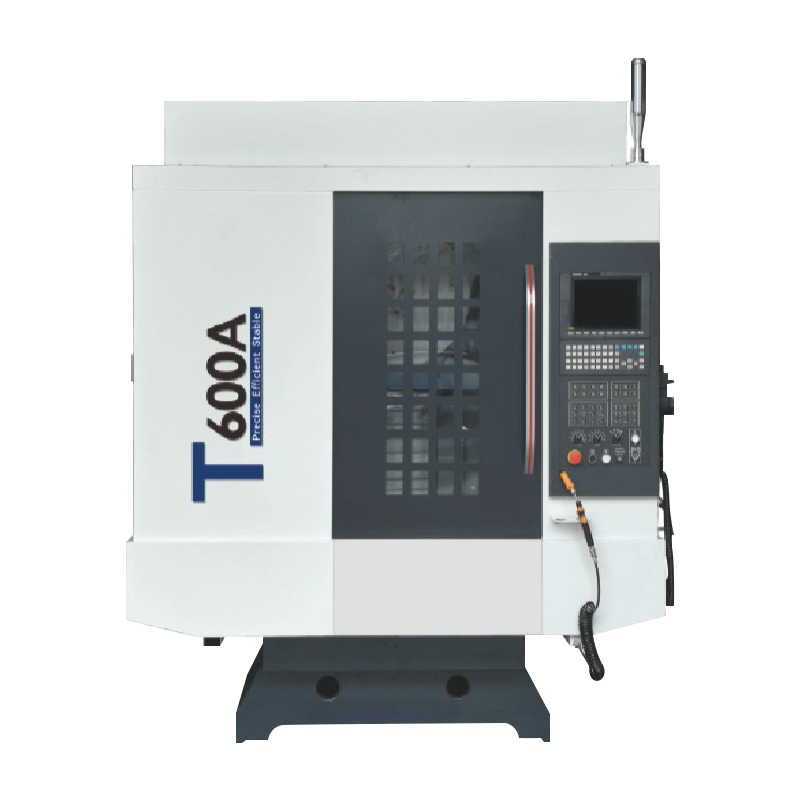
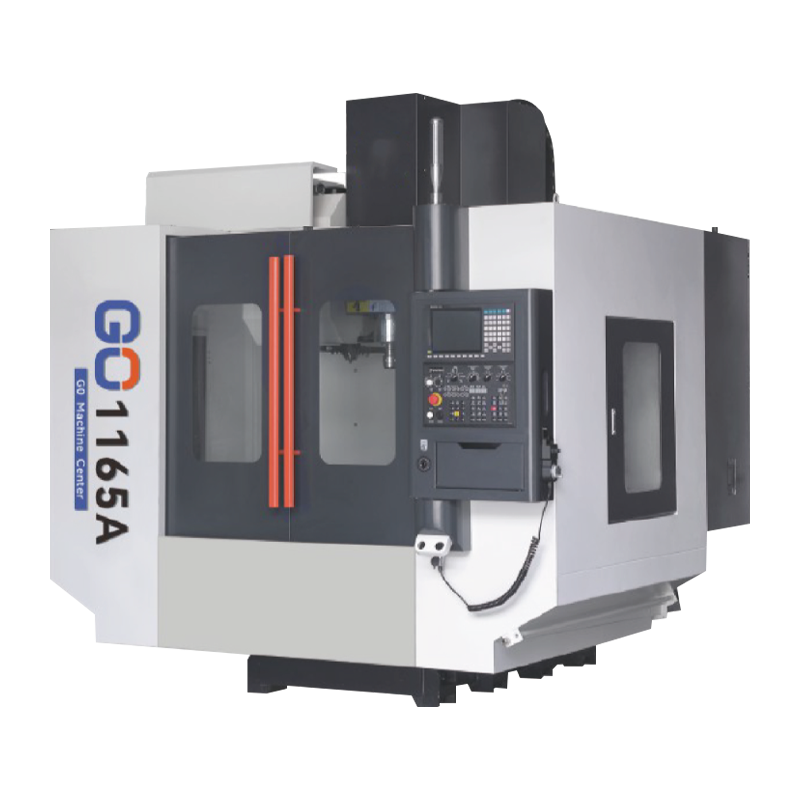
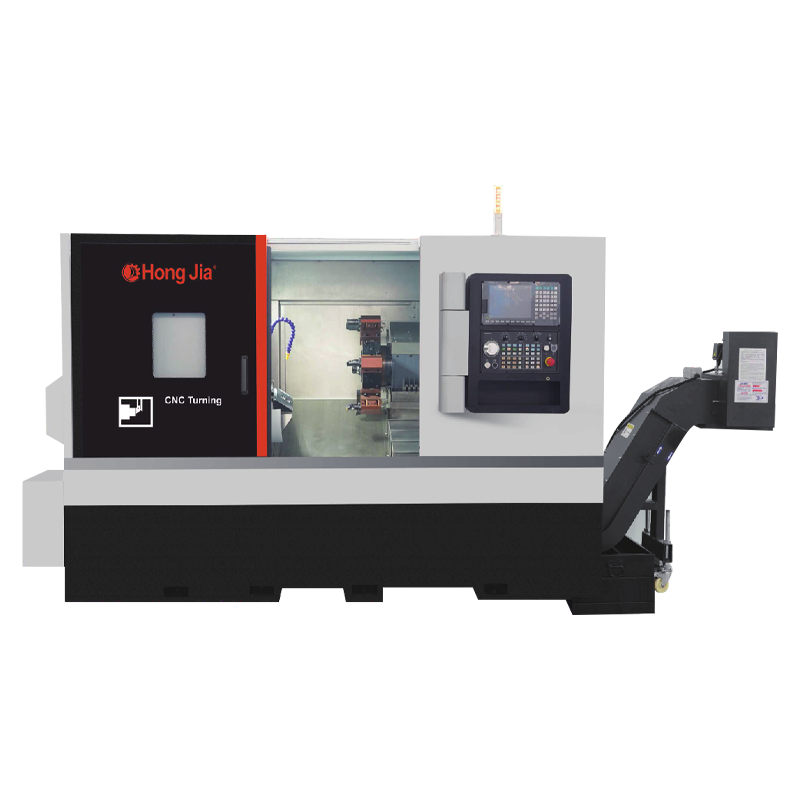
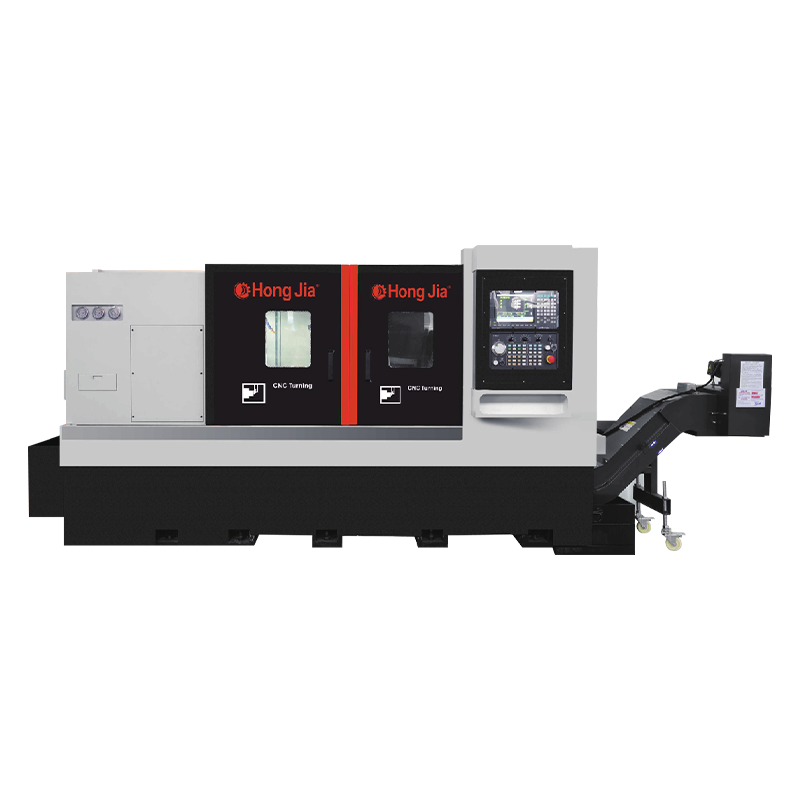
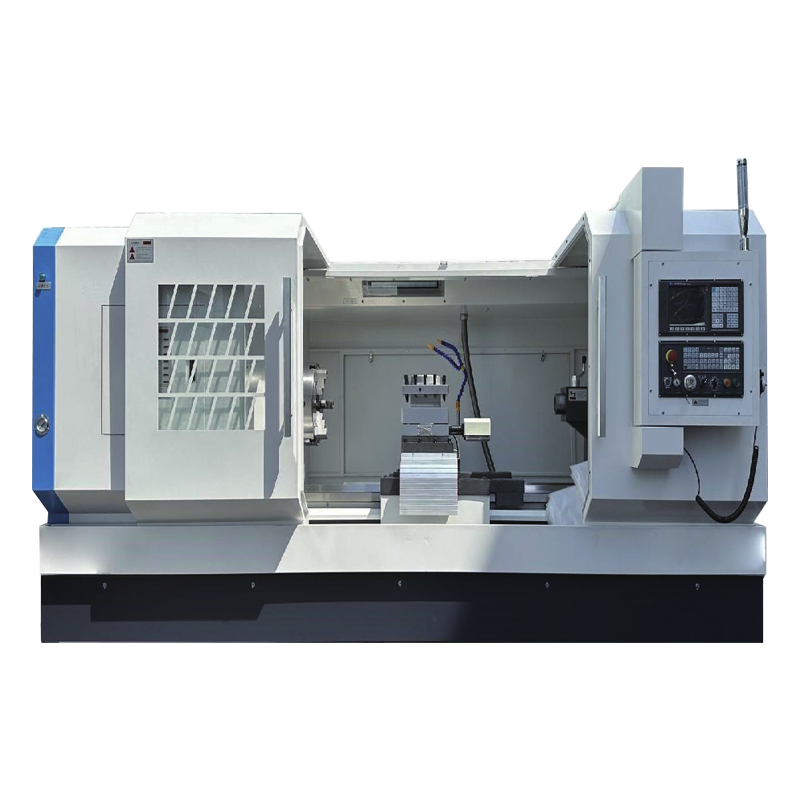
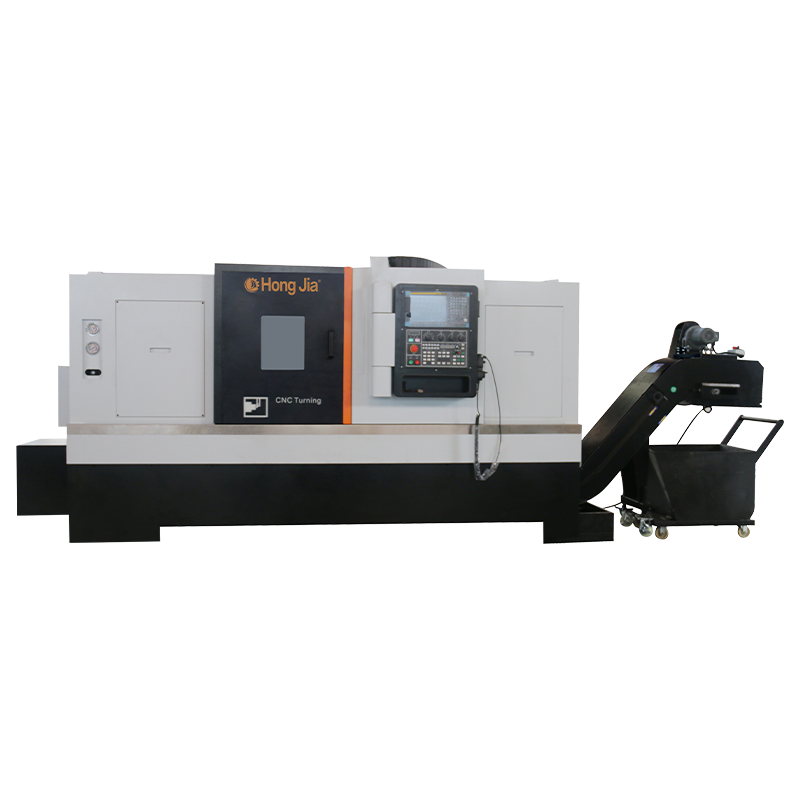
Don't hesitate to contact when you need us!
 Home / News / Industry News / How to Choose a High-Speed Precision Turning and Milling Machine (2026 Buyer Guide)
 How to Choose a High-Speed Precision Turning and Milling Machine (2026 Buyer Guide)
 2026.04.23
 Industry News
If you are evaluating a High-Speed Precision Turning And Milling Machine in 2026, here is the direct answer: prioritize spindle speed range (typically 6,000–12,000 RPM for general precision work), thermal stability, axis count, and chip-to-chip time. These four factors determine whether a machine delivers the micron-level tolerances and throughput your production line demands. Everything else—brand story, cabinet design, color—is secondary.
This guide walks you through every decision point in plain, technical language so your procurement team can compare specs without ambiguity.
Content
- 1 Why High-Speed Precision Turning And Milling Matters in 2026
- 2 Key Technical Specifications to Evaluate
- 3 Single-Spindle vs. Dual-Spindle: Which Architecture Fits Your Work
- 4 CNC Control System: What to Look For Beyond the Brand Name
- 5 Structural Rigidity and Vibration Damping
- 6 Coolant and Chip Management: Often Underestimated
- 7 Automation Readiness and Integration
- 8 Industries and Applications Where These Machines Deliver the Most Value
- 9 Evaluating Supplier Support and Service Network
- 10 A Practical Checklist Before You Sign
- 11 About Ningbo Hongjia CNC Technology Co., Ltd.
- 12 Frequently Asked Questions
Why High-Speed Precision Turning And Milling Matters in 2026
Modern manufacturing is no longer separating turning from milling into two separate operations. Consolidating both in a single setup eliminates re-fixturing errors—often the largest contributor to tolerance stack-up in precision components. Studies in aerospace and medical device manufacturing show that re-fixturing alone can introduce 8–25 µm of positional error per operation. A combined high-speed turning and milling platform removes that variable entirely.
Market data from 2025 shows that adoption of turn-mill centers in contract machining shops grew by roughly 31% year-over-year, driven largely by tighter delivery windows and the demand for complex geometries in electric vehicle drivetrain components and medical implants. If your shop is still running separate lathes and VMCs for parts that could be completed in one setup, you are leaving cycle-time reduction on the table.
Key Technical Specifications to Evaluate
Before issuing an RFQ or visiting a showroom, define your specification floor. Here are the parameters that separate capable machines from genuinely precise ones.
Spindle Speed and Power
For a High-Speed Electric Spindle Turning And Milling Machine, the milling spindle speed is the headline figure, but continuous power output matters more in production. Look for a milling spindle rated at 12,000 RPM or above with at least 15 kW continuous power. Electric spindle designs (also called integrated motor spindles) offer better thermal management and lower vibration compared to belt-driven alternatives, which directly improves surface finish Ra values—typically achieving Ra 0.4–0.8 µm on steel without a secondary grinding operation.
Axis Count and Configuration
A 5-axis configuration (X, Y, Z, B, C) is now the baseline for complex parts. If your parts require undercuts, compound angles, or deep-cavity milling, evaluate whether the machine offers simultaneous 5-axis interpolation—not just 5-axis positioning. The difference is significant: positioning-only limits you to indexed cuts, while simultaneous interpolation enables continuous contouring on curved surfaces.
Thermal Compensation System
Thermal drift is the silent killer of dimensional accuracy in high-speed machining. A quality machine should include an active thermal compensation system with at least 12 temperature sensors across the spindle, ball screws, and structural column. Machines with well-engineered thermal loops maintain positional accuracy within ±2 µm over an 8-hour shift, even as ambient shop temperature fluctuates ±5°C.
Turret and Tool Magazine Capacity
For complex parts, tool magazine capacity directly impacts how often an operator must intervene. A 40-tool magazine is adequate for moderate complexity; 60-tool or larger is recommended for lights-out or near-lights-out operation. Chip-to-chip time (tool change speed) should be under 3 seconds for competitive cycle times.
Single-Spindle vs. Dual-Spindle: Which Architecture Fits Your Work
One of the most consequential decisions in machine selection is whether to go with a single main spindle or a Dual-Spindle Turning And Milling Machine. Here is a direct comparison.
| Factor | Single-Spindle | Dual-Spindle |
|---|---|---|
| Best suited for | Low-to-medium volume, complex geometry | High-volume, symmetrical or bar-fed parts |
| Cycle time advantage | Moderate | Up to 40–60% reduction via simultaneous cutting |
| Part transfer accuracy | N/A (single chuck) | ±3–5 µm with synchronized spindle transfer |
| Floor space requirement | Compact | Larger footprint, but replaces 2+ machines |
| Operator skill required | Standard CNC programming | Synchronized multi-channel programming |
| ROI timeline | 12–18 months typical | 8–14 months on qualifying part families |
The Dual-Spindle Joint Turning And Milling Machine architecture—where both spindles share a common bed and can synchronize rotation—is particularly powerful for shaft-type components. The sub-spindle receives the part from the main spindle without manual intervention, machines the back face and features, and ejects the finished part. This eliminates the manual flip operation entirely, which in a production environment running 200 parts per shift represents a substantial labor and error reduction.
CNC Control System: What to Look For Beyond the Brand Name
The control system is the brain of a precision turn-mill center, and its capabilities directly affect what your programmers can do and how fast they can do it. Key evaluation criteria:
- Block processing speed: For high-feed milling toolpaths with small increments, the control must process blocks in under 0.5 ms. Slow block processing causes feedrate drops that appear as surface blemishes.
- Multi-channel synchronization: On dual-spindle machines, the control must handle two or more independent channels simultaneously with M-code synchronization between them.
- Look-ahead function: A look-ahead buffer of at least 200 blocks allows the control to pre-calculate velocity transitions, preventing abrupt deceleration in complex contouring.
- Measurement and in-process gauging integration: Native support for touch probes and post-process gauging feedback loops tightens the actual-to-nominal gap without manual inspection interruptions.
- IoT and data connectivity: MTConnect or OPC-UA compatibility is no longer optional for shops moving toward digital manufacturing; verify the control supports standard protocols.
Structural Rigidity and Vibration Damping
High spindle speed is only useful if the machine structure can absorb cutting forces without vibration. Look for these structural indicators:
- Cast iron or Meehanite bed: Dense cast iron with internal ribbing provides superior vibration damping compared to welded steel frames. Some manufacturers use polymer concrete (mineral casting) for even higher damping ratios—up to 6–8 times better than cast iron.
- Linear guide width and preload: Wide-span linear roller guides with medium preload deliver both rigidity and low friction. Avoid machines where the guide span is narrow relative to the axis travel.
- Spindle bearing class: Precision class P4 or better angular contact bearings are the minimum standard for a high-speed electric spindle turning and milling machine operating above 8,000 RPM.
Coolant and Chip Management: Often Underestimated
In a combined turning and milling operation, chip volumes can be substantial—especially when machining aluminum or stainless steel. Poor chip evacuation causes re-cutting (which degrades surface finish and shortens tool life) and can create pockets of heat that affect dimensional stability.
For high-throughput applications, look for machines with through-spindle coolant (TSC) at 70 bar or above. TSC at this pressure flushes chips directly from the cutting zone, enabling deeper drilling without pecking cycles and improving tool life by 20–35% in titanium and stainless applications. The coolant tank should include a drum or belt filter to prevent fine chips from recirculating and scoring guide surfaces.
Automation Readiness and Integration
A precision turn-mill center that cannot integrate with automation is a bottleneck waiting to happen. Evaluate these integration capabilities before committing:
- Bar feeder compatibility: For shaft and pin families, a bar feeder eliminates blank loading entirely. Confirm the spindle bore size accommodates your maximum bar diameter (typically 51 mm, 65 mm, or 80 mm for mid-range machines).
- Robot loading interface: A standardized robot-mounting flange and standardized I/O signals (EUROMAP or similar) reduce integration engineering time significantly.
- Pallet changer: For prismatic workpiece families, an integrated pallet changer allows setup of the next pallet while the current one is being machined—improving spindle utilization from a typical 65–70% to over 85%.
Industries and Applications Where These Machines Deliver the Most Value
High-speed precision turn-mill centers are not universal solutions. They deliver maximum ROI in specific application contexts:
- Aerospace structural components: Titanium brackets and housings with multiple drilled and tapped features, combined turning and contouring operations in one setup.
- Medical device manufacturing: Bone screws, implant stems, and surgical instrument bodies that require turning, milling, thread whirling, and marking—all in one fixturing.
- EV drivetrain components: Motor shafts, rotor cores, and gearbox shafts benefit enormously from dual-spindle joint turning and milling configurations that complete both ends of the shaft without re-fixturing.
- Hydraulic valve bodies: Complex internal galleries and port configurations require simultaneous turning and 5-axis milling that a turn-mill center handles natively.
- Precision connectors and fittings: High-volume bar-fed production of small threaded components where dual-spindle machines run unattended for extended shifts.
Evaluating Supplier Support and Service Network
A precision machine is only as good as the support structure behind it. Downtime on a turn-mill center that serves as a single-point process for a critical part family is extremely costly. Evaluate suppliers on:
- Spare parts availability: Key wear items (spindle bearings, ball screws, way wipers) should be available with a lead time under 48 hours from regional stock.
- Remote diagnostics: Modern machines should offer remote access capability for control diagnostics, reducing average response time from hours to minutes for software-related issues.
- On-site response commitment: For production-critical installations, confirm SLA terms for on-site technician response—ideally within 24 hours.
- Training programs: Operator and programmer training should be included in the commissioning package, not sold as a separate premium service.
- Application engineering support: The supplier should be willing to demonstrate your actual part or a close analog on their machine before purchase—not just run showcase parts.
A Practical Checklist Before You Sign
Use this checklist during final evaluation to avoid common procurement mistakes:
- Request a live cutting test on a representative part in your material with your tolerances—not a demo part.
- Ask for the machine's accuracy test chart (ISO 230-2 or equivalent) specific to the serial number being offered, not a generic one.
- Confirm spindle run-out specification (≤1 µm for precision work) with a documented measurement.
- Verify the control software version includes the features quoted—some features are optional modules with additional licensing.
- Check whether the quoted tooling system (HSK, Capto, KM) matches your existing toolholder inventory to minimize transition costs.
- Review the warranty terms line by line—pay attention to exclusions for "operator error" and what constitutes standard wear versus defect.
- Visit a reference customer running similar work and ask them directly about uptime, support response, and any surprises post-installation.
About Ningbo Hongjia CNC Technology Co., Ltd.
Ningbo Hongjia CNC Technology Co., Ltd. started in 2006 and was formally established in 2018. Located in Qianwan New District, Ningbo City, Zhejiang Province—within the south wing of China's Yangtze River Delta Economic Zone—Hongjia CNC is an enterprise specializing in the research, development, production, and sales of CNC metal cutting equipment.
As a leading China Dual-Spindle Turning And Milling Machine manufacturer and wholesale High-Speed Electric Spindle Turning And Milling Machine company, Hongjia CNC combines strong technical strength with deep industry experience. The company is committed to providing customers with advanced CNC solutions tailored to meet the precise needs of clients across aerospace, automotive, medical device, and general precision manufacturing sectors.
Hongjia CNC's engineering team works closely with customers from application analysis through commissioning, ensuring that every machine is configured and validated to achieve specified tolerances in the customer's actual production environment—not just on the factory floor.
