
 English
 中文简体
中文简体 русский
 Español
 عربى
عربى
Don't hesitate to contact when you need us!
What Is a High-Speed Precision Turning and Milling Machine?
 2026.05.20
 Industry News
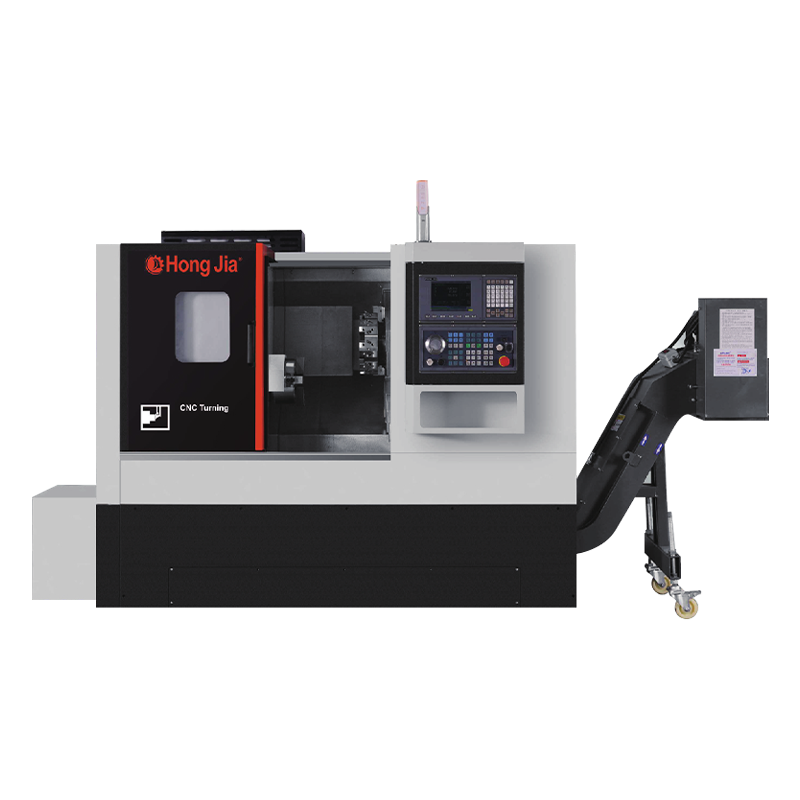
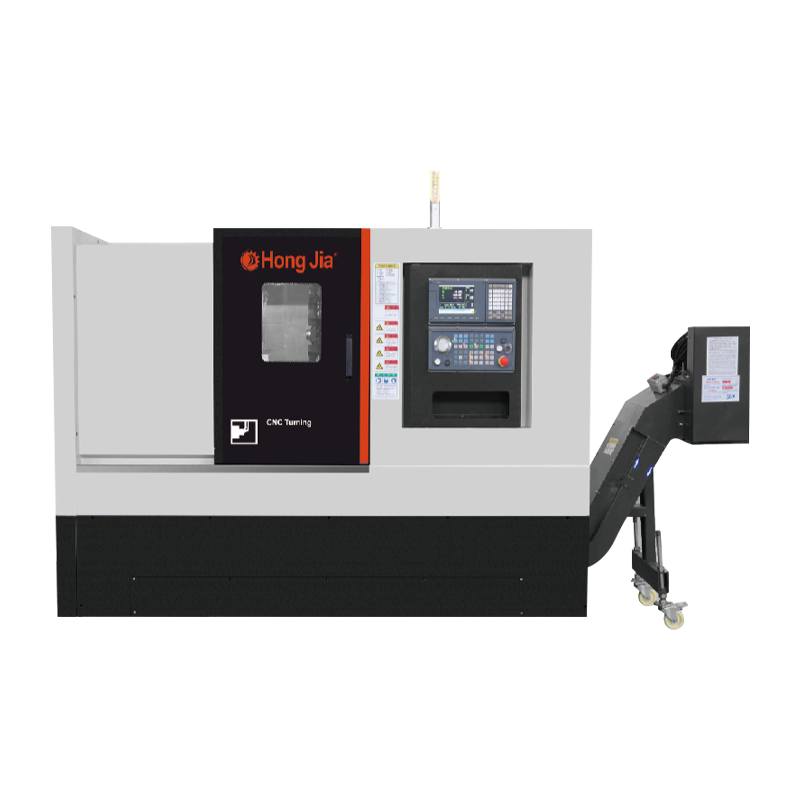
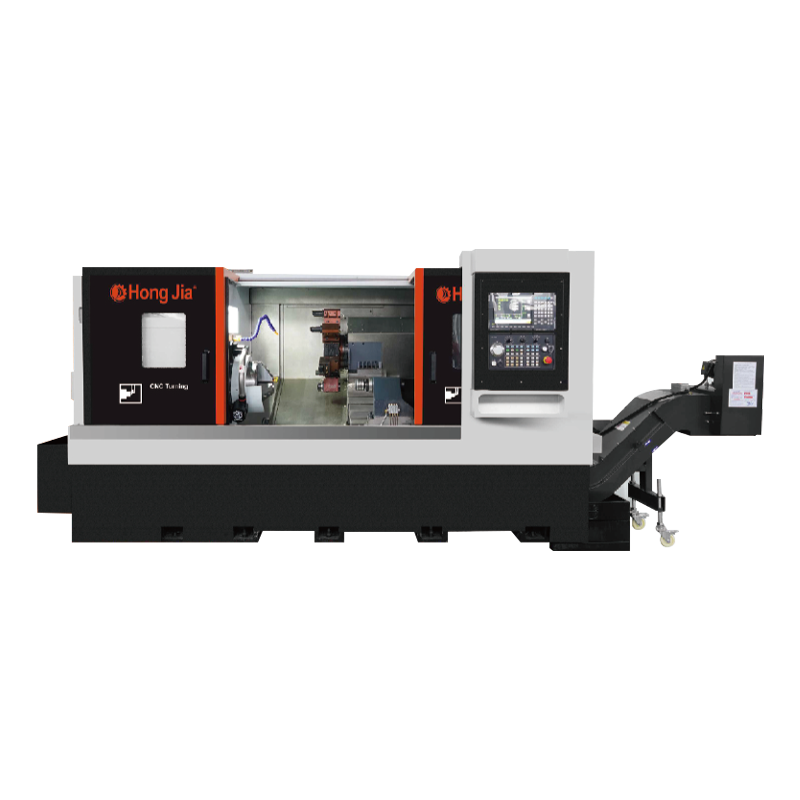
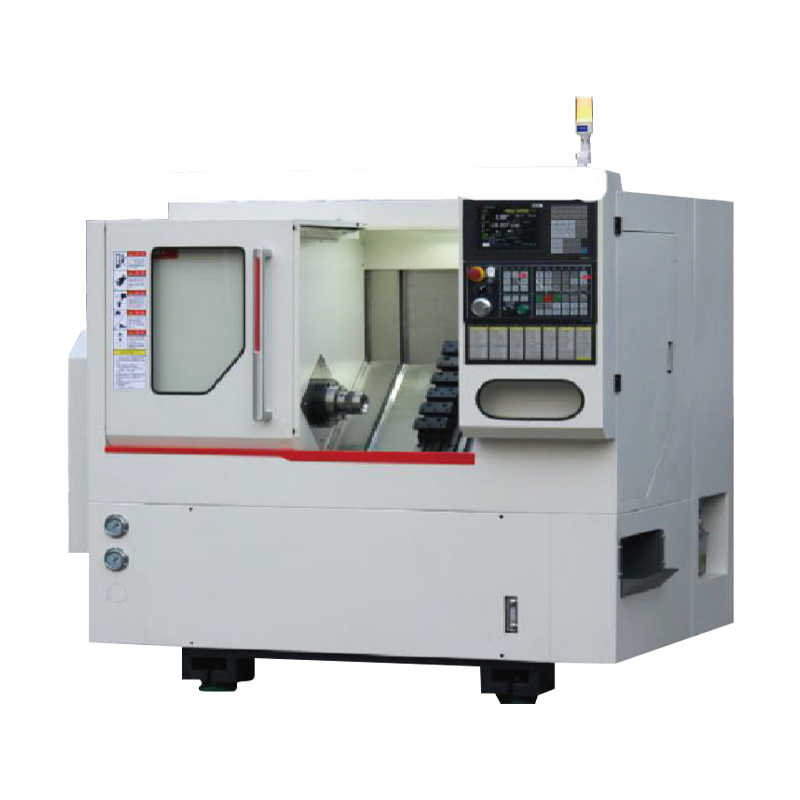
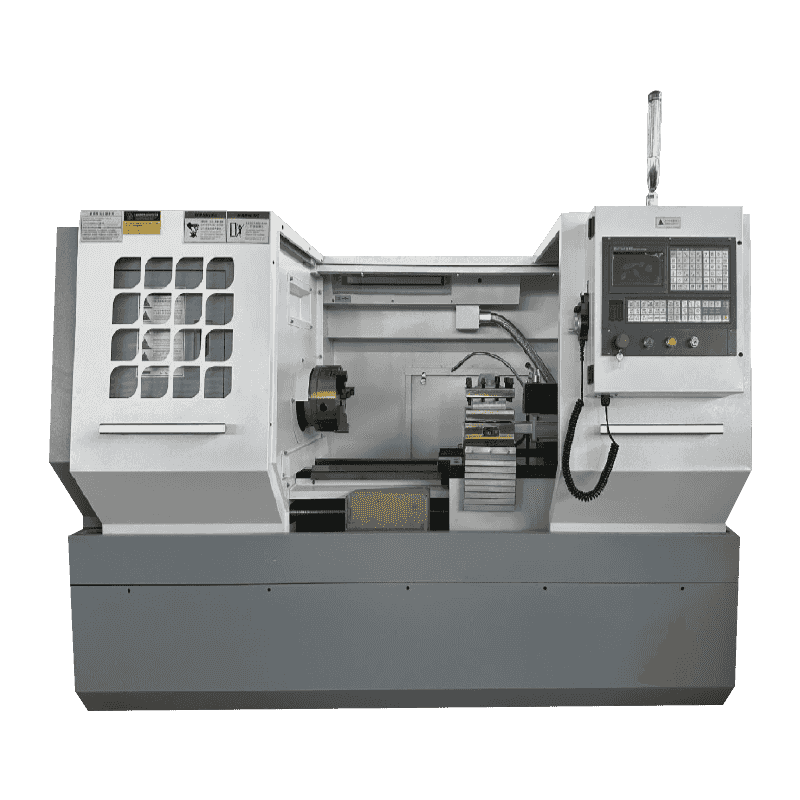
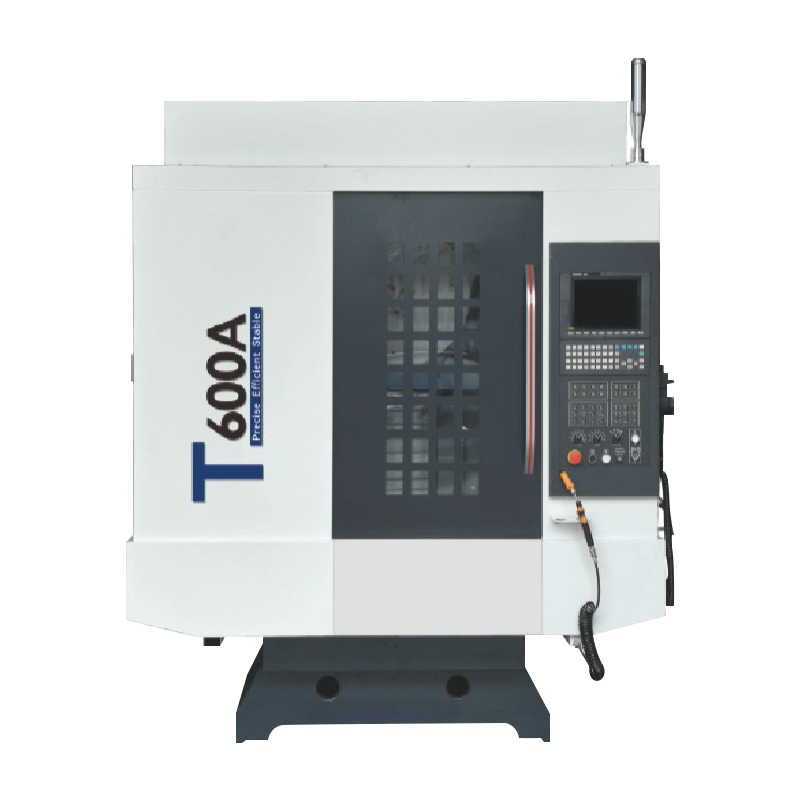
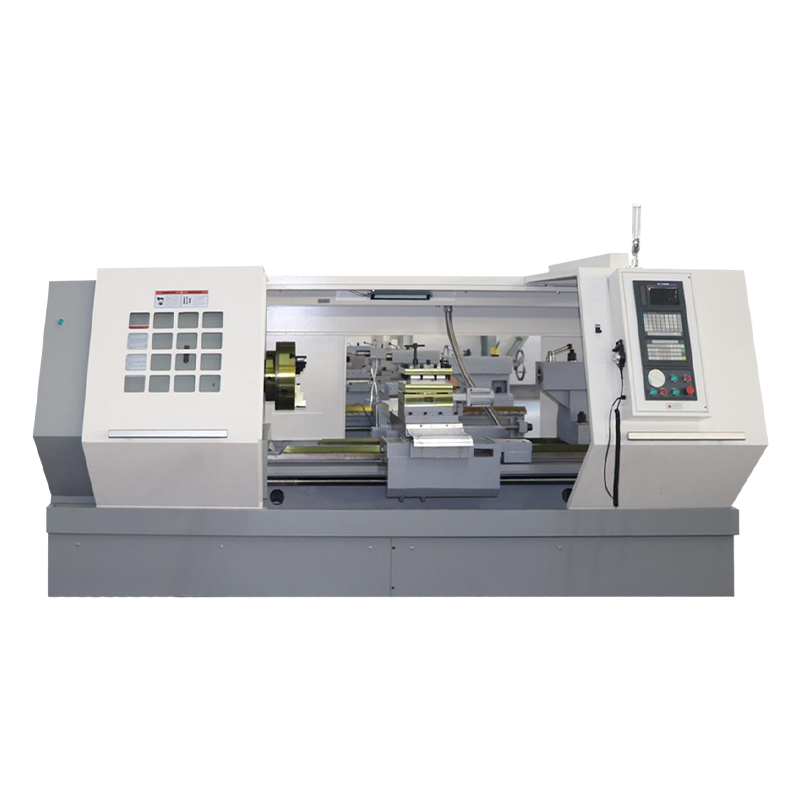
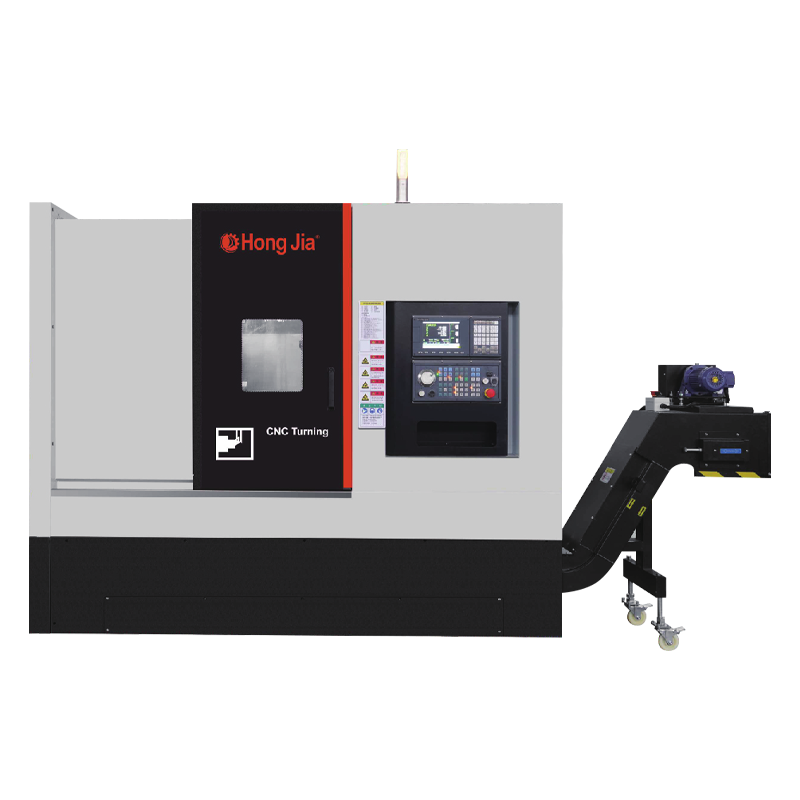
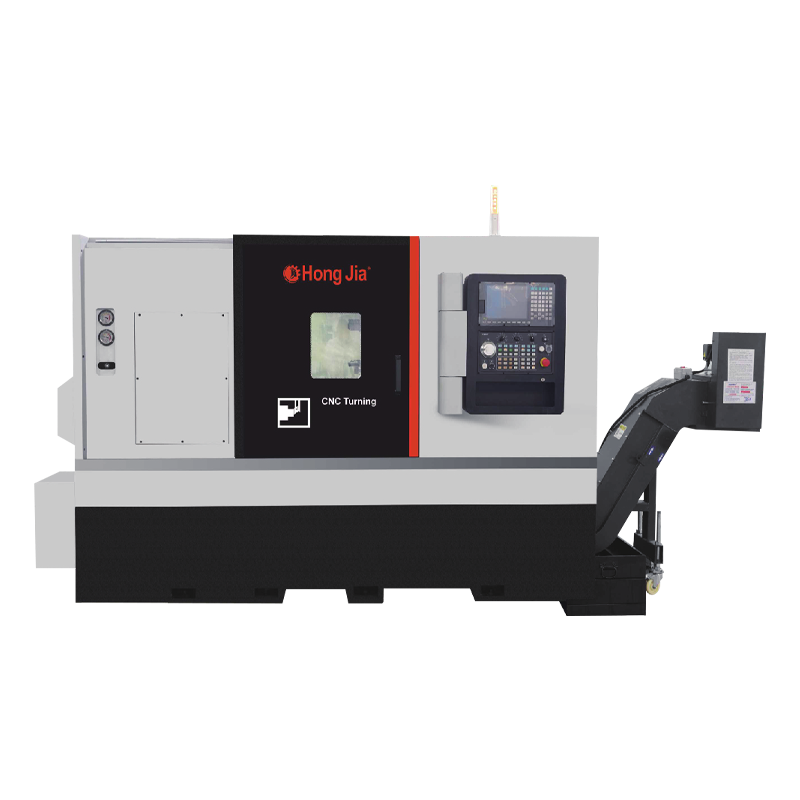
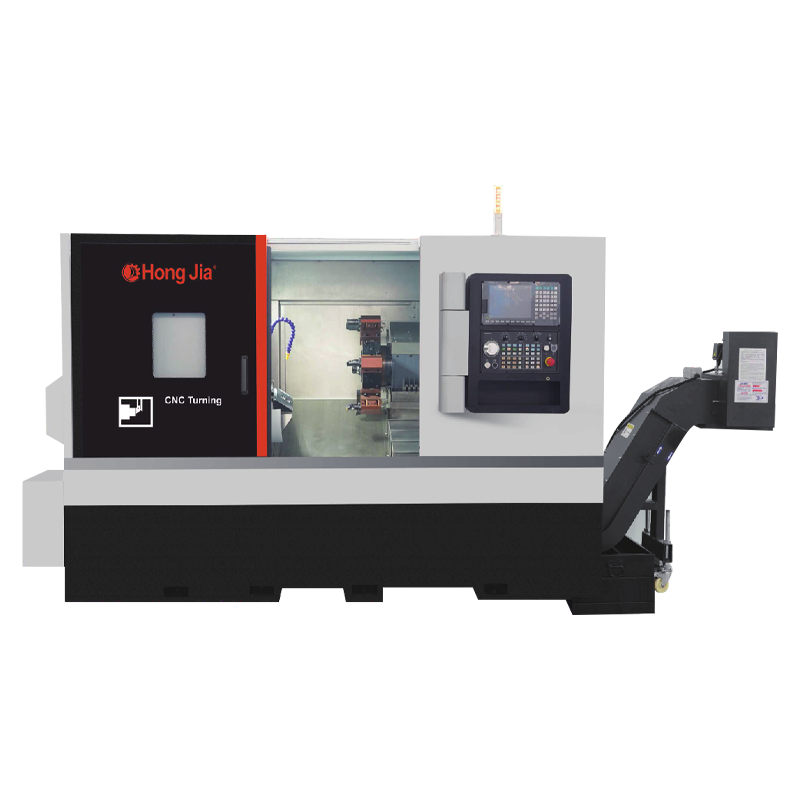
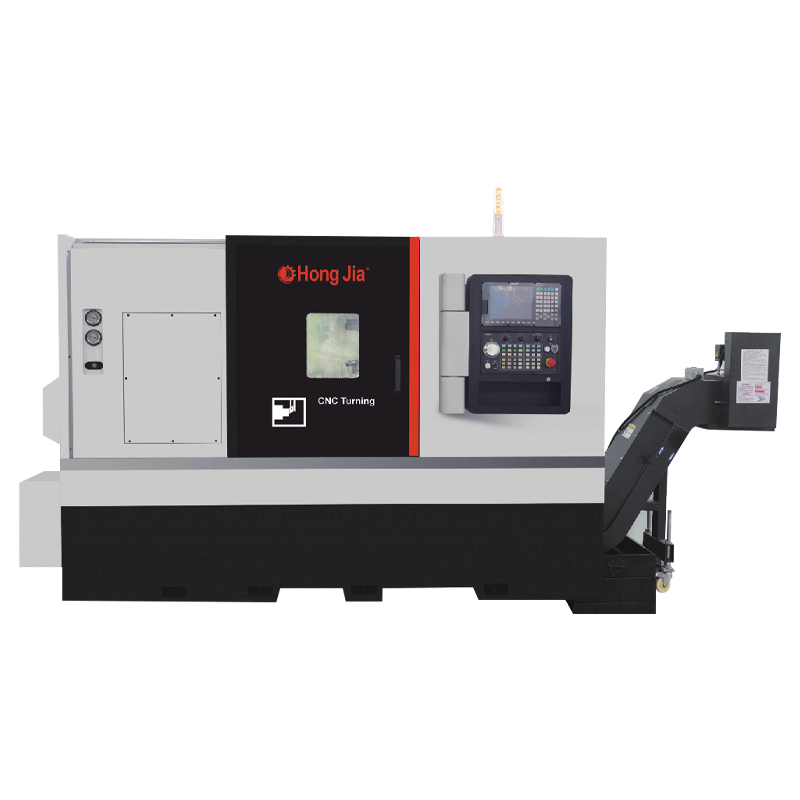
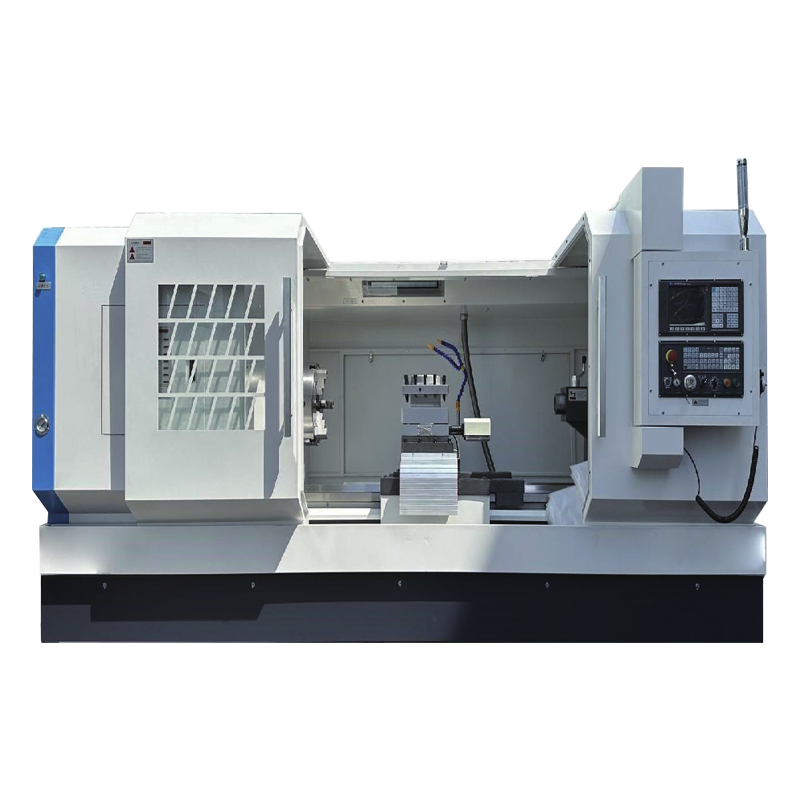
A high-speed precision turning and milling machine is a multi-function CNC metal cutting system that performs both rotational turning operations and multi-axis milling operations on a single platform — eliminating the need to transfer workpieces between separate machines. The core advantage is clear: fewer setups, tighter dimensional accuracy, and significantly shorter total cycle times. For manufacturers producing complex shaft components, flanged parts, or precision housings, a combined turning and milling center can reduce total machining time by 40–60% compared to sequential single-function machining. Hongjia CNC, established in 2018 and rooted in Ningbo's advanced manufacturing ecosystem, specializes in developing exactly this class of equipment — from high-speed electric spindle turning and milling machines to dual-spindle turning and milling configurations built for continuous production demands.
Unlike conventional lathes or standalone milling centers, a CNC turning and milling machine integrates a live tooling turret, a high-torque main spindle, a controlled C-axis, and — in dual-spindle configurations — a synchronized sub-spindle that enables complete machining of both ends of a workpiece in a single clamping. This architectural approach directly addresses the two biggest sources of error in precision machining: re-clamping deviation and thermal growth between operations.
Content
- 1 Product Overview: Hongjia CNC High-Speed Turning and Milling Platform
- 2 Working Principle: How High-Speed Electric Spindle Turning and Milling Machines Operate
- 3 Turning vs. Milling: Understanding the Difference in a Combined Machine
- 4 Machine Features That Define High-Speed Precision Performance
- 5 Advantages of Combined Turning and Milling Over Single-Function Machines
- 6 Compatible Materials and Industry Applications
- 7 Precision and Tolerance Capability of High-Speed CNC Turning and Milling
- 8 Common Problems and Practical Solutions in CNC Turning and Milling
- 9 CNC Turning and Milling Machine Maintenance Guidelines
- 10 Frequently Asked Questions About High-Speed Precision Turning and Milling Machines
Product Overview: Hongjia CNC High-Speed Turning and Milling Platform
Ningbo Hongjia CNC Technology Co., Ltd. began its technical journey in 2006 and formally established its corporate structure in 2018, positioning itself in the Qianwan New District of Ningbo — a city situated in the south wing of China's Yangtze River Delta Economic Zone, one of the world's most concentrated clusters of precision manufacturing capability. As a professional dual-spindle turning and milling machine manufacturer, Hongjia CNC has built a product portfolio around advanced CNC solutions for customers across automotive, aerospace, hydraulics, medical device, and general precision engineering sectors.
The company's flagship product lines include the high-speed electric spindle turning and milling machine — characterized by direct-drive spindle technology that eliminates belt and gear transmission losses — and the dual-spindle joint turning and milling machine, which enables fully automated, lights-out machining of complex parts in a single program cycle. With strong technical R&D capabilities accumulated over nearly two decades of industry experience, Hongjia CNC provides customers with machines that meet the evolving requirements of high-mix, high-precision production environments.
| Machine Type | Key Feature | Spindle Configuration | Best For |
|---|---|---|---|
| High-Speed Electric Spindle T&M | Direct-drive electric spindle, high RPM | Single main + live tooling | Precision small-to-medium parts, high surface finish |
| Dual-Spindle Turning & Milling | Synchronized main + sub-spindle | Two full-function spindles | Complete machining, bar-fed automation |
| Dual-Spindle Joint T&M | Combined turning + milling in one cycle | Dual spindle + Y-axis milling | Complex prismatic & rotational features |
Working Principle: How High-Speed Electric Spindle Turning and Milling Machines Operate
The operating principle of a high-speed electric spindle turning and milling machine integrates two fundamentally different metal removal mechanisms within one controlled kinematic system. During turning operations, the main spindle rotates the workpiece at programmed speeds while a stationary or servo-indexed cutting tool engages the outside diameter, face, or bore. During milling operations, the main spindle is locked in a controlled C-axis orientation while live rotating tools mounted in the turret — or a dedicated milling head — perform face milling, slot cutting, drilling, tapping, or contouring operations.
The high-speed electric spindle is the core enabling technology. Unlike belt-driven or gear-driven spindles, direct-drive electric spindles integrate the motor rotor directly onto the spindle shaft, eliminating mechanical transmission stages entirely. This delivers several measurable benefits: spindle acceleration to 6,000 RPM in under 1.5 seconds, vibration levels below 0.001 mm/s RMS at full speed, and thermal growth compensation that keeps positional deviation under 5 µm across the full operating temperature range. The result is consistent surface finish quality (Ra 0.4 µm achievable on steel) and dimensional stability across long production runs.
In dual-spindle configurations, the main and sub-spindle operate under synchronized CNC control. When the main spindle completes front-face operations, the sub-spindle engages the part — using a programmed speed and position synchronization sequence — and accepts the workpiece transfer without manual intervention. The sub-spindle then machines the back face while the main spindle begins the next raw part. This overlap reduces non-cutting time by up to 35% in high-volume production scenarios and eliminates rechucking error that would otherwise accumulate between separate machine setups.
Electric Spindle Speed vs. Surface Roughness (Ra µm) — Steel Workpiece
The line chart above illustrates a critical manufacturing insight: as spindle speed increases, the high-speed electric spindle consistently achieves lower surface roughness (Ra) values than a conventional belt-driven spindle across the entire speed range tested on steel workpieces. At 6,000 RPM, the electric spindle reaches Ra 0.4 µm — a surface quality that eliminates secondary grinding operations for many applications — while the conventional spindle reaches only Ra 0.72 µm at the same speed. This improvement stems from the absence of belt-induced micro-vibrations and gear mesh frequencies that introduce periodic surface waviness during cutting. For manufacturers producing hydraulic valve bodies, medical implant components, or precision optical mounts where surface integrity is a functional requirement, this difference directly translates into reduced post-processing costs and improved component performance in service.
Turning vs. Milling: Understanding the Difference in a Combined Machine
A common question when evaluating a CNC turning vs milling configuration is which process takes precedence and when to use each. In a turning and milling center, both processes are available within the same program, and the CNC controller seamlessly transitions between them based on the operation type programmed in each tool call block.
Turning Operations
Turning is the primary process for generating cylindrical, conical, and profiled surfaces of revolution. The workpiece rotates at a programmed surface speed (constant surface speed control is standard on modern CNC turning and milling machines) while a single-point cutting tool traverses along the X and Z axes. Turning operations include outside diameter turning, facing, profiling, threading (internal and external), boring, grooving, and parting-off. Typical achievable tolerances on diameter are IT6 to IT7 (±0.008 mm to ±0.018 mm) under stable cutting conditions.
Milling Operations
Milling on a turning and milling center uses live rotating tools driven by the turret's built-in motor or a dedicated milling spindle, with the main spindle locked in a precise angular position (C-axis). The addition of a Y-axis on advanced machines enables off-center milling operations — slots, keyways, flats, pockets, and bolt-hole circles — that would be impossible on a pure turning machine. Multi-axis CNC milling capabilities allow the machine to produce complex 3D contoured features on parts that also have rotational symmetry, enabling complete machining in one setup.
| Attribute | Turning | Milling |
|---|---|---|
| Motion | Workpiece rotates, tool moves | Tool rotates, workpiece indexed (C-axis) |
| Typical Features | OD, ID, threads, grooves, tapers | Flats, slots, pockets, holes, contours |
| Material Removal Rate | High (continuous chip) | Moderate (interrupted cut) |
| Surface Finish | Ra 0.4–1.6 µm achievable | Ra 0.8–3.2 µm typical |
| Tolerance (diameter/position) | IT6–IT7 (±0.008–0.018 mm) | IT7–IT8 (±0.011–0.027 mm) |
| Best Material Types | All machinable metals and plastics | Aluminum, steel, brass, titanium |
Machine Features That Define High-Speed Precision Performance
The term high precision CNC machining carries specific technical meaning — it is not a marketing descriptor but a set of measurable machine characteristics that determine whether a machine can hold stated tolerances in production conditions, not just in a laboratory demonstration. The following features define the Hongjia CNC turning and milling platform's precision capability.
Direct-Drive Electric Spindle Technology
The high-speed electric spindle uses a built-in motor design where the rotor is integral to the spindle shaft. Angular contact ceramic bearings support the spindle at both ends, providing high radial stiffness (typically >150 N/µm) and low thermal growth. Spindle runout is controlled to below 1 µm (TIR) — a specification that directly determines roundness and cylindricity of turned parts and positional accuracy of milled features.
Rigid Machine Base and Thermal Compensation
The machine bed uses high-damping polymer concrete composite or stress-relieved cast iron construction to absorb vibration energy that would otherwise manifest as surface chatter. Linear guideway systems (linear roller guides on high-speed variants, box ways on heavy-duty variants) provide positioning repeatability of ±0.002 mm along all linear axes. An active thermal compensation system uses temperature sensors at key structural points to automatically offset axis positions, counteracting geometric drift caused by spindle heat, ambient temperature changes, and coolant temperature variation.
Multi-Axis CNC Control
Modern multi-axis CNC machines in the turning and milling category operate on at least 4 simultaneous axes (X, Z, C, and live tool rotation), with advanced models adding Y-axis (off-center milling), B-axis (tilting turret for angular features), and sub-spindle synchronization as standard or optional configurations. The CNC controller interpolates all active axes simultaneously, enabling helical milling, thread milling, and complex 3D contouring that would require dedicated 5-axis machining centers on conventional equipment.
Dual-Spindle Synchronization and Part Transfer
The dual-spindle joint turning and milling machine configuration adds a fully programmable sub-spindle with its own C-axis, live tooling turret, and Z-axis travel. Part transfer from main to sub-spindle is a programmed CNC cycle — the controller synchronizes both spindle speeds and positions before engagement, reducing transfer shock that could damage delicate parts or distort thin-walled workpieces. Transfer accuracy is typically within ±0.01 mm positional deviation, maintaining datum consistency between front and back machining operations.
Advantages of Combined Turning and Milling Over Single-Function Machines
Manufacturers evaluating a CNC machining center investment weigh capability against floor space, operator requirements, and workflow complexity. Combined turning and milling machines offer a compelling case across all three dimensions — and the advantages are most pronounced in precision, high-mix production environments.
The chart above demonstrates why combined turning and milling machines have become the preferred investment for precision contract manufacturers and in-house machine shops producing complex components. Setup time reduction of up to 60% is the most immediate operational benefit — each eliminated workpiece transfer represents not only saved operator time but also removed error opportunity, since every rechucking introduces potential datum shift that accumulates into final part deviation. The 35% dimensional accuracy improvement reflects the statistical reality that parts machined in a single setup cannot accumulate re-clamping error between operations, and the thermal history of the workpiece remains consistent throughout machining rather than varying between machine environments. The 45% reduction in work-in-progress inventory is a significant financial benefit for manufacturers who have historically kept large WIP buffers to accommodate transfer queues between separate turning and milling departments.
- Single-setup complete machining — eliminates datum error between turning and milling operations, the most common source of composite tolerance stack-up in complex parts.
- Reduced floor space requirement — one dual-function machine replaces two or three single-function machines, freeing factory floor area for additional capacity or quality control operations.
- Bar-fed automation compatibility — dual-spindle configurations with integrated bar feeders enable unattended production runs of up to 8 hours, reducing labor cost per part in high-volume applications.
- Reduced tooling inventory — consolidated tooling in a single turret rather than across multiple machine tool types lowers tooling cost and simplifies tool management systems.
- Faster quoting and scheduling — single-machine routing for complex parts simplifies production scheduling, reduces lead time variability, and improves on-time delivery performance.
Compatible Materials and Industry Applications
The versatility of CNC machining services delivered by high-speed turning and milling machines is partly defined by the range of materials they can process effectively. Hongjia CNC machines are engineered to handle the full spectrum of common engineering materials, with spindle power and torque specifications sized for both lightweight non-ferrous metals and tough stainless or titanium alloys.
The machinability index chart provides a practical reference for manufacturers planning tooling strategies and estimating cycle times for different material families. Aluminum alloys rank highest in machinability, allowing high spindle speeds (up to 6,000 RPM on the Hongjia electric spindle platform), aggressive feed rates, and excellent surface finish with standard carbide tooling — making the HXM turning and milling center highly productive for aerospace structural components and automotive light-alloy parts. Stainless steels and titanium alloys at the lower end of the machinability range require lower cutting speeds, higher torque, and carefully selected coated carbide or ceramic tooling, but the rigid machine construction and active vibration damping of the Hongjia platform provide stable cutting conditions even in these demanding materials. Understanding machinability guides appropriate tooling selection, cutting parameter optimization, and coolant strategy — all factors that directly affect part quality, tool life, and production cost per part.
Automotive and Powertrain Components
Transmission shafts, camshaft housings, differential carriers, brake caliper bodies, and fuel injection components all combine rotational turned features with milled faces, drilled cross-holes, and threaded ports. The dual-spindle configuration handles complete machining of these parts — including back-face operations — in a single program with no operator intervention between ops 10 and ops 20.
Hydraulic and Pneumatic Components
Hydraulic valve spools, piston rods, pump housings, and manifold bodies require precision bore diameters (H7 tolerance or better), surface finishes below Ra 0.8 µm on sealing surfaces, and precisely positioned cross-drilled passages. The high-speed electric spindle turning and milling machine delivers all three requirements within a single setup, eliminating the leak-path risk associated with rechucking between turning and drilling operations.
Medical Device and Implant Machining
Orthopedic implants, surgical instrument components, and dental prosthetic parts in titanium, cobalt-chrome, and stainless steel demand micron-level tolerances, documented process traceability, and contamination-free machining environments. Hongjia CNC machines support medical-grade machining with minimal part contact after initial chuck loading, reducing cross-contamination risk and supporting validation requirements for regulated medical device manufacturing.
Precision and Tolerance Capability of High-Speed CNC Turning and Milling
High precision CNC machining is quantified through specific geometric tolerances rather than general claims. Understanding what tolerance grades are practically achievable on a given machine — and under what conditions — is essential for determining whether a machine platform is suitable for a specific application's dimensional requirements.
The radar chart reveals a consistent and meaningful precision advantage across all six evaluated dimensions for the high-speed electric spindle turning and milling machine compared to a standard CNC lathe configuration. The most significant gaps appear in thermal stability and surface finish — areas where direct-drive spindle technology and active thermal compensation deliver improvements that belt-driven or gear-driven machines cannot achieve through parameter adjustment alone. Diameter tolerance capability at the IT6 level (±0.008 mm) and roundness within 2 µm on the T&M platform opens the door to applications that would previously have required cylindrical grinding as a finishing operation. Repeatability — the machine's ability to return to the same position across successive cycles — is quantified at ±0.002 mm, which is the enabling specification for high-volume production where statistical process capability index (Cpk) values above 1.67 are required by customers in automotive and medical supply chains.
| Tolerance Type | Achievable Value | Condition | Applicable Feature |
|---|---|---|---|
| Diameter (turned) | ±0.005 mm | Stable thermal, sharp insert | Shafts, bores, fits |
| Roundness | 2 µm | Warm machine, fine finish pass | Bearing journals, seals |
| Surface Roughness Ra | 0.4 µm | Electric spindle, CBN insert | Sealing surfaces, optical mounts |
| Positioning Repeatability | ±0.002 mm | Linear encoders, thermal comp active | All axes |
| Milled Slot Width | ±0.01 mm | Y-axis live milling, carbide end mill | Keyways, splines, flats |
| Thread Pitch Accuracy | 6H / 6g class | Thread cutting or milling cycle | All thread forms |
Common Problems and Practical Solutions in CNC Turning and Milling
Even well-configured CNC machine manufacturer platforms encounter operational challenges in production environments. Knowing the root cause of common problems enables faster diagnosis and minimizes costly unplanned downtime.
Dimensional Drift Across a Production Run
Parts measured within tolerance at the start of a shift gradually drift out of specification toward the end. The primary cause is thermal growth in the spindle and linear axes as the machine reaches thermal equilibrium. Solutions include: running a machine warm-up cycle of 15–20 minutes before measuring first-off parts, verifying that the active thermal compensation system is functioning with live temperature sensor readings, and establishing in-process gauging at regular intervals to detect drift before scrap is generated. For high-volume production, statistical process control (SPC) charting of key dimensions identifies drift trends before tolerance limits are reached.
Surface Chatter or Vibration Marks
Chatter manifests as regular wavy patterns on turned or milled surfaces and is typically caused by regenerative vibration between the cutting tool and workpiece. Root causes include excessive tool overhang, worn or incorrectly torqued toolholder, insufficient workpiece clamping stiffness, or cutting parameters in a resonant frequency zone. Solutions: reduce tool overhang to below 4× tool diameter, increase feed rate (often counterintuitive but effective at breaking the resonance cycle), use vibration-damped toolholders for deep bore operations, and check chuck jaw condition and clamping pressure.
Live Tool or Sub-Spindle Alarm
Live tooling motor overload alarms typically indicate excessive cutting force (tool worn, feed rate too high, depth of cut too aggressive for the tool's power rating), a collet not fully seating the tool (resulting in runout), or a mechanical fault in the turret indexing mechanism. Diagnostic steps: verify tool condition and replace if flank wear exceeds 0.3 mm, check tool clamping torque against manufacturer specification, review live tool power and torque ratings against the programmed cutting parameters, and inspect turret locking mechanism for burrs or contamination.
Part Transfer Error on Dual-Spindle Machines
In dual-spindle turning and milling machines, synchronization errors during part transfer can cause positional deviation between front and back machining datums, or in severe cases, part ejection from the chuck. Common causes include incorrect synchronization parameters in the CNC program (main and sub-spindle must reach the same speed and angular position before engagement), worn sub-spindle chuck jaws, or incorrect transfer position programmed for the part length. Verify synchronization speed parameters, re-calibrate chuck jaw condition, and perform a test transfer at reduced feedrate with manual intervention enabled.
CNC Turning and Milling Machine Maintenance Guidelines
Structured maintenance practices are the most cost-effective investment in machine uptime and long-term precision retention. High-speed electric spindle machines have specific maintenance requirements related to spindle bearing lubrication and cooling that differ from conventional belt-driven machines and must be followed to maintain precision performance over time.
The column chart quantifies the estimated downtime risk reduction contribution of six core maintenance activities on high-speed turning and milling machines. Spindle lubrication is the highest-impact single maintenance task, accounting for up to 85% of spindle-related downtime prevention — because bearing failure in a direct-drive electric spindle is both costly to repair and requires significant machine downtime. The lubrication interval for high-speed spindle bearings is typically 500–1,000 operating hours using manufacturer-specified grease or oil-mist lubrication systems; deviating from this schedule is the single most common cause of premature spindle bearing failure. Way lubrication ranks second, as inadequate guideway lubrication causes stick-slip motion that directly degrades positioning repeatability and accelerates ball screw wear. Thermal compensation verification, while lower in absolute downtime impact, is uniquely important for precision applications where dimensional drift between measurements would otherwise result in scrap parts before the problem is detected.
- Daily: Check coolant concentration (maintain 6–10% for steel, 3–6% for aluminum), verify chip conveyor operation, inspect workholding chuck jaws for wear or contamination, confirm lubrication system oil levels, check for any axis alarm history in the controller log.
- Weekly: Inspect all tool holders and live tool collets for runout using a dial indicator, clean coolant tank strainer, check turret indexing accuracy by programming a full station cycle, verify sub-spindle chuck clamping force with a dynamometer chuck gauge.
- Monthly: Full geometric inspection of machine (spindle runout, axis straightness, plumb), drain and replace coolant tank, check and adjust counter-balance pressure for Z-axis, inspect electrical cabinet cooling filters and servo drive fans, verify thermal compensation sensor readings against calibrated thermometer.
- Every 500 Hours: Check electric spindle bearing temperature during warmup (abnormal rise above baseline indicates bearing degradation), inspect Y-axis ball screw preload, verify C-axis encoder reference position against a precision indexing artifact, check all hydraulic or pneumatic chuck supply pressures.
- Annually: Full ballbar test on all axes to verify circularity, squareness, and backlash within OEM specification, calibrate axis linear scales or encoder-based compensation tables, perform spindle bearing replacement if vibration or temperature data indicates degradation, full electrical insulation resistance testing on all motors.
Frequently Asked Questions About High-Speed Precision Turning and Milling Machines
Q1: What is the difference between a turning and milling machine and a standard CNC lathe?
A standard CNC lathe can only perform turning operations — rotating the workpiece against a stationary tool. A turning and milling machine adds live rotating tools in the turret, a controlled C-axis (angular positioning of the main spindle), and typically a Y-axis for off-center milling, enabling it to perform drilling, milling, tapping, and contouring operations on the same part without removing it from the machine. This eliminates additional setups, reduces total machining time, and improves dimensional accuracy by keeping all features in one datum reference frame throughout the machining process.
Q2: What are the advantages of a high-speed electric spindle over a conventional belt-driven spindle?
The high-speed electric spindle integrates the motor directly into the spindle shaft, eliminating belts and gears entirely. Key advantages include: spindle runout below 1 µm TIR (vs. 3–5 µm typical for belt-drive), vibration levels below 0.001 mm/s RMS at full speed, faster acceleration to operating speed (under 1.5 seconds to 6,000 RPM), and achievable surface roughness of Ra 0.4 µm on steel without grinding. The tradeoff is that electric spindles require more careful maintenance — particularly bearing lubrication at prescribed intervals — but their performance advantages justify this for precision machining applications.
Q3: Is a dual-spindle turning and milling machine suitable for automated, unattended production?
Yes. The dual-spindle turning and milling machine is specifically designed for automated production. When combined with an automatic bar feeder, the machine can run unattended for extended periods — typically up to 8 hours in bar-fed configurations — producing fully completed parts from raw bar stock in a single cycle. The synchronized part transfer from main to sub-spindle eliminates manual handling between operations, and integrated part ejection or unloading systems deliver finished parts to a conveyor or parts catcher. This configuration is widely used for high-volume precision components in automotive, hydraulic, and electronics supply chains.
Q4: What tolerances can a high-speed precision turning and milling machine realistically hold in production?
Under stable production conditions on a warmed-up machine with sharp tooling, practical achievable tolerances include: diameter tolerance ±0.005 mm (IT6), roundness within 2 µm, surface roughness Ra 0.4 µm with CBN tooling, and linear positioning repeatability ±0.002 mm. Milled feature positions (hole centers, slot widths) are achievable to ±0.01 mm. These values assume active thermal compensation is engaged, tool wear is monitored, and the workpiece material is appropriate for the tooling selected. Harder materials such as stainless steel or titanium will require reduced cutting speeds that may slightly widen the achievable tolerance band.
Q5: How often should the electric spindle bearings be serviced, and what happens if maintenance is neglected?
Electric spindle bearing lubrication should be performed every 500 to 1,000 operating hours using the specific grease or oil-mist medium specified by the machine manufacturer — using incorrect lubricants is as damaging as neglecting lubrication entirely. Signs of bearing degradation include elevated spindle temperature during warm-up (more than 5°C above baseline), increased vibration readings, or audible roughness during acceleration. If neglected, bearing failure can result in spindle shaft runout exceeding 10 µm, rendering the machine unsuitable for precision work until a full spindle repair or replacement is carried out — a repair that is significantly more expensive than scheduled lubrication maintenance.
Q6: Can Hongjia CNC machines process titanium and stainless steel for medical or aerospace applications?
Yes. Hongjia CNC turning and milling machines are equipped with high-torque spindle configurations appropriate for low-speed, high-force cutting in titanium (Ti-6Al-4V) and stainless steel (316L, 304, 17-4 PH). The rigid machine structure and high-pressure through-spindle or through-tool coolant options support effective chip evacuation and tool life in these thermally challenging materials. For medical device applications, the machine's single-setup capability minimizes part handling — an important consideration for contamination control — and the CNC's process data logging supports the production records required by regulatory frameworks such as ISO 13485.
