
 English
 中文简体
 русский
 Español
 عربى
Don't hesitate to contact when you need us!
 Home / News / Industry News / CNC Machining for the Transportation Industry: Machine Tool Selection Guide
CNC Machining for the Transportation Industry: Machine Tool Selection Guide
 2026.11.25
 Industry News
Most transportation machining problems start with a part family, not a machine brand. A brake disc that runs true on the gauging bench can still generate thickness variation in service because it was clamped twice; an axle journal that measures within band cold can drift once tailstock pressure and spindle heat settle in. Before comparing spindle speeds or turret station counts, it pays to fix three things: the geometry of the part, the tolerance band that actually matters to the assembly, and the volume the line has to sustain. Bed size, chuck type and control package all follow from those three answers.
The short version: rotational safety parts need spindle accuracy and thermal stability, housings need work envelope and hole-to-hole position, and brackets need cycle time with reliable tapping. A single universal machine rarely covers all three economically, and the mismatch usually shows up as scrap in month three rather than in the quotation.
Content
Transportation Parts That Decide the Machine
Transportation manufacturing covers passenger cars, electric platforms, light and heavy trucks, buses, rail vehicles and material-handling equipment. In machining terms, the sector recycles a surprisingly small number of part families:
- Rotating safety parts: brake discs and drums, wheel hubs, axle and transmission shafts, steering knuckles.
- Housing and case parts: differential cases, e-motor housings, gearbox covers, pump and valve bodies.
- Structural and bracket parts: suspension mounts, battery tray brackets, seat frames, rail fittings.
- Fluid and connector parts: sensor housings, fitting bodies, small turned shells in brass or aluminium.
Each family stresses a different machine property. Rotating parts are decided by spindle accuracy, roundness and thermal behaviour under continuous running. Housings are decided by work envelope, spindle taper and positioning accuracy across a long program. Brackets are decided by chip-to-chip time and how reliably a machine taps M6 threads in 3 mm aluminium without breaking tools. Choosing one machine to cover all three is where most cost overruns begin.
Lathe or Turning Center: Match the Geometry First
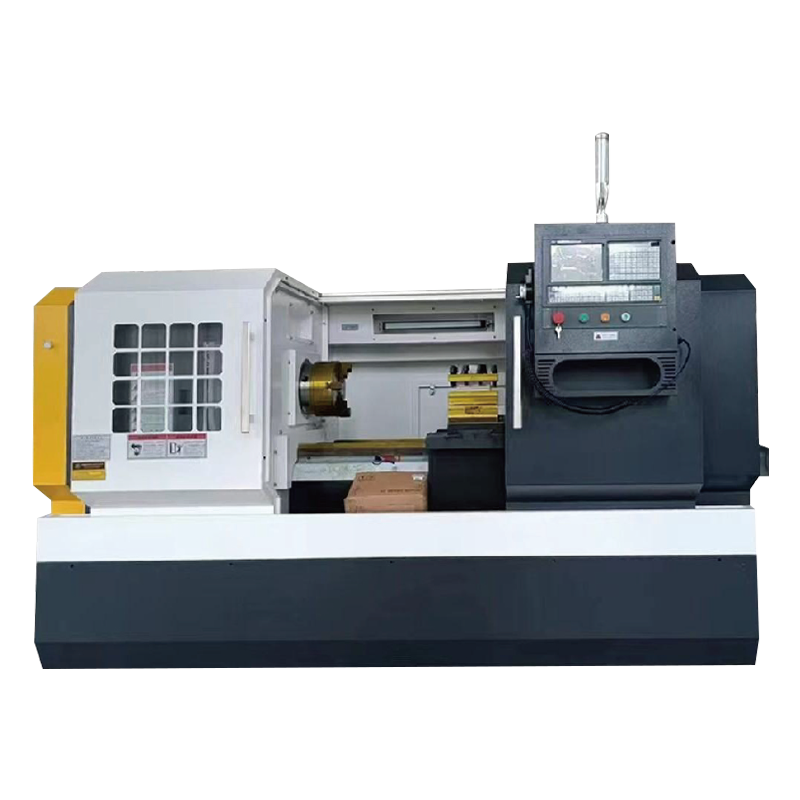
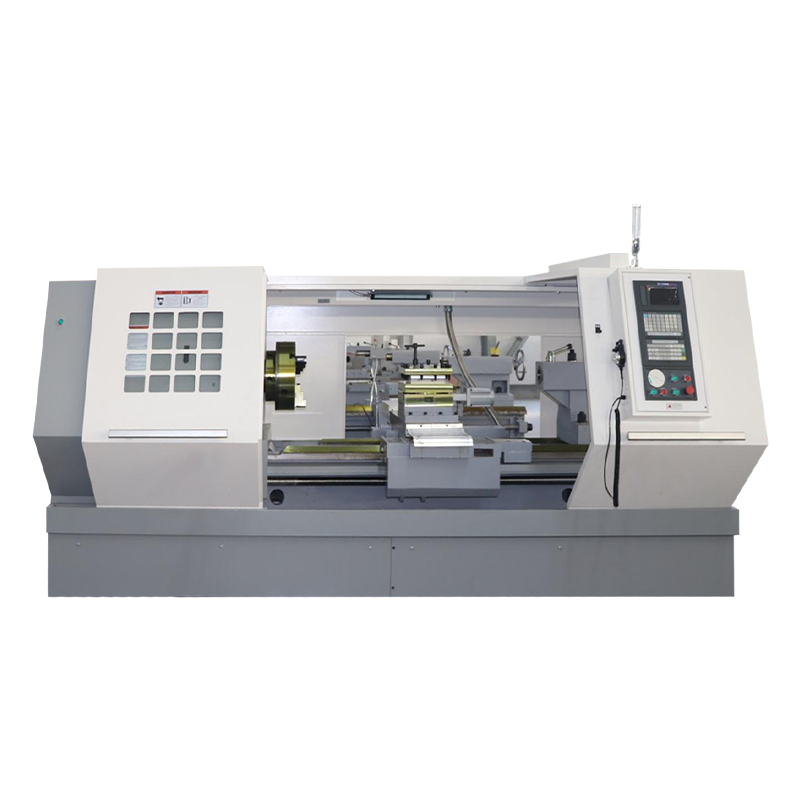
The CK and NC families look similar on a specification sheet but serve different jobs. A standard horizontal CNC lathe such as the CK6140 or CK6150 covers general turning of pins, small hubs and repair work; a turning center adds a turret with driven tools, a sub-spindle or a second spindle, and finishes both ends without releasing the datum.
Long shafts: two ends, one setup
An axle or drive shaft with a length-to-diameter ratio above 8 is a different problem. Re-clamping inverts the reference: the second end inherits the error of the first, so 0.01 mm of fixture runout becomes 0.02 to 0.03 mm of eccentricity at the far journal. The practical answers are a tailstock with adjustable pressure, a steady rest, or a dual-spindle layout where the second spindle docks onto the part and completes the opposite face while the first still holds the datum. Forged steel axles also need low-rpm torque, typically enough to take a 4 to 6 mm depth of cut without chatter.
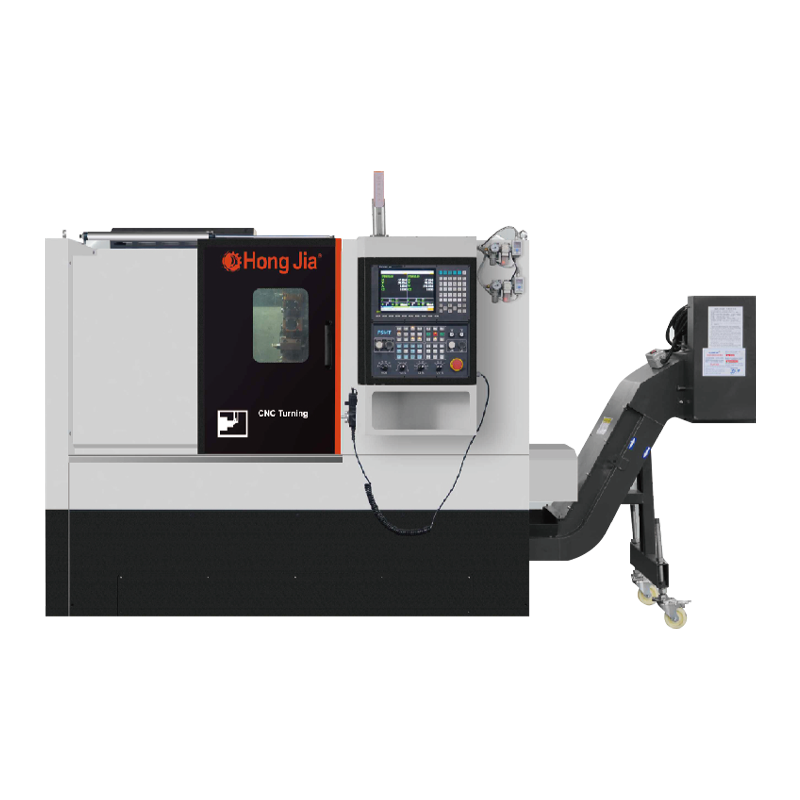
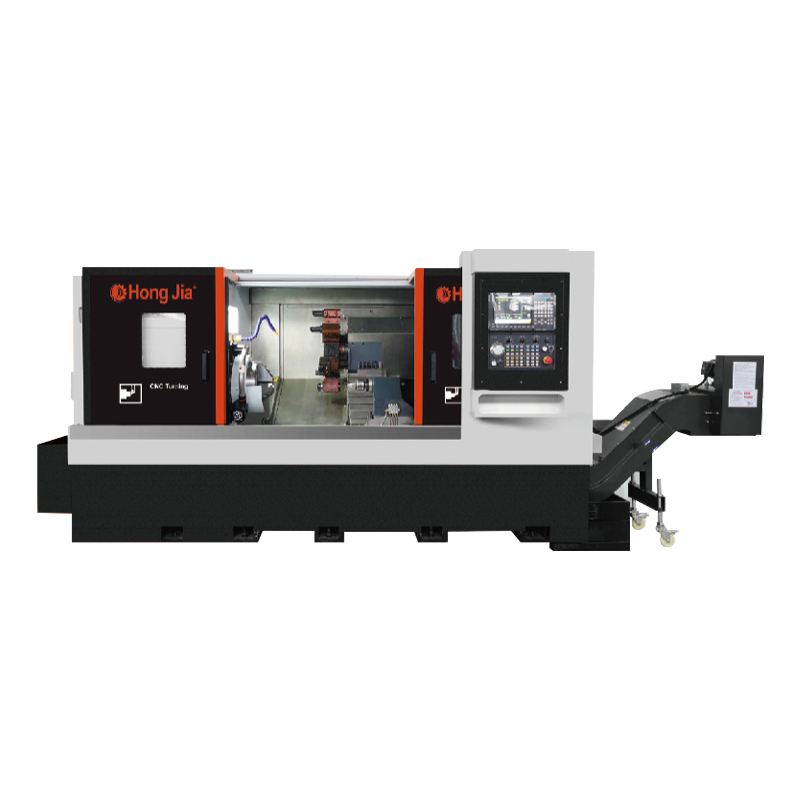
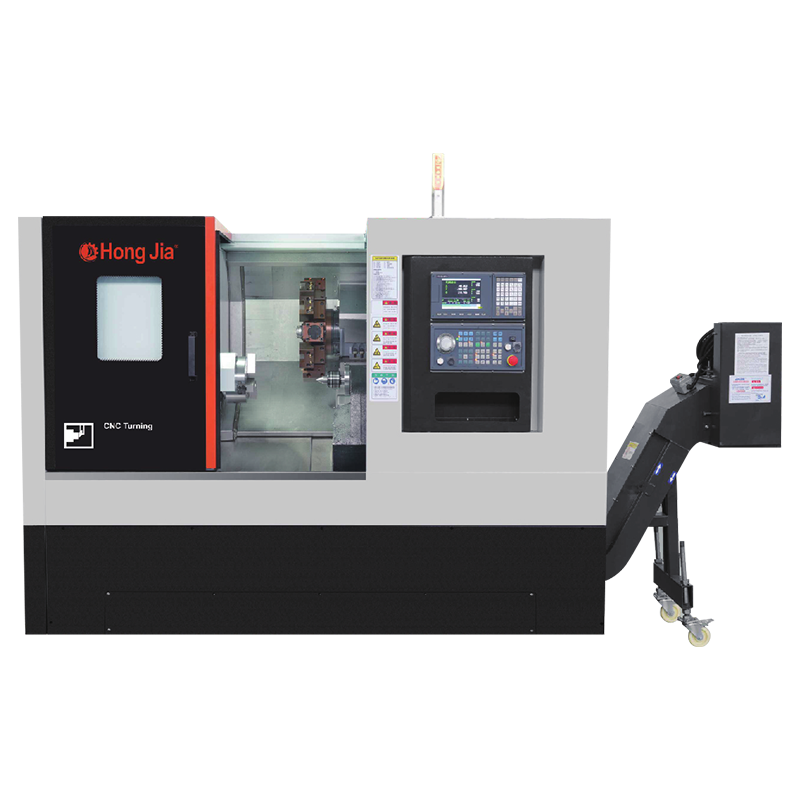
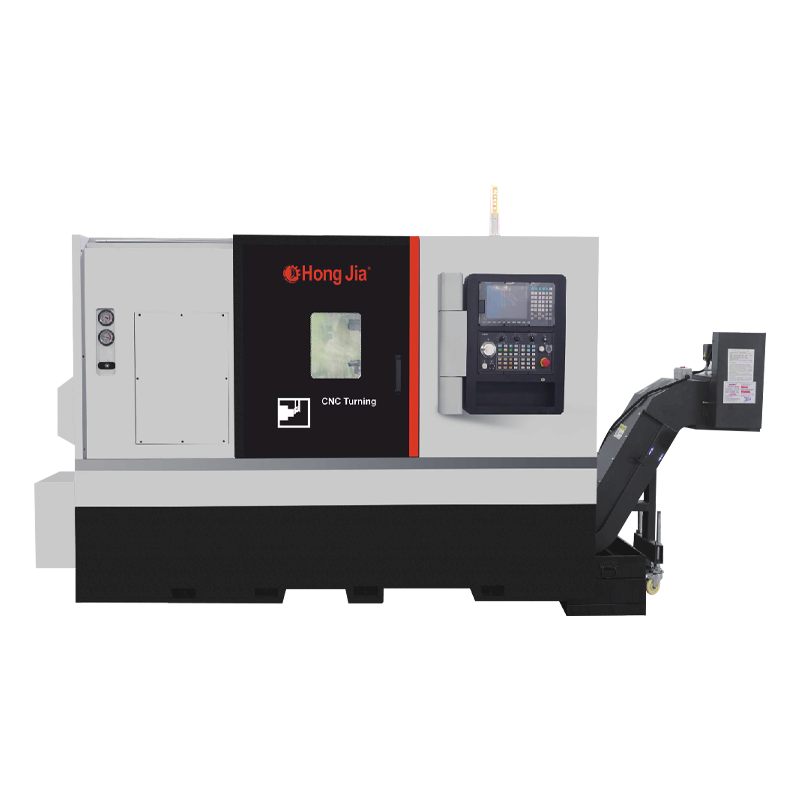
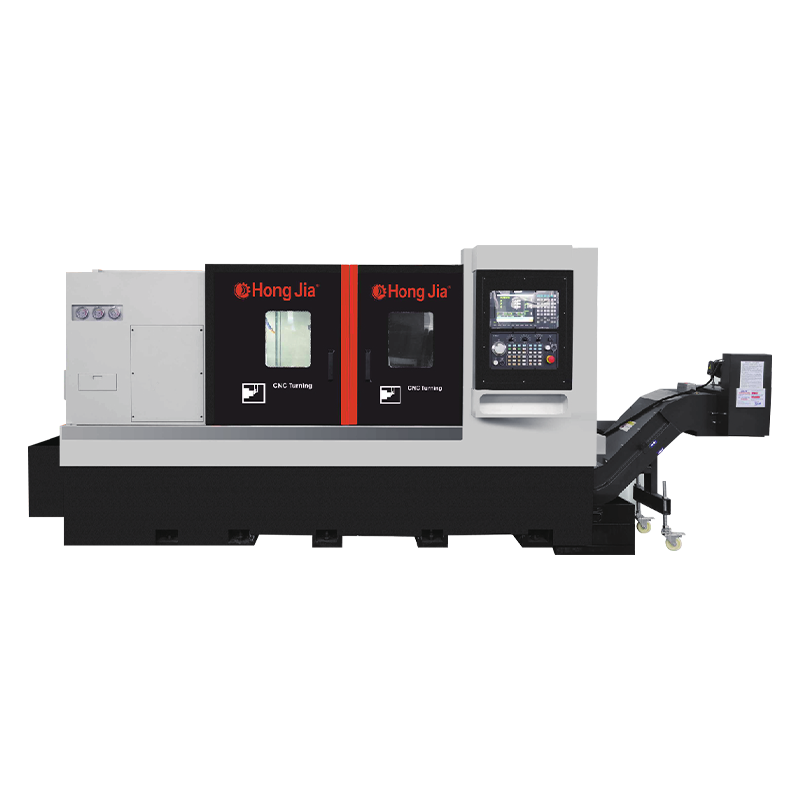
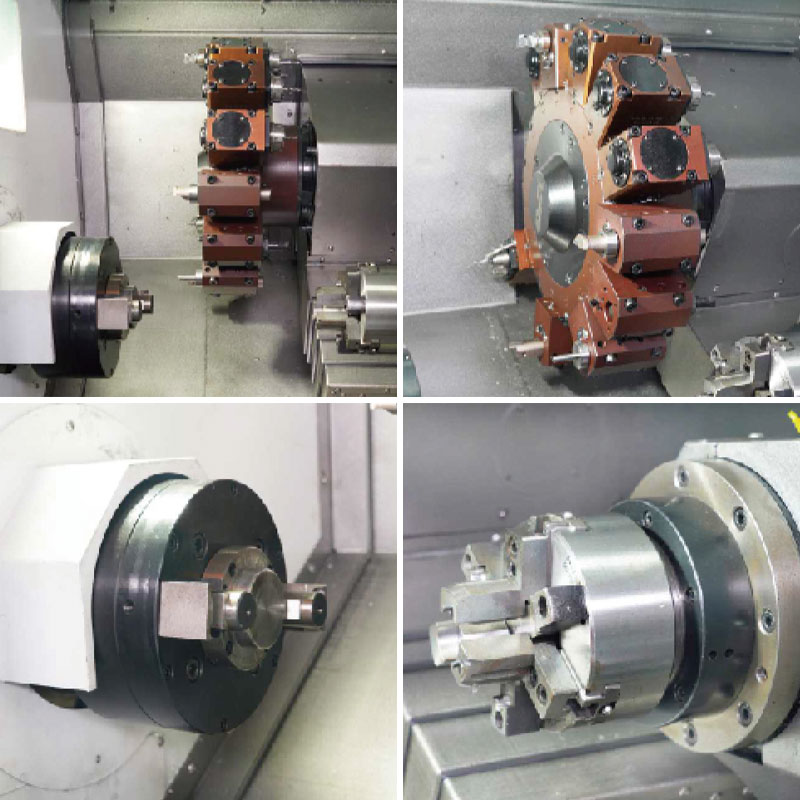 NC-106DS Dual-Spindle Automatic Docking Horizontal Turning CenterDual-spindle docking reduces reclamping errors for shaft work, while the rigid structure and 15-station turret support heavy cutting.View Product →
Discs and hubs: vertical wins above roughly 400 mm
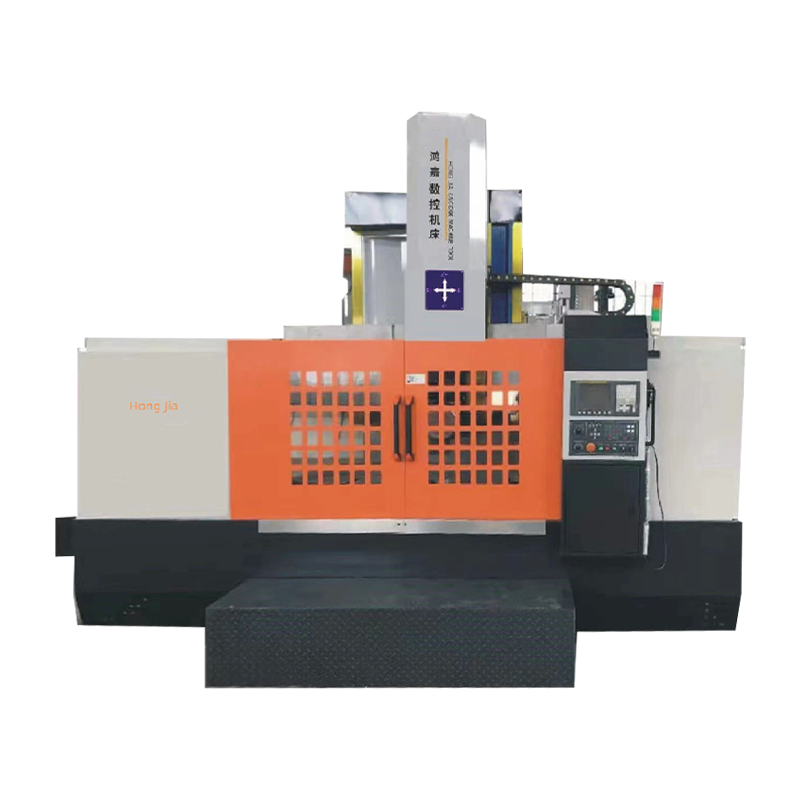
Brake discs, drums and wheel hubs are short, large in diameter and often thin-walled. On a horizontal lathe the part hangs on the chuck jaws and gravity works against jaw contact; above about 400 mm diameter, distortion and jaw marks become the dominant source of thickness variation. A single-column vertical lathe clamps the part flat on a horizontal table so cutting force and gravity act along the same axis, which is why friction parts are commonly finished this way. For brake components, the numbers to write into the purchase order are axial runout at the friction face and disc thickness variation, not just the outside diameter. A side-by-side comparison of vertical and horizontal lathes is useful when the part envelope sits near the crossover point.
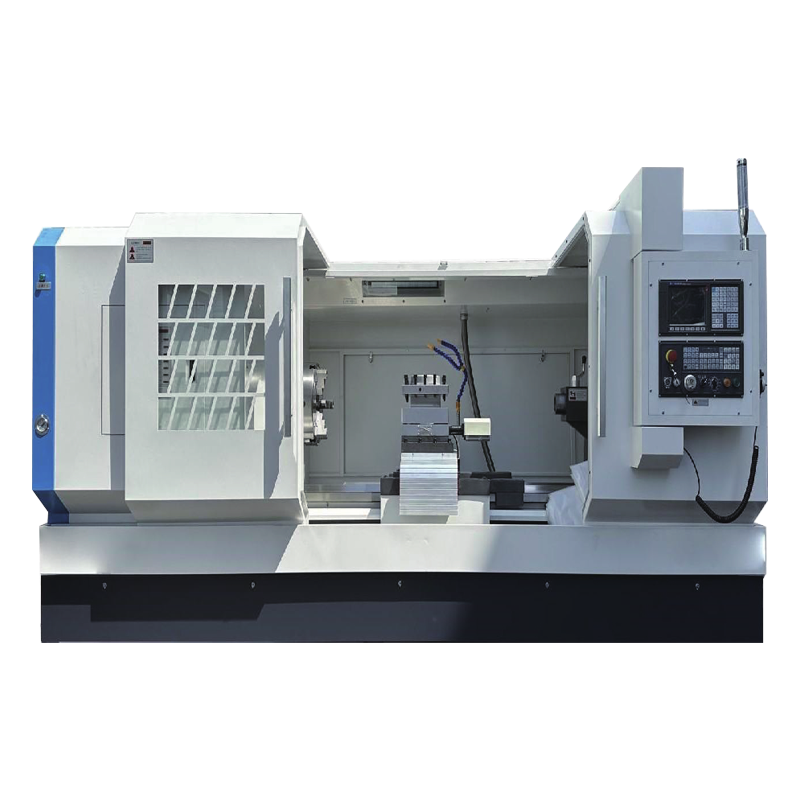
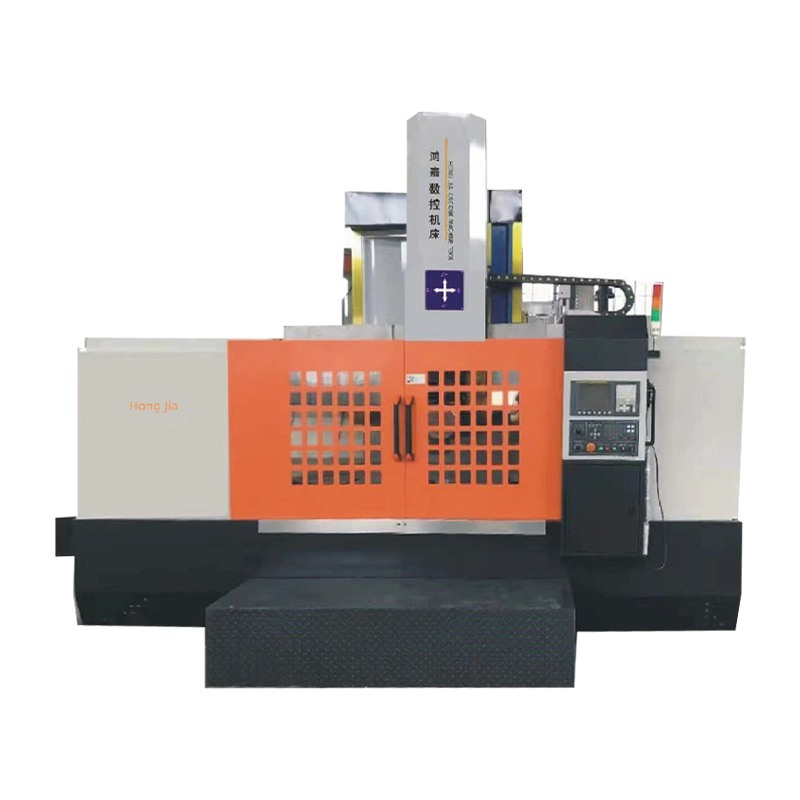 CK-5116B Siemens 808D Single-Column CNC Vertical LatheA vertical lathe with 1400 mm hydraulic chuck and 5 t workpiece capacity, suited to flat-clamped, large-diameter parts such as brake discs.View Product →
Housings and Brackets: Milling and Drilling Choices
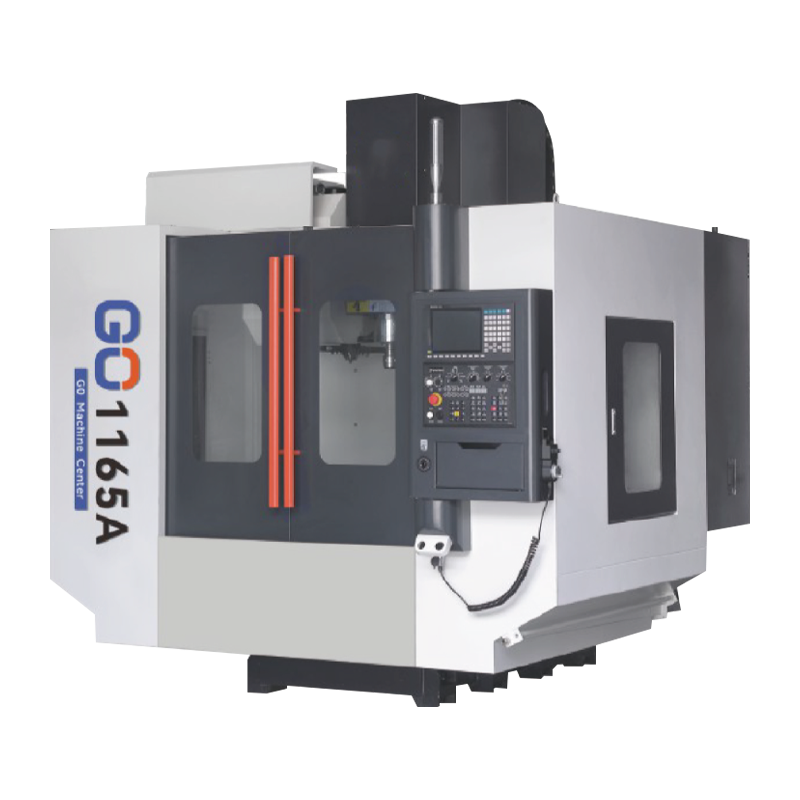
Transportation housings usually arrive as castings in grey iron, aluminium or thin-wall die casting, with dozens of holes at tight positional tolerance. Envelope and rigidity come first: a heavy-duty vertical machining centre with a box-way column is the safe choice for cast iron differential cases, while a high-speed machine with fast acceleration suits aluminium covers where the toolpath is long and the cuts are light. Wide rail, bus or chassis components often push past a standard table, and that is where a double-column layout earns its footprint.
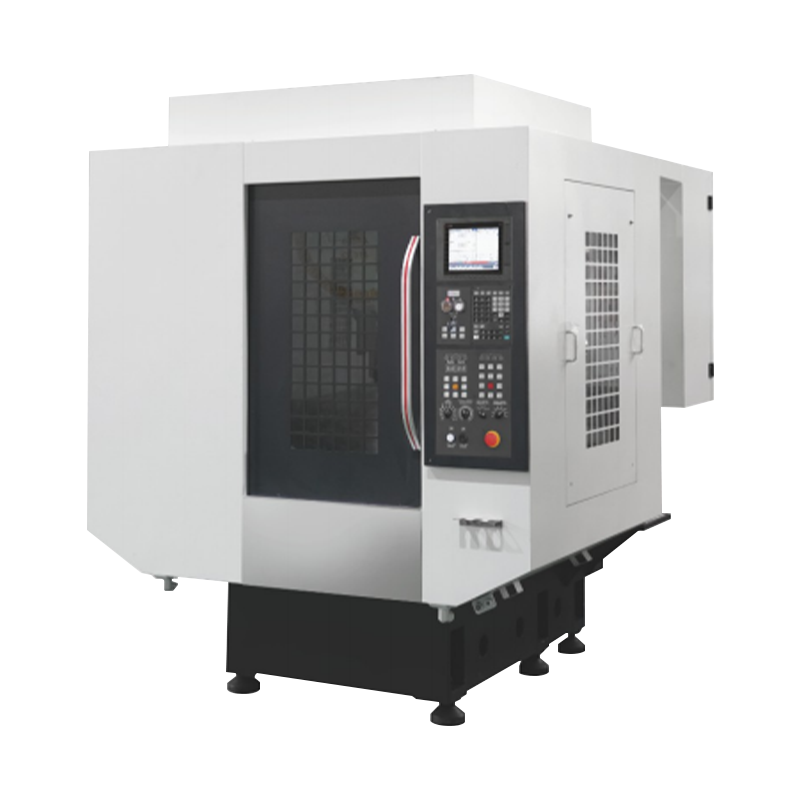
For covers, brackets and small plates with many M5 to M10 tapped holes, a dedicated drilling and tapping centre is usually faster and cheaper to run than a full machining centre: short tool change times, rigid tapping cycles and spindle through-coolant keep small taps alive in gummy aluminium. Chip evacuation deserves as much attention as spindle speed, because welded aluminium on an uncoated tap is a tool-life problem, not a parameter problem.
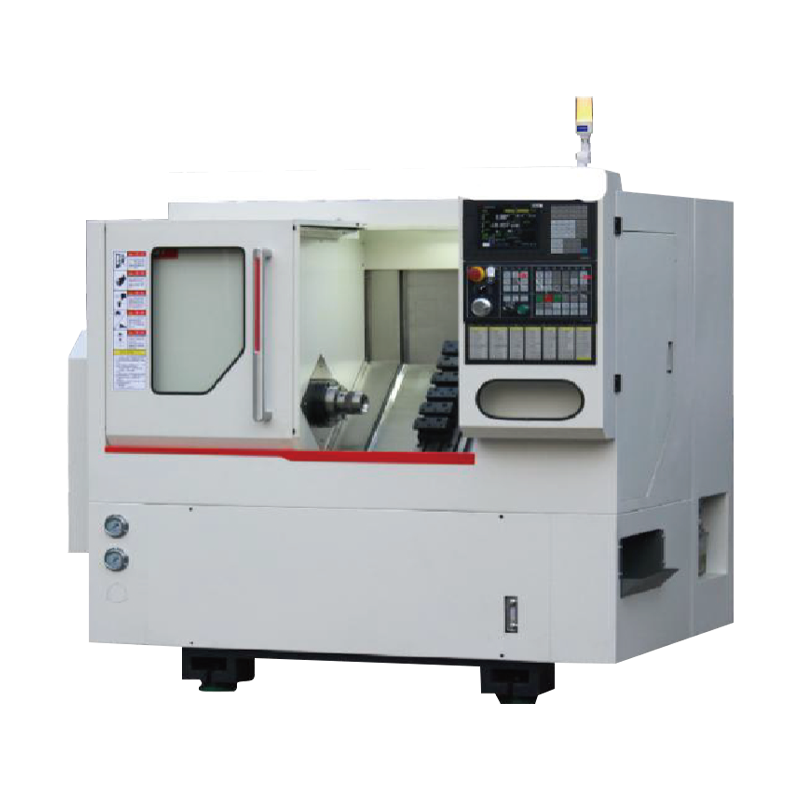
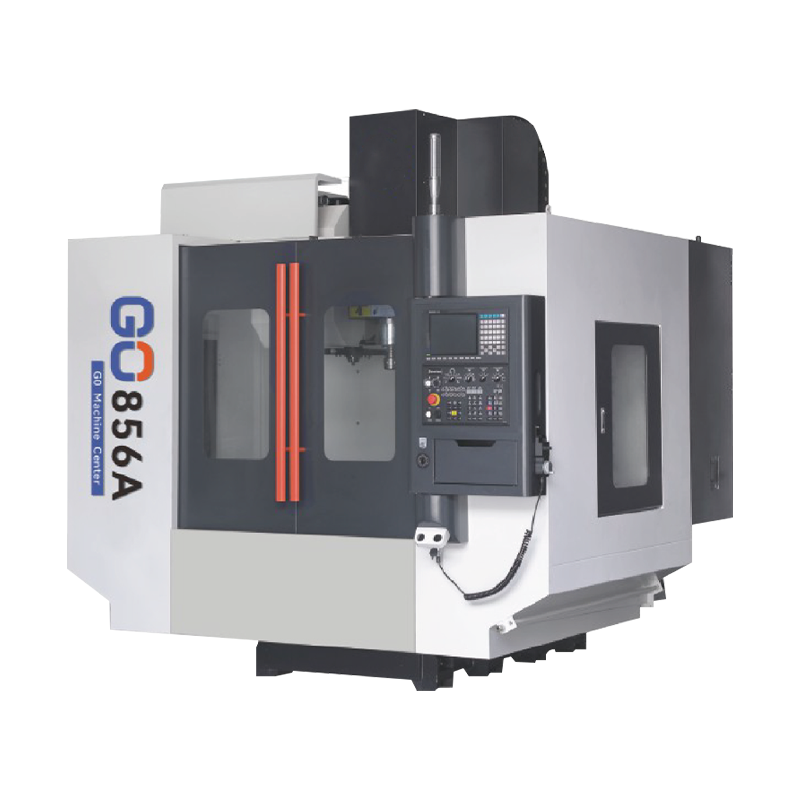 856A Heavy Duty CNC Machining CenterA box-structure machining center with 820/560/600 mm travels, 24-tool magazine and optional high-pressure coolant for stable heavy-load, high-precision work.View Product →
A Quick Selection Matrix
Use the matrix as a first filter. It lists the specification that most often eliminates a candidate machine, not the figure printed largest in the brochure.
| Machine type | Typical transport part | Spec to verify | Frequent mismatch |
|---|---|---|---|
| Horizontal CNC lathe (CK series) | Pins, small hubs, general shafts | Max turning length versus part length plus chuck and tailstock | Bed too short to keep the part between centres |
| Horizontal turning centre (NC series) | Gearbox shafts, spools, bushings | Turret stations, driven-tool rpm, bar capacity | Driven tools too slow for off-axis drilling |
| Dual-spindle turning centre | Axle shafts, two-end bored parts | Docking accuracy, spindle synchronisation | Second-operation tolerance stacks onto the first |
| Single-column vertical lathe | Brake discs, drums, hubs, flywheels | Table diameter, maximum swing, axial runout | Table too small for fixture plus part |
| Vertical machining centre | Housings, covers, brackets | Work envelope, spindle taper, positioning accuracy | Z-axis travel limits fixture height |
| Drilling and tapping centre | Covers and brackets with many small taps | Tap capacity, tool change time, chip evacuation | Chips weld to taps in aluminium |
| Radial drilling machine | Low-volume weldments and frames | Throat depth, spindle travel | Layout changes force repeated re-fixturing |
Tolerances and Acceptance: Write Capability, Not One Number
For safety-relevant transportation parts, acceptance should be written as a capability rather than a single measurement taken on a good day. The checklist below has settled more arguments than any brochure comparison:
- Dimensional band and Cpk: request Cpk of at least 1.33 on the critical journal or bore, measured over 30 consecutive parts.
- Geometric tolerance: roundness, coaxiality and perpendicularity are process signatures, so ask which gauge and which datum scheme will be used.
- Surface finish: Ra 0.8 to 1.6 µm on bearing journals; a machine that holds size but tears the surface will fail in fatigue.
- Clamping distortion test: measure the part clamped and released, and treat any difference above 0.01 mm as a fixture or jaw-pressure question.
- Thermal drift: record the first and the fiftieth part of a continuous run; a growing trend means warm-up cycles or a cooling margin are needed.
- Material and hardness: castings vary between batches, and hardness moves both tool life and finished dimension.
- Traceability: serial-marked sample parts, backed-up programs and a record of control parameters as shipped.
- Documentation: a Siemens 808D or comparable control needs a parameter backup on day one, not after the first fault.
Supplier Questions, Lead Time and Real Cost
Quotation reviews tend to focus on machine price, while the larger number in transport work is usually the cost of an unstable process in the first two years. Three questions separate a workable offer from a cheap one.
How is the acceptance part defined? A builder that accepts the customer's own drawing, material and gauge as the acceptance standard moves the discussion onto measurable results. The manufacturer's background is worth reading for this reason: years in metal-cutting equipment, annual output and the size of the installed customer base tell you whether the fixture and process engineering exists in-house.
Who commissions and trains? Installation, leveling, geometric alignment and operator training are where a lathe either becomes a production asset or a maintenance item. Ask for the commissioning scope in writing, including the test cut part and the report that travels with it.
What is the spares path? Turret indexes, chuck jaws, tailstock centres and control modules all wear. A response commitment measured in days, plus a recommended first-year spares list, is worth more than a longer warranty with no local support.
The working order is simple: identify the part family, choose the machine architecture that suits that geometry, then write capability, commissioning and spares into the contract. Transportation buyers rarely regret spending an extra week on that sequence, and they almost always regret skipping it.
