
 English
 中文简体
中文简体 русский
 Español
 عربى
عربى
Don't hesitate to contact when you need us!
CNC Turning And Milling Machines: Which Type Fits Your Job
 2026.07.15
 Industry News
Content
- 1 Choosing the Right CNC Turning and Milling Machine
- 2 What CNC Turning and Milling Machining Actually Combines
- 3 Comparing the Five Common CNC Turning-Milling Machine Types
- 4 Horizontal CNC Turning And Milling Series: The General-Purpose Baseline
- 5 High-Speed Precision Turning And Milling Machine: Built for Tolerance-Critical Parts
- 6 High-Speed Electric Spindle Turning And Milling Machine: Speed Without the Belt
- 7 Dual-Spindle Turning And Milling Machine: Machining Both Ends in One Setup
- 8 Dual-Spindle Joint Turning And Milling Machine: Synchronized for Complex Production
- 9 How to Match a Machine Type to Your Production Needs
- 10 Industries That Rely on These Machine Types
- 11 Frequently Asked Questions
- 12 Sourcing CNC Turning and Milling Machines
Choosing the Right CNC Turning and Milling Machine
For most precision parts that need turning, milling, drilling, and threading in one setup, a dual-spindle CNC turning and milling machine delivers the best balance of speed and accuracy, while single-spindle horizontal or high-speed electric spindle machines remain the more cost-effective choice for simpler geometries. The right selection depends on part complexity, batch size, tolerance requirements, and whether two ends of a workpiece need machining without manual repositioning.
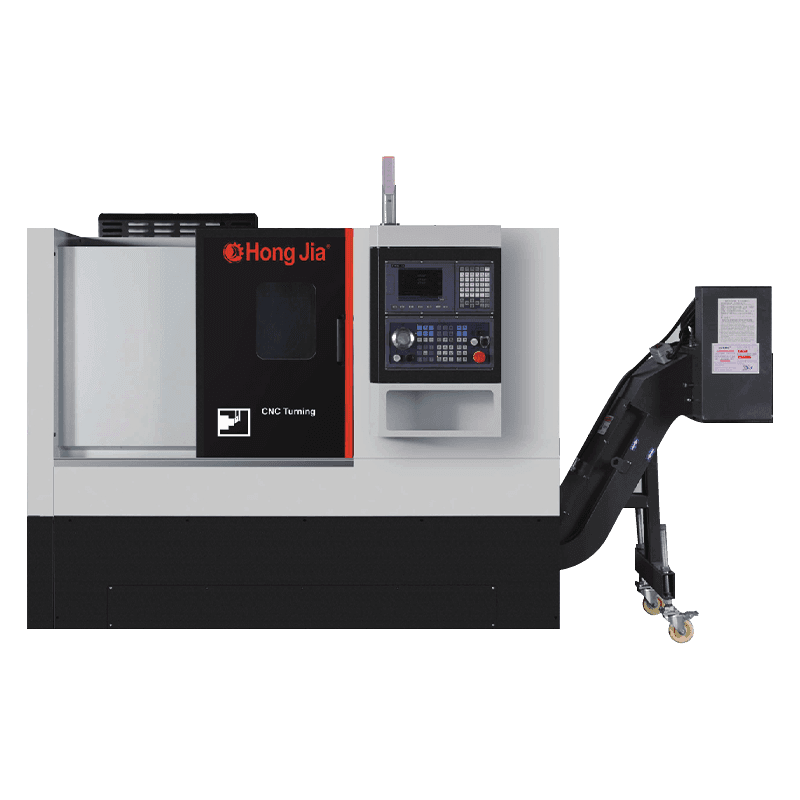
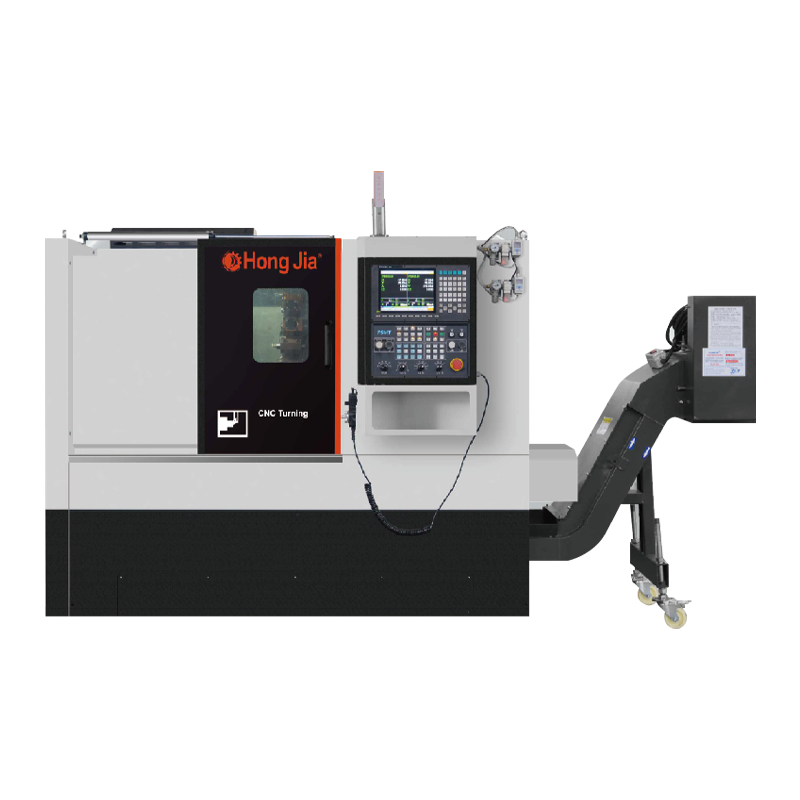
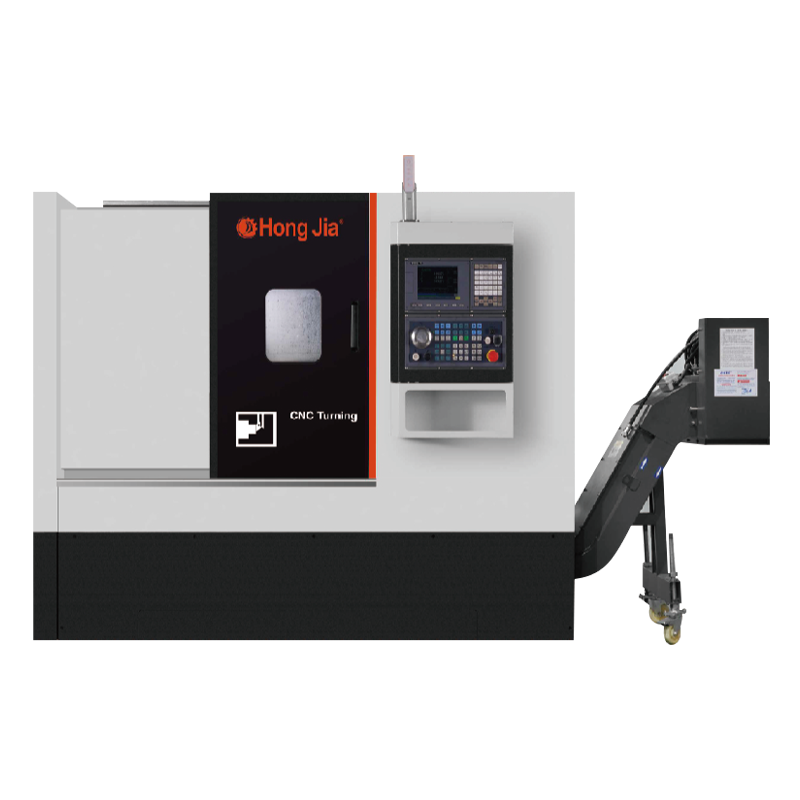
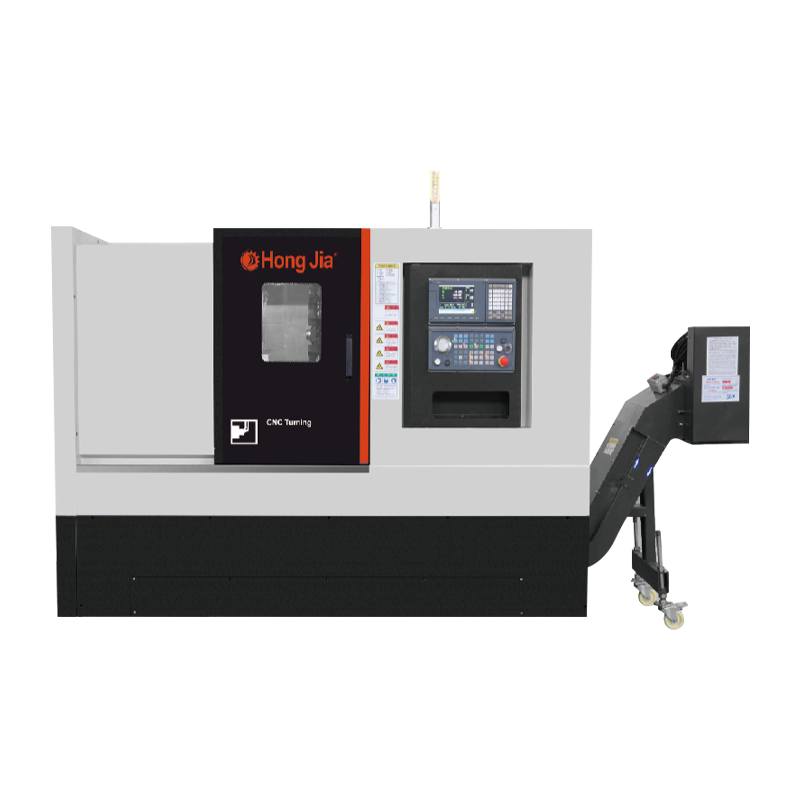
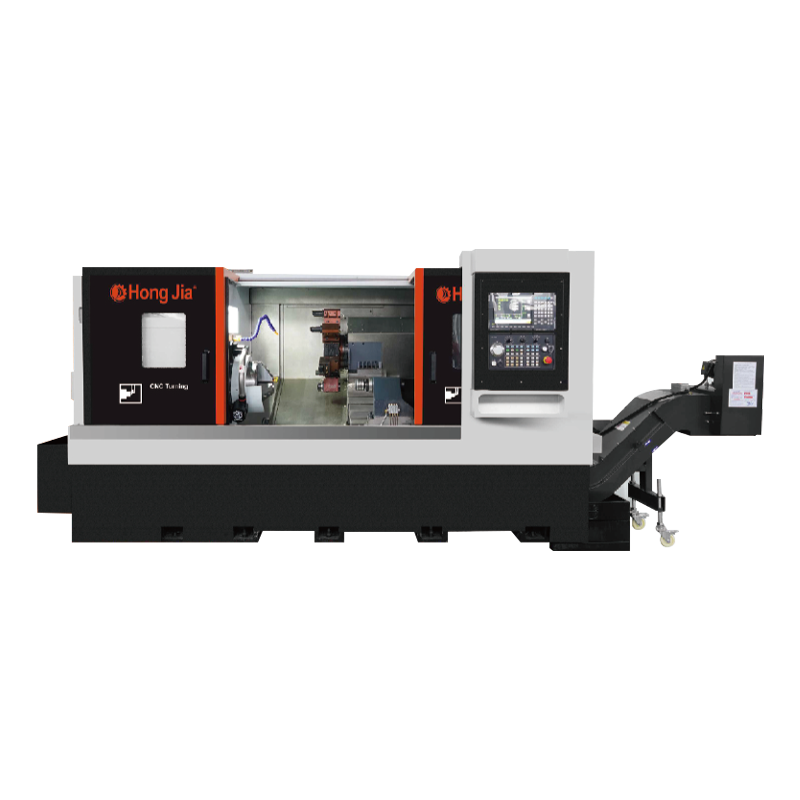
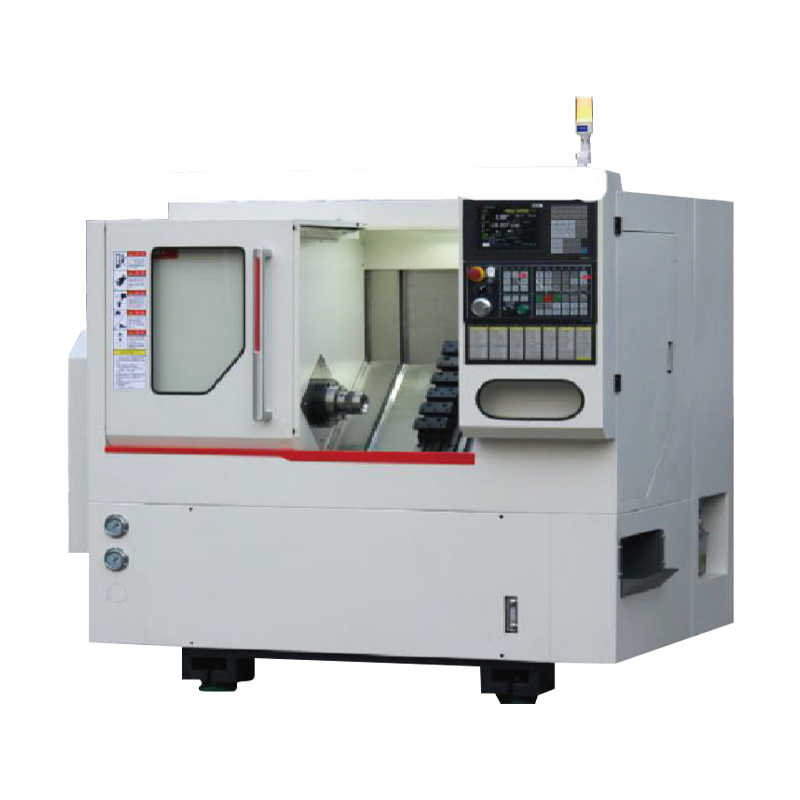
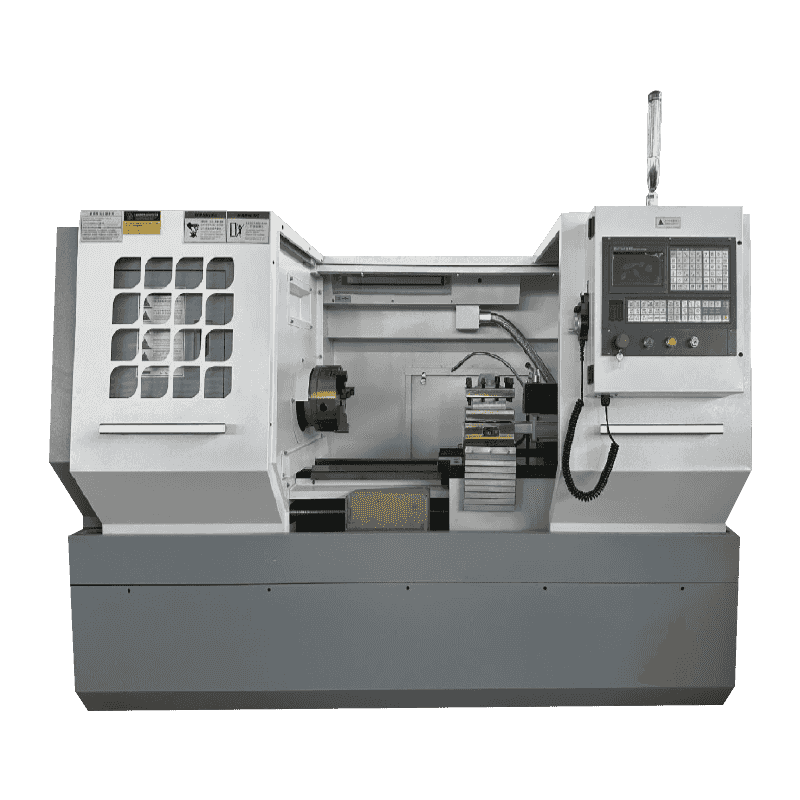
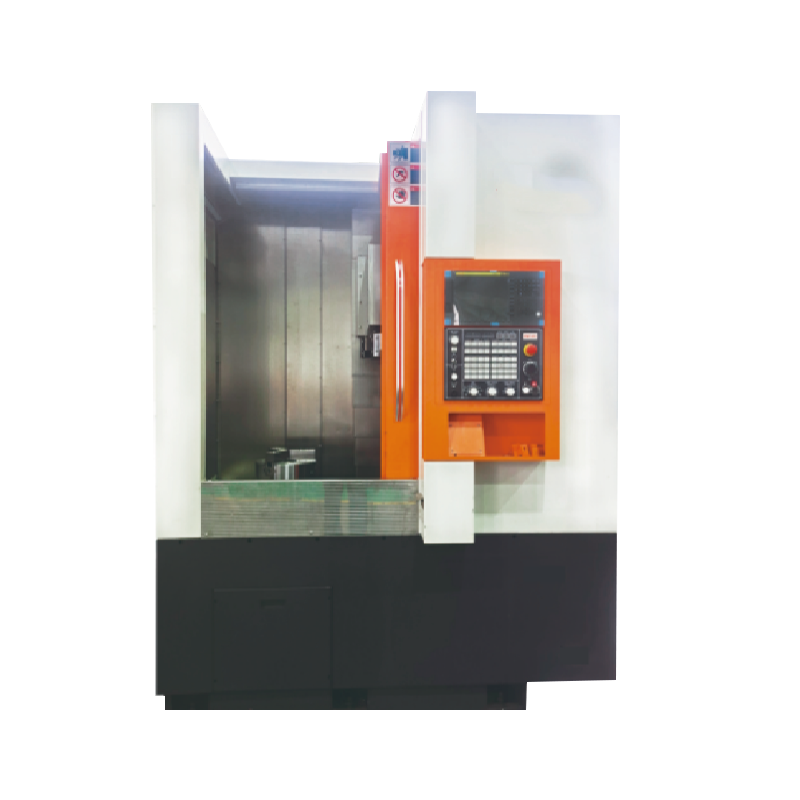
This guide breaks down five common CNC turning and milling machine types — Horizontal CNC Turning And Milling Series, High-Speed Precision Turning And Milling Machine, High-Speed Electric Spindle Turning And Milling Machine, Dual-Spindle Turning And Milling Machine, and Dual-Spindle Joint Turning And Milling Machine — so you can match machine architecture to your actual production needs.
What CNC Turning and Milling Machining Actually Combines
CNC turning and milling machining merges two traditionally separate processes into a single machine tool: turning, where the workpiece rotates against a stationary cutting tool, and milling, where a rotating tool cuts a stationary or indexed workpiece. Combining both on one platform, often with live tooling or a secondary spindle, eliminates the need to move a part between a lathe and a milling center. This reduces repositioning error and can cut total cycle time significantly compared with processing the same part on two separate machines.
Comparing the Five Common CNC Turning-Milling Machine Types
| Machine Type | Spindle Configuration | Key Strength | Best Suited For |
|---|---|---|---|
| Horizontal CNC Turning And Milling Series | Single horizontal spindle | Stable base for general-purpose turning and milling | Entry to mid-level batch production |
| High-Speed Precision Turning And Milling Machine | Single spindle, precision bearings | Tight tolerances, fine surface finish | Small precision components |
| High-Speed Electric Spindle Turning And Milling Machine | Built-in electric spindle | High rotational speed, low vibration | Complex contours, fine milling detail |
| Dual-Spindle Turning And Milling Machine | Two independent spindles | Simultaneous or sequential dual-end machining | Double-ended parts, higher throughput |
| Dual-Spindle Joint Turning And Milling Machine | Two synchronized spindles, joint channel control | Coordinated part hand-off and synchronized machining | High-volume, complex multi-operation parts |
Horizontal CNC Turning And Milling Series: The General-Purpose Baseline
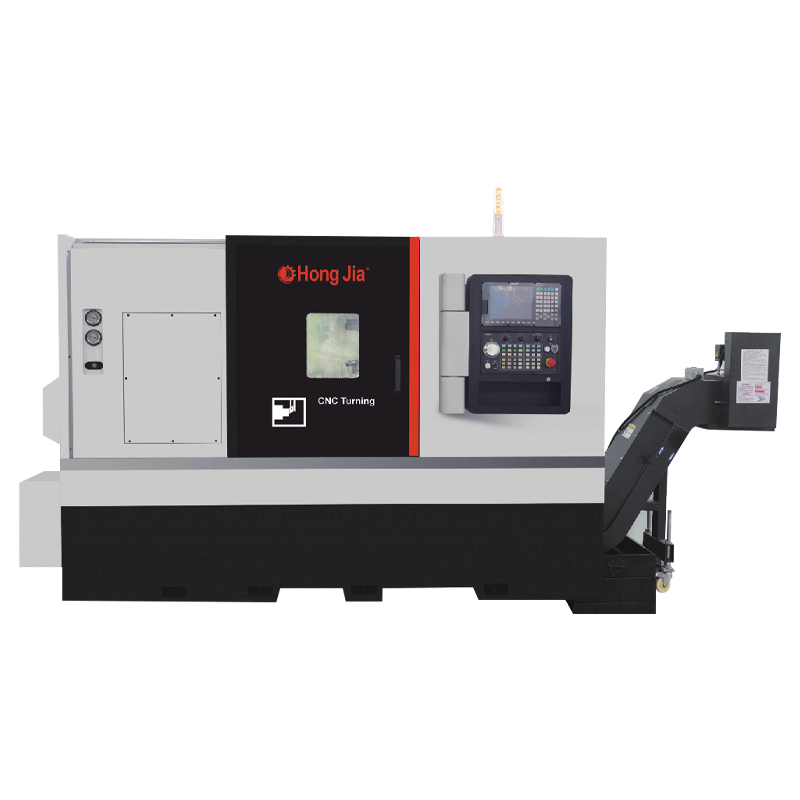
The Horizontal CNC Turning And Milling Series arranges the spindle axis parallel to the ground, which improves chip evacuation and keeps swarf away from precision guideways. This layout supports a wide range of materials, including brass, aluminum, steel, and stainless steel, and works well for shops that need dependable turning, facing, drilling, and light milling without the added cost of a second spindle or high-speed electric spindle package.
High-Speed Precision Turning And Milling Machine: Built for Tolerance-Critical Parts
A High-Speed Precision Turning And Milling Machine focuses on rigidity and spindle accuracy rather than raw speed alone. Higher-grade bearings, better thermal stability, and tighter linear guide tolerances allow this machine type to hold consistent dimensional accuracy across long production runs, which matters most for parts feeding into assemblies with tight fit-and-function tolerances, such as connectors, small shafts, and precision fittings.
High-Speed Electric Spindle Turning And Milling Machine: Speed Without the Belt
Unlike a mechanical spindle that relies on a motor, gears, and belts or couplings to transmit rotation, a High-Speed Electric Spindle Turning And Milling Machine integrates the motor directly inside the spindle housing. This built-in design removes mechanical transmission losses and allows sustained spindle speeds that mechanical spindles struggle to reach efficiently, in some designs reaching well beyond 20,000 RPM. The result is smoother rotation, lower vibration, and better surface finish, especially useful when milling complex contours or fine detail directly on a turned part.
Dual-Spindle Turning And Milling Machine: Machining Both Ends in One Setup
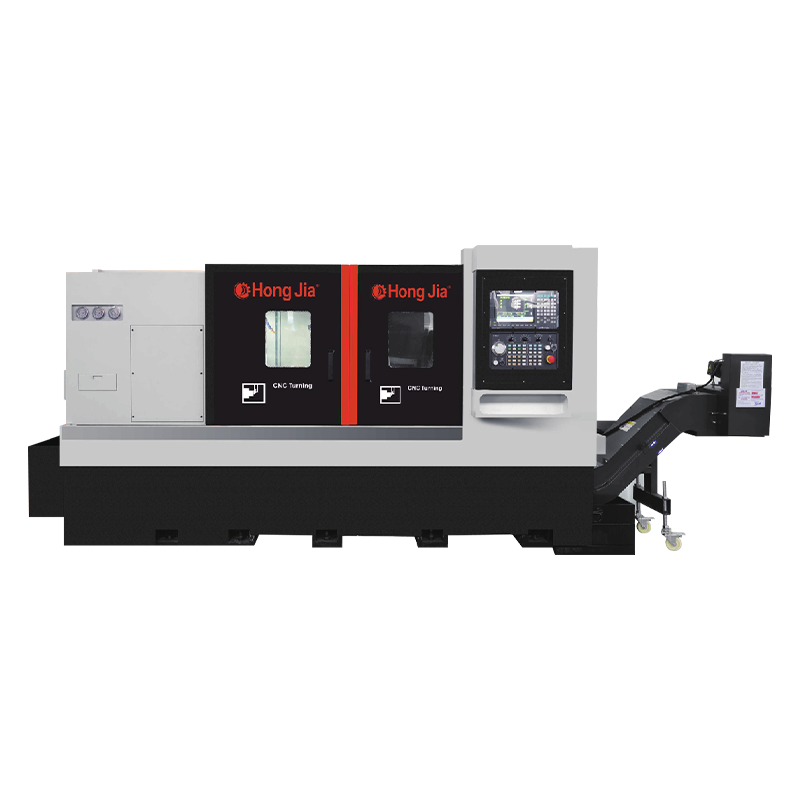
A Dual-Spindle Turning And Milling Machine adds a second spindle so a part's opposite end can be machined without unclamping and repositioning it on a separate machine. This directly addresses one of the biggest sources of dimensional error in multi-operation parts: the loss of accuracy that occurs every time a workpiece is removed and reclamped. Shops that adopt dual-spindle machines for double-ended parts commonly report cycle times cut by roughly half compared with running the same part across two single-spindle machines.
Dual-Spindle Joint Turning And Milling Machine: Synchronized for Complex Production
The Dual-Spindle Joint Turning And Milling Machine goes a step further than a standard dual-spindle setup by synchronizing both spindles through a coordinated control channel. This allows a part to be started on the main spindle, handed off to the secondary spindle mid-cycle, and finished with milling, drilling, or tapping operations, all without operator intervention. This configuration suits higher-volume production of complex parts where consistent, repeatable hand-off timing between spindles determines overall throughput.
How to Match a Machine Type to Your Production Needs
- Identify whether your part requires machining on both ends; if so, prioritize dual-spindle or dual-spindle joint configurations over single-spindle machines.
- Check tolerance requirements: parts needing very tight, repeatable tolerances benefit from high-speed precision or electric spindle designs.
- Estimate batch size — high-volume runs justify the added cost of dual-spindle joint machines, while low to mid volume work often suits a horizontal series machine.
- Consider material and finish needs; electric spindle machines are worth the investment when fine milling detail or complex contour work is part of the job.
- Confirm floor space and automation compatibility, since dual-spindle designs can reduce footprint compared with running two separate single-spindle machines.
Industries That Rely on These Machine Types
- Automotive components requiring double-ended shafts, connectors, and fittings
- Medical and precision hardware needing tight tolerance turning and fine milling
- Electronics connectors and small precision metal parts
- General metalworking shops producing brass, aluminum, and stainless steel components in batch quantities
Frequently Asked Questions
Q1: Is a dual-spindle machine always better than a single-spindle machine?
Not necessarily. Dual-spindle machines add value mainly for double-ended parts or high-volume production. For simple, single-end parts in smaller batches, a Horizontal CNC Turning And Milling Series machine is often more cost-effective.
Q2: What is the practical benefit of an electric spindle over a mechanical spindle?
An electric spindle removes the belt or gear transmission between motor and spindle, allowing higher sustained speeds with less vibration, which improves both cutting precision and tool life on fine milling operations.
Q3: What separates a Dual-Spindle Joint machine from a standard Dual-Spindle machine?
A Dual-Spindle Joint Turning And Milling Machine synchronizes both spindles through a coordinated control channel, enabling automatic mid-cycle part hand-off, while a standard dual-spindle machine may run each spindle more independently.
Sourcing CNC Turning and Milling Machines
Smartlathe designs and manufactures a full range of CNC turning and milling machines, including the Horizontal CNC Turning And Milling Series, High-Speed Precision Turning And Milling Machine, High-Speed Electric Spindle Turning And Milling Machine, Dual-Spindle Turning And Milling Machine, and Dual-Spindle Joint Turning And Milling Machine. Established with a focus on slant bed CNC lathes and dual-spindle turning-milling systems, the company also provides automation options such as truss manipulators and robotic arm loading, along with model selection support based on customer part drawings and material specifications.
