
 English
 中文简体
 русский
 Español
 عربى
Don't hesitate to contact when you need us!
 Home / News / Industry News / Precision Machining for Medical Devices: Equipment, Materials, and Quality Standards
Precision Machining for Medical Devices: Equipment, Materials, and Quality Standards
 2026.10.28
 Industry News
Every medical component quote contains a moment of judgment. A bone screw drawing shows thread pitch, head diameter, and a tolerance band of a few microns. The supplier has to decide whether the process can hold it, not just once, but for every part in the lot. That decision is where precision machining for medical devices really begins. It determines the machine, the tool path, the coolant strategy, the measurement method, and the documentation trail.
Content
- 1 What Counts as Precision Machining for Medical Devices
- 2 Materials Shape Both the Part and the Machine Choice
- 3 Turning Operations That Define Implant and Instrument Quality
- 4 Milling and Drilling for Complex Geometries and Hole Patterns
- 5 Quality Systems and Process Control That Protect Patients
- 6 Choosing a Partner for Precision Medical Manufacturing
What Counts as Precision Machining for Medical Devices
Precision machining for medical devices is a controlled manufacturing process in which CNC equipment produces components with dimensions, surface quality, and material integrity that are repeatable enough to pass regulatory scrutiny and function safely in the human body. In practice, that means several requirements that go beyond a basic machine specification.
- Critical dimensions commonly need tolerance bands from ±0.005 mm to ±0.013 mm.
- Surface finish requirements may call for Ra 0.4 µm or lower on implant surfaces.
- Edges must be burr-free, with no smeared material that could hide cracks or contamination.
- Material identity and production records must remain traceable from bar stock to finished device.
These requirements are not separate. A poorly rigid machine can allow chatter, which damages surface finish. A thermally unstable spindle can cause drift over a long production run, which breaks repeatability. The practical result is that medical-device machining is only as good as the machine platform, the tooling strategy, and the process design.
| Device Category | Typical Components | Machining Emphasis |
|---|---|---|
| Implant-grade parts | Bone screws, spinal cages, acetabular shells | Tight diameters, thread forms, Ra 0.4 µm or lower |
| Surgical instruments | Graspers, scissors, handles, trocars | Burr-free edges, repeatable fits, corrosion-resistant finish |
| Diagnostic and wearable housings | Enclosures, connectors, sensor bodies | Thin walls, precise hole positions, fine exterior surfaces |
Materials Shape Both the Part and the Machine Choice
The material list for medical devices splits into two broad groups: biocompatible metals and high-performance polymers. Each group places different stress on the machine tool and cutting tool.
Biocompatible Metals
Stainless steel, titanium alloys, and cobalt-chrome are common for implants, fixation devices, and surgical instruments. Titanium is strong and corrosion-resistant, but it also has poor thermal conductivity and a strong tendency to work-harden. That requires stable spindle torque, rigid tool holding, and a disciplined coolant strategy.
Medical Polymers
PEEK, PEI, and other engineering polymers appear in spinal interbody devices, instrument handles, and radiolucent components. Machining polymers demands sharp geometry, controlled heat, and clean chip evacuation to avoid melting or tearing the material. A machine that produces a good steel part does not automatically produce a good PEEK part.
When you select equipment, the question is not just whether the machine can cut these materials. The question is whether the spindle, coolant delivery, chip management, and axis rigidity can hold the required tolerance across a full production shift.
Turning Operations That Define Implant and Instrument Quality
Many orthopedic components start as bar or rod stock. Bone screws, peg inserts, driver shafts, trial instruments, and thread-forming components all have cylindrical features that are most efficiently produced by turning. In these jobs, the decision is not simply feed rate. It is whether the spindle, turret, and tool path can maintain a stable cut depth in hardened or work-hardening alloys.
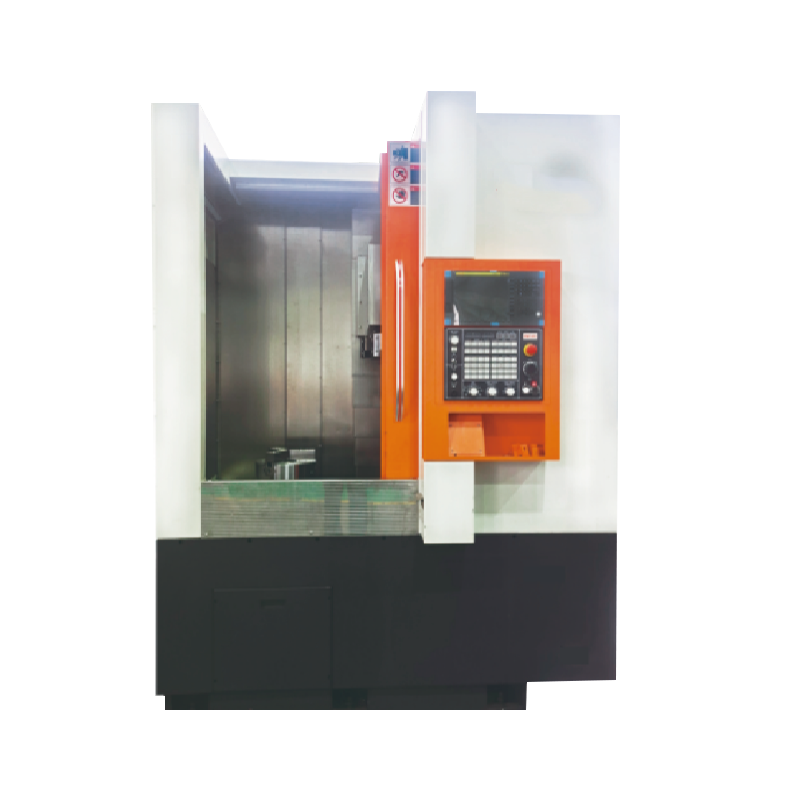
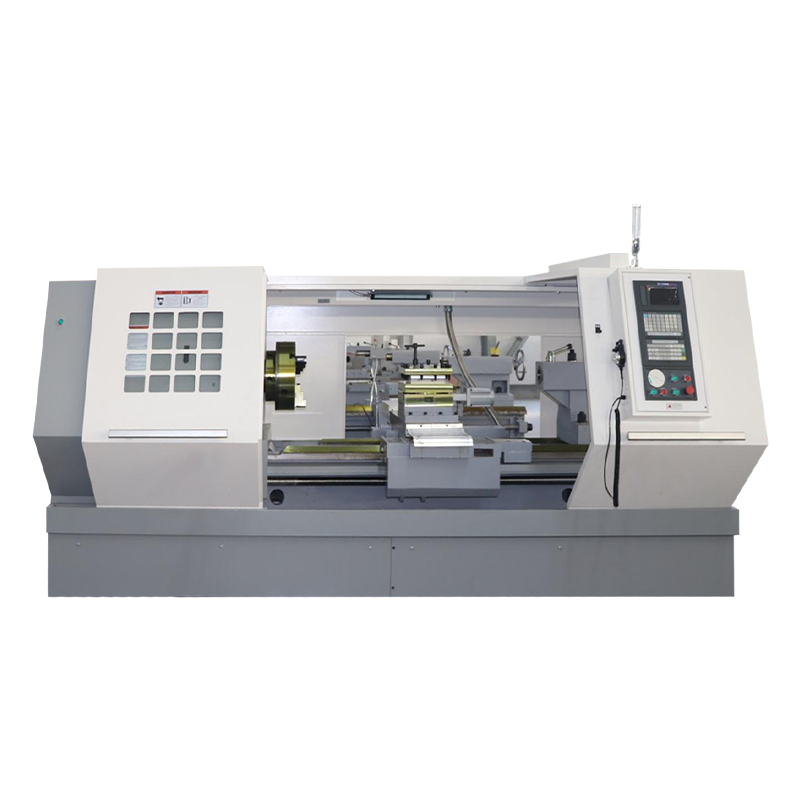
Shops that need a mechanically stable platform for this type of work often start with a precision turning center designed for low vibration and good thermal behavior. The machine has to hold a repeatable relationship between the spindle, the tool tip, and the finished diameter over long cycles. Once that basic relationship is stable, the rest of the process can be optimized around tooling, coolant pressure, and in-process measurement.
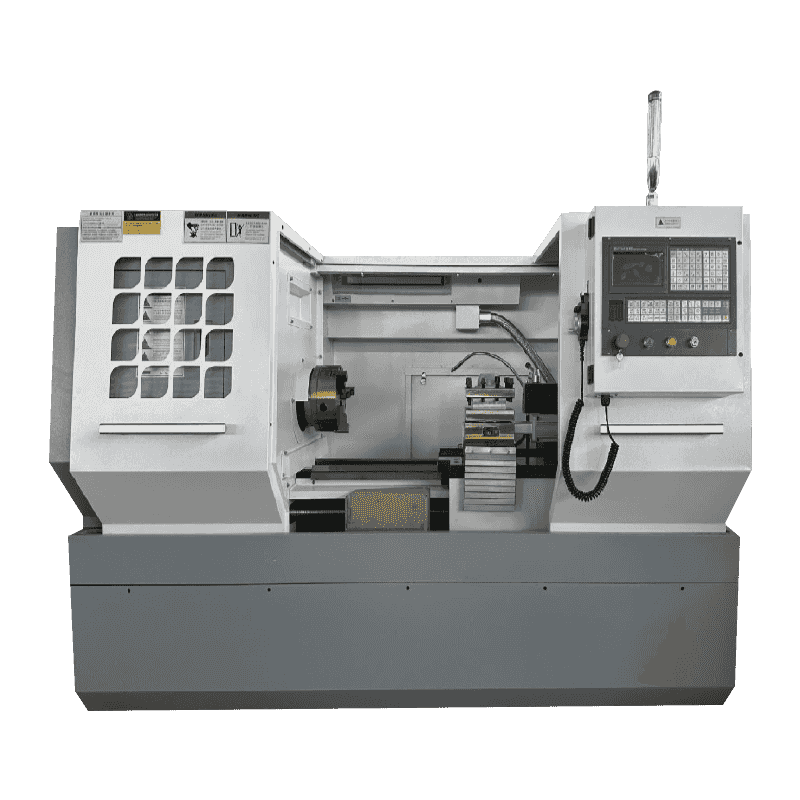
 NC110 Precision Mechanical Spindle Horizontal Turning CenterDesigned for stable small cylindrical turning, this center combines a hydraulic three-jaw chuck and built-in high-speed spindle with a rigid structure for repeatable precision and efficient cutting.View Product →
For small cylindrical parts, the turning center is often the highest-risk operation in the entire process. If turning is unstable, no amount of downstream milling correction can restore the tolerance.
Milling and Drilling for Complex Geometries and Hole Patterns
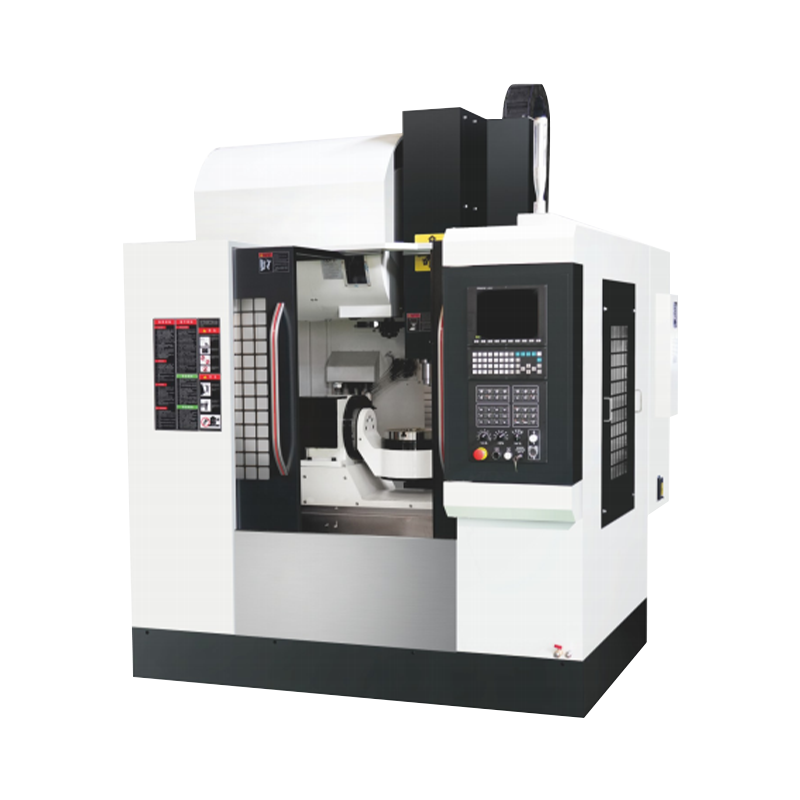
Surgical instrument housings, drill guides, bone cutting guides, and diagnostic enclosures often contain milled pockets, thin webs, and multiple hole positions. A single setup on a capable machining center is usually safer than moving a part through several manual machine stages.
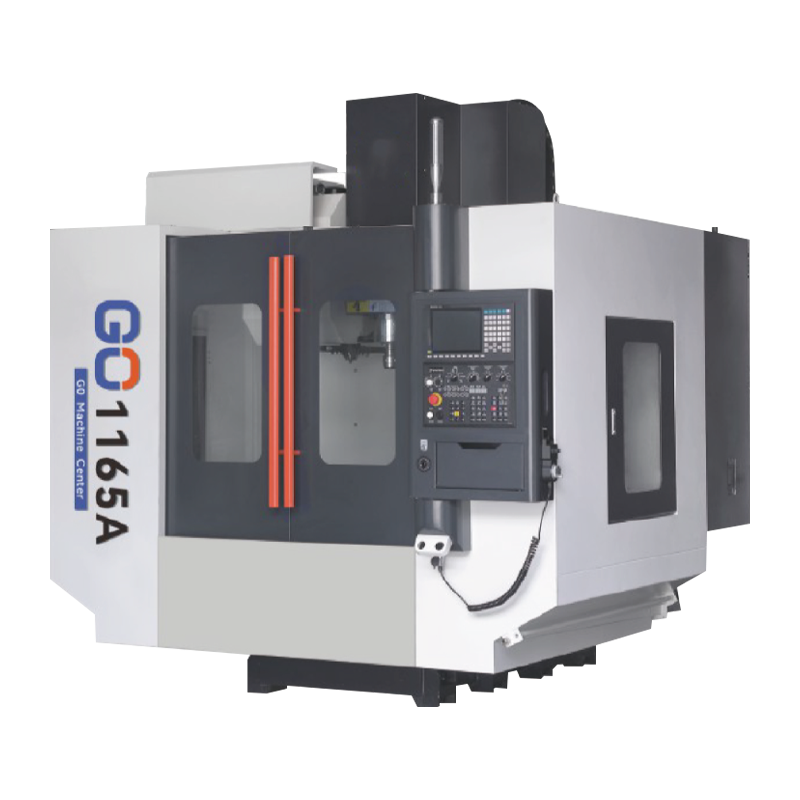
For medical-device work, a machining center needs more than axis speed. It needs predictable rigidity, good chip evacuation, and enough program capability to handle fine finishing passes and tight positional tolerances. High-speed drilling and tapping operations also place heavy demand on synchronized axis movement and tool-change repeatability.
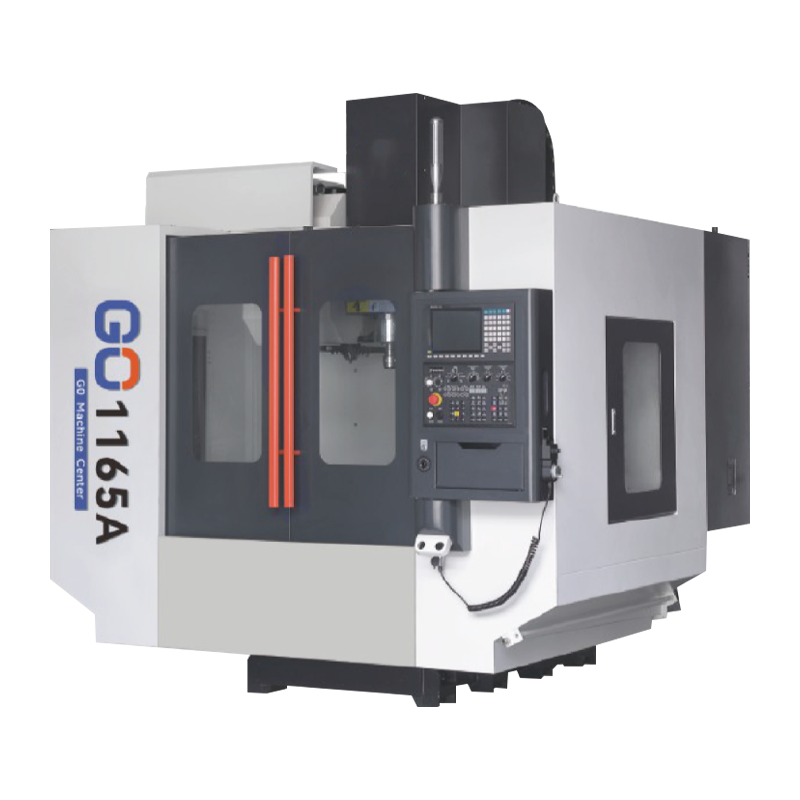 1165A High-Speed High-Precision Heavy-Duty Machining CenterWith a wide, heavy-load bed, imported linear guides, and pre-tensioned axis screws, this machining center supports high-speed drilling, tapping, and fine finishing for tight-tolerance medical parts.View Product →
Typical Medical Machining Sequences on a CNC Mill
- Face mill critical mating surfaces to establish flatness.
- Finish contour pockets and cavities with light radial cuts.
- Drill and ream guide holes that align with companion components.
- Deburr and verify edges before the part moves to cleaning and inspection.
Quality Systems and Process Control That Protect Patients
The machine itself only creates geometry. The system around it creates confidence. In medical-device manufacturing, a single good first article is not enough. The process must deliver the same result in lot after lot, on different operators, different shifts, and different raw material batches.
Process Controls
- In-process probing before critical features are finished
- Tool wear monitoring and automatic compensation
- Coolant pressure and temperature control
- Machine calibration records linked to production batches
Documentation Reality
A medical process may need to satisfy ISO 13485 requirements. The CNC machine builder does not certify your device, but it should supply calibration documentation, electrical and mechanical specifications, and maintenance guidance that support your validation. Without those records, a machine is just hardware.
When you compare equipment, look at how the control and cycle design support repeatable production. In particular, review how modern turning and milling platforms achieve micron-level machining accuracy.
You can also compare machine behavior from the angle of thermal drift, spindle load monitoring, and torque curves rather than only axis speed. These are the parameters that determine whether a tight tolerance survives contact with a difficult material.
The path to micron-level machining accuracy depends on more than a fine resolution encoder.Choosing a Partner for Precision Medical Manufacturing
A machine tool is a long-term purchase. For medical device manufacturing, what matters is not just the first-article result but the behavior of the system over thousands of cycles. The right machine partner should be able to explain how its equipment handles difficult alloys, thermal growth, chip evacuation, coolant delivery, and service response.
Hongjia CNC has more than 20 years of machine-building experience, an annual production capacity of 1,000 machines, and more than 500 customers. That background matters because it means the builder has seen the practical side of metal cutting, not only the marketing side. You can read more about Hongjia CNC's approach to machine building and manufacturing experience.
More about Hongjia CNC's machine building background.The devices that end up in an operating room cannot carry a warning label that says "operator skill required." They carry, if only by implication, the repeated precision of the manufacturing system that made them. Precision machining for medical devices turns drawings into that reality only when equipment, process, and quality control all work as one system.
