
 English
 中文简体
中文简体 русский
 Español
 عربى
عربى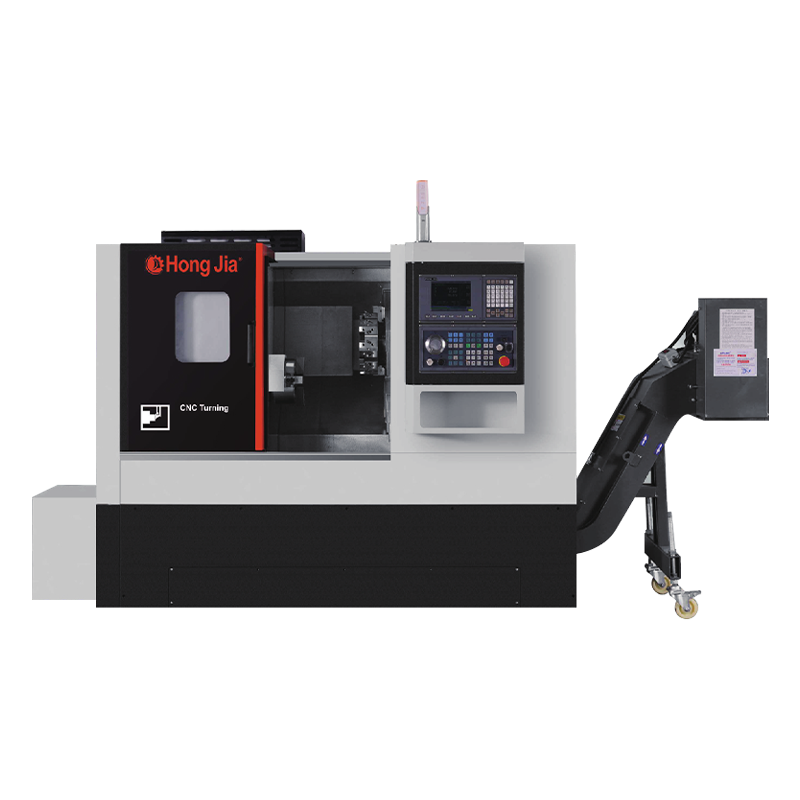
Don't hesitate to contact when you need us!
 Home / News / Industry News / What are the common faults of turret inclined bed CNC lathes? How to prevent them in advance?
 What are the common faults of turret inclined bed CNC lathes? How to prevent them in advance?
 2026.01.01
 Industry News
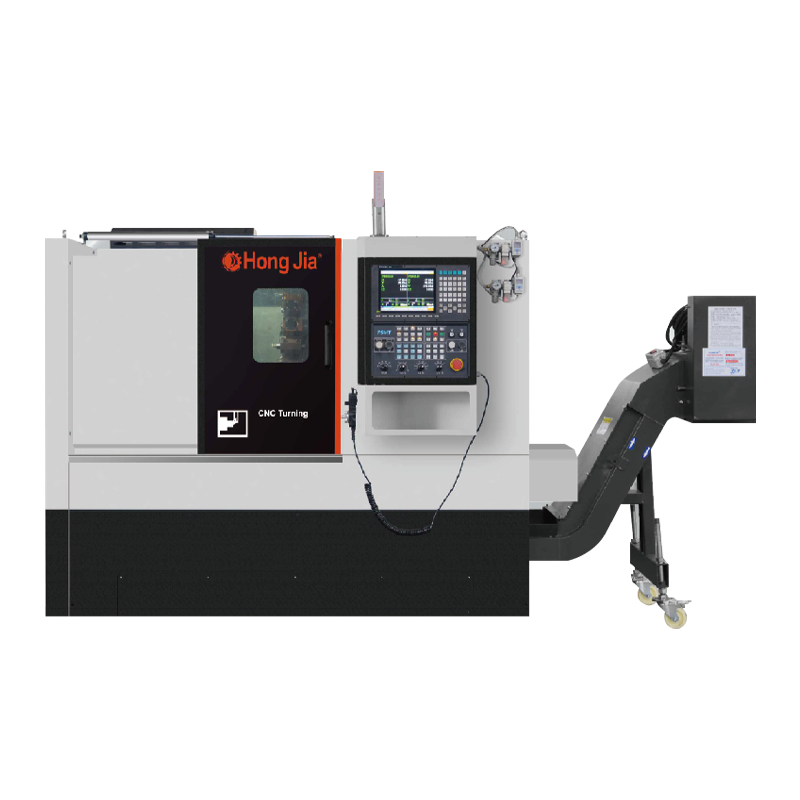
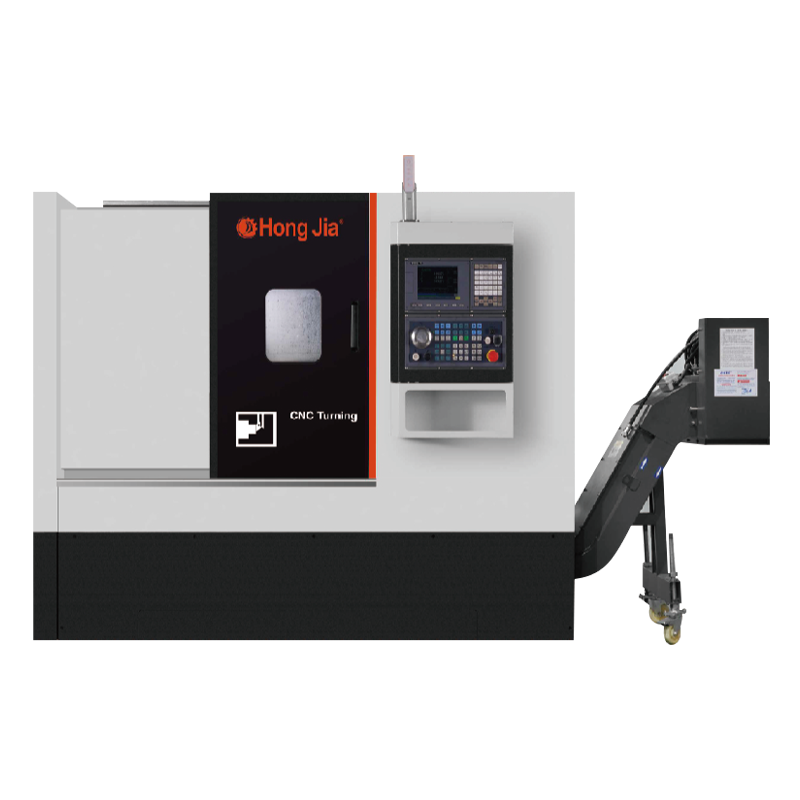
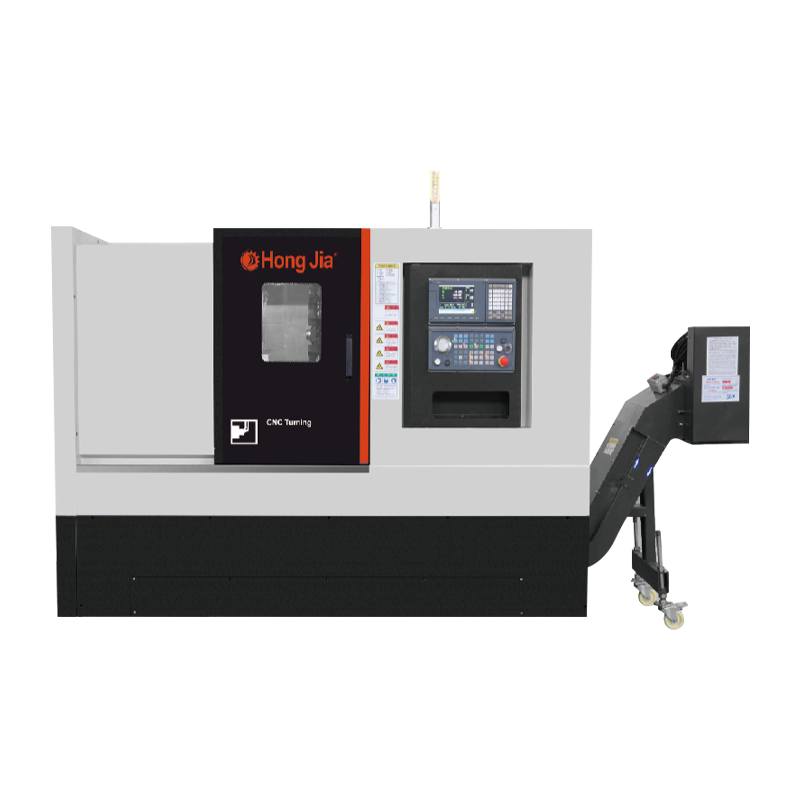
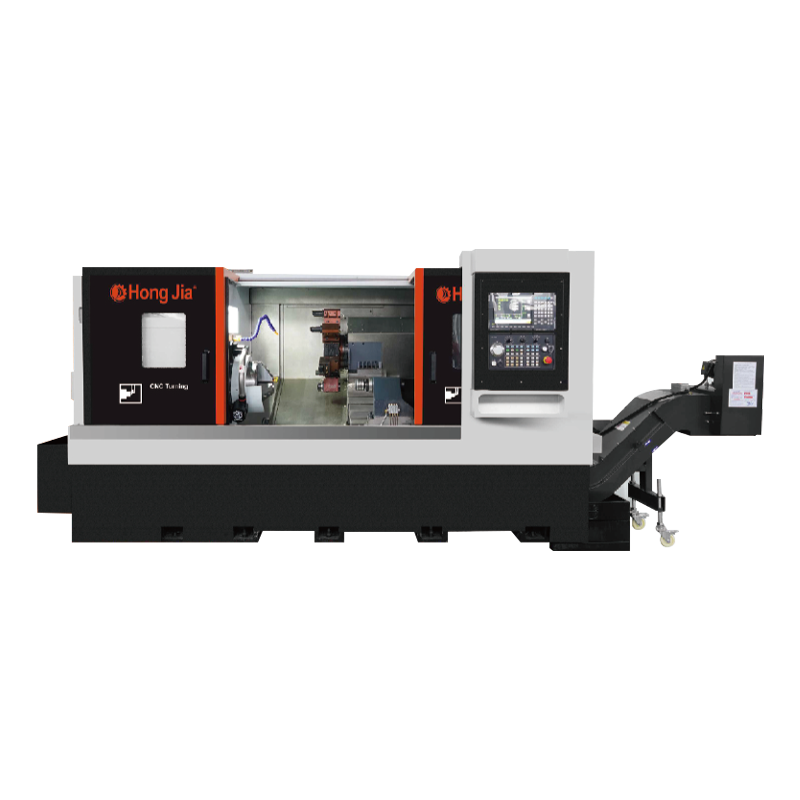
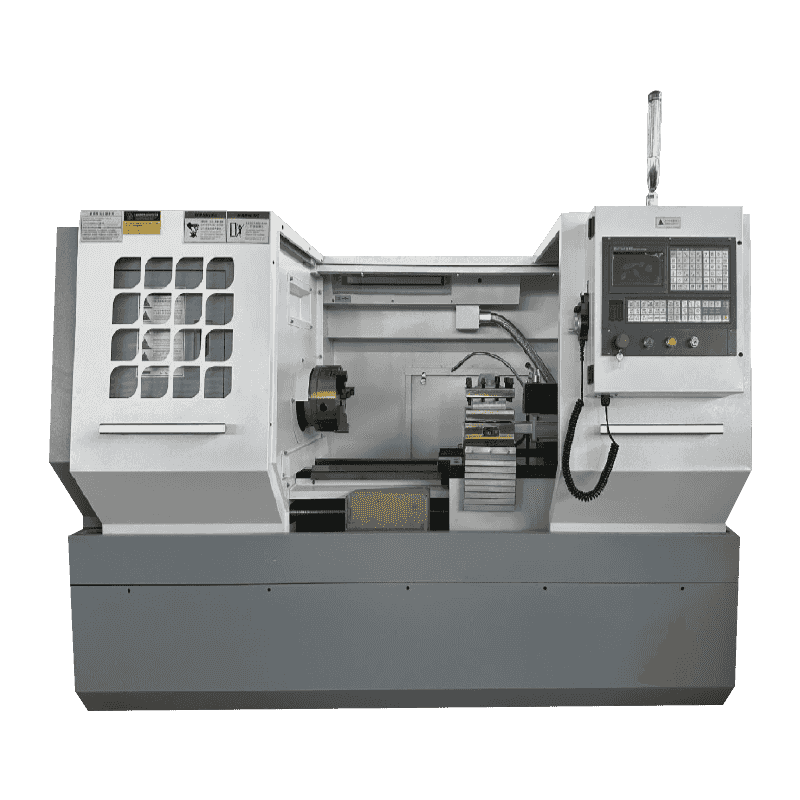
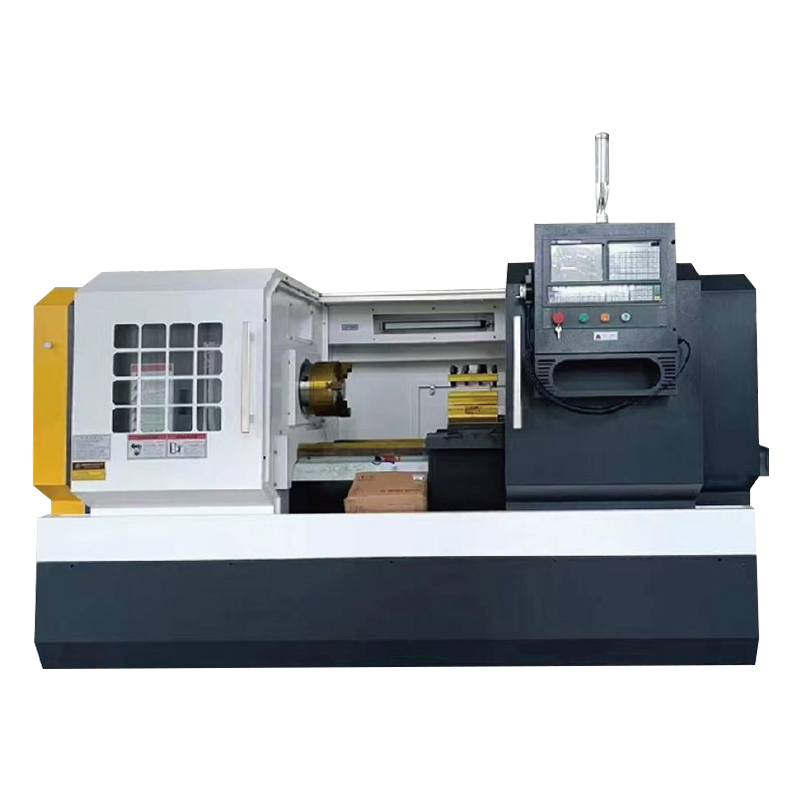
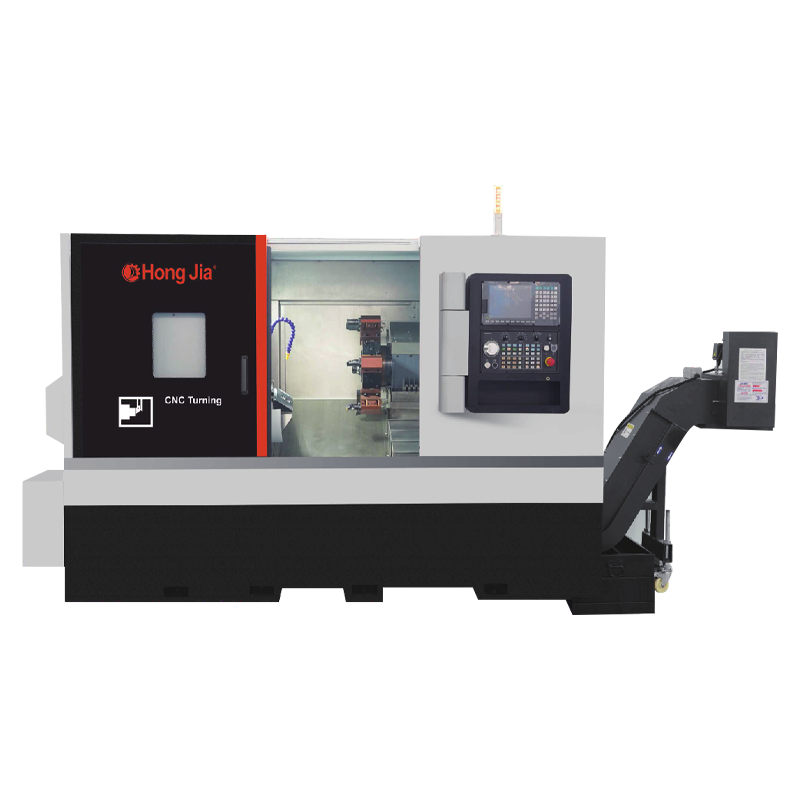
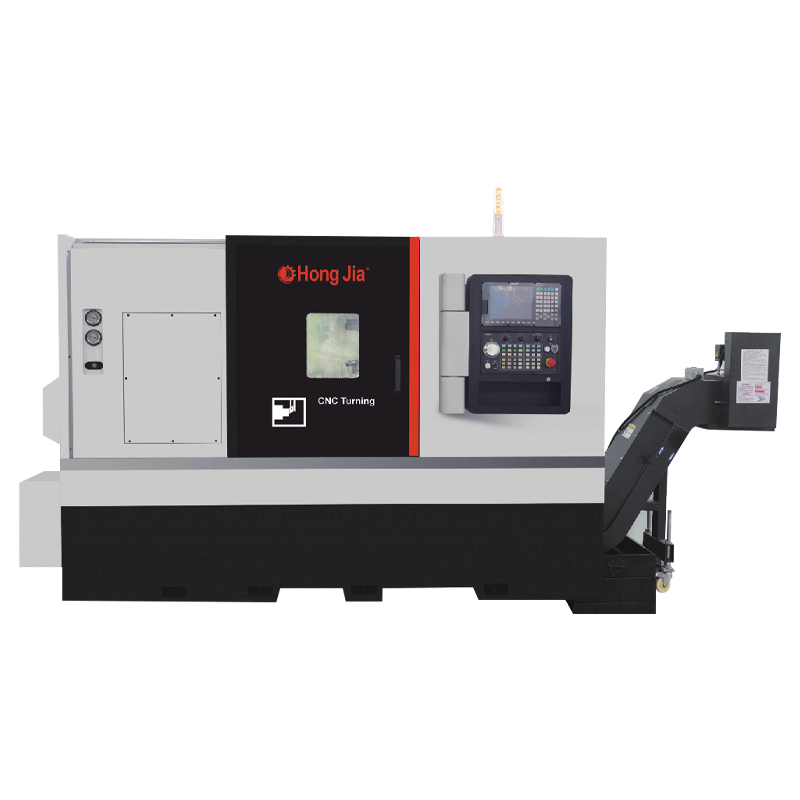
With the continuous development of the manufacturing industry, turret inclined bed CNC lathes, with their good rigidity, smooth chip removal, and high degree of automation, are widely used in automotive parts, hardware, medical equipment, and other fields. However, during long-term operation, improper maintenance and use can easily lead to various failures, affecting machining accuracy and production efficiency.
This article will help you understand the common faults of turret inclined bed CNC lathes and provide effective preventive measures.
1. Common Faults of the Turret System
The turret is one of the core components of the turret inclined bed CNC lathe. Common problems include inaccurate indexing, indexing jamming, or decreased repeatability.
Main Reasons:
Unstable hydraulic or servo system pressure
Wear of the internal gear disc and positioning pin of the turret
Improper tool installation, overloading, or interference
Preventive Measures:
Regularly check the cleanliness and pressure parameters of the hydraulic oil
Install tools according to manufacturer's standards to avoid overloading
Regularly verify the repeatability of the turret indexing and adjust in time if deviations are found
2. Spindle System Faults
Spindle abnormalities are a relatively serious problem in turret inclined bed CNC lathes, manifested as spindle overheating, abnormal noise, or unstable speed.
Main Reasons:
Insufficient or aging spindle bearing lubrication
Lack of maintenance during long-term high-speed operation
Unreasonable processing parameter settings, excessive load
Preventive Measures:
Strictly replace lubricating oil or grease according to the maintenance cycle
Reasonably plan the processing process to avoid long-term full-load operation
Monitor spindle temperature rise and stop the machine for inspection if abnormalities are found
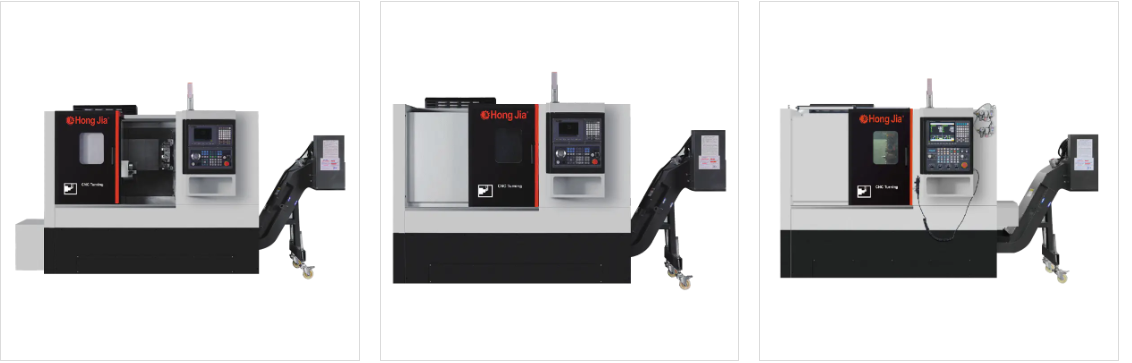
3. Guide Rail and Ball Screw Wear
The guide rails and ball screws directly affect the positioning accuracy and stability of the turret inclined bed CNC lathe. Once severely worn, it will lead to processing size drift.
Main Reasons:
Chips and coolant entering the protective structure
Automatic lubrication system blockage or failure
Long-term high load without accuracy compensation
Preventive Measures:
Keep the protective cover intact and regularly clean chips
Regularly check whether the automatic lubrication system is supplying oil normally
Use the CNC system for ball screw backlash compensation
4. CNC System and Electrical Faults
CNC system alarms, crashes, or malfunctions are important factors affecting the stable operation of the turret inclined bed CNC lathe.
Main Causes:
Unstable voltage or poor grounding
Dust accumulation or excessive temperature inside the control cabinet
Parameters being incorrectly modified or program errors
Preventive Measures:
Configure a voltage stabilizer and ensure proper grounding
Regularly clean the electrical cabinet and maintain proper heat dissipation
Back up critical parameters and perform thorough simulations before putting the program online
5. Hydraulic and Cooling System Problems
Hydraulic system leaks and poor cooling will directly affect the safety and processing quality of the turret slant bed CNC lathe.
Main Causes:
Aging seals
Hydraulic fluid or coolant not being replaced for a long time
Blocked pipelines
Preventive Measures:
Regularly inspect oil pipes and seals
Replace hydraulic fluid and coolant according to schedule
Keep the filtration system clean
Most turret slant bed CNC lathe failures are not sudden, but rather the result of long-term neglect of maintenance and proper operation. By establishing a comprehensive maintenance system, using the equipment reasonably, and strengthening operator training, not only can the failure rate be effectively reduced, but the service life of the equipment can also be significantly extended, improving overall production efficiency.
