
 English
 中文简体
中文简体 русский
 Español
 عربى
عربى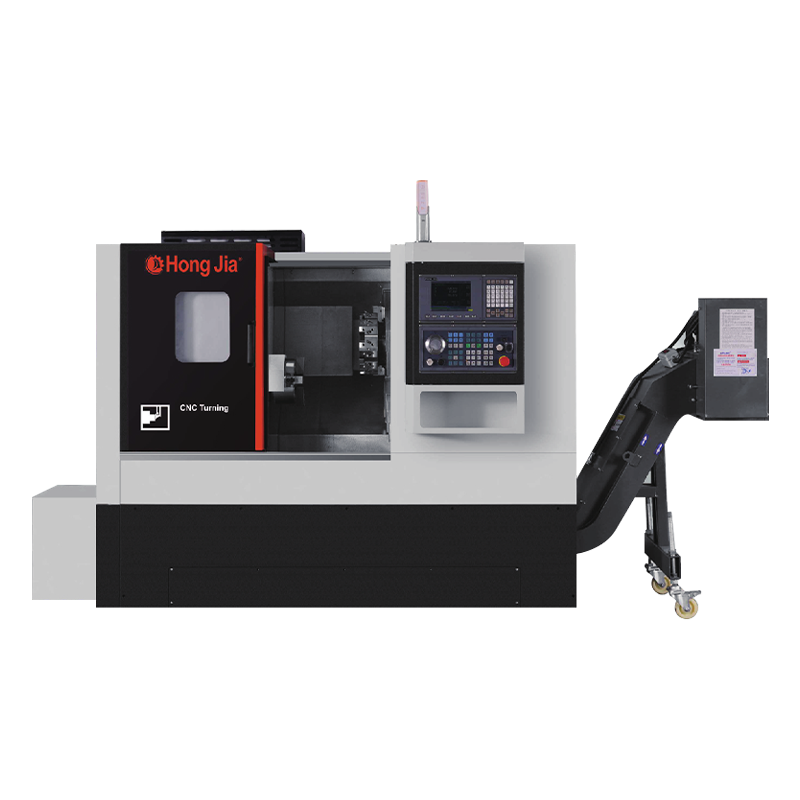
Don't hesitate to contact when you need us!
 Home / News / Industry News / Multi-Axis Machining: Types, Benefits, and How to Select the Right Equipment
 Multi-Axis Machining: Types, Benefits, and How to Select the Right Equipment
 2026.09.23
 Industry News
QC has just rejected the third batch of a manifold casting because two angled ports do not line up. That rejection is the moment most machine shops start reading about multi-axis machining. When a workpiece has to be re-clamped to reach angled or curved features, every new setup re-introduces alignment error, fixture wear, and operator judgment. Multi-axis machining keeps the part in one clamping and lets the tool reach it from several directions, which is why aerospace and medical manufacturers have used it for decades. The immediate result is tighter tolerances and shorter lead times; the bigger result is a predictable first-part-correct process. Still, the machine is only half of the solution: the CAM toolpaths, the workholding, and the programmer's experience decide whether the extra axes actually earn their keep.
Content
What Multi-Axis Machining Actually Means
CNC machines describe movement with coordinate axes. The three linear axes are X, Y, and Z. A rotary axis turning around X is the A axis, around Y is the B axis, and around Z is the C axis. When a machine combines linear axes with at least one rotary axis, it becomes a multi-axis machine. Most four-axis machines use a rotary table on the C axis; five-axis machines add a tilting spindle head, a tilting table, or both. The phrase 3+2 refers to a five-axis machine used in positioning mode, where the rotary axes move to an angle and lock, then cut in the same way as a three-axis machine.
The table below compares the configurations that dominate job shops and the trade-off each one brings:
| Configuration | Motion | Typical Parts | Main Strength | Watch Out |
|---|---|---|---|---|
| 3-axis | X, Y, Z linear | Simple prismatic parts, plates, pockets | Lowest cost, simple programming | Angled features still need additional setups |
| 4-axis (3+1) | X, Y, Z plus one rotary axis | Curved slots, gear housings, long profiles | Rotary motion at moderate cost | Part length limited by table diameter |
| 5-axis 3+2 | X, Y, Z plus two rotary axes | Brackets with angled ports, mold bases | Reaches five sides in one setup | Lacks true simultaneous five-axis cutting |
| 5-axis simultaneous | X, Y, Z plus interpolated rotary axes | Impellers, turbine blades, organic shapes | Best surface finish and cycle time | Most expensive to program and verify |
| Multi-tasking turning center | X, Z, Y, C axis, second spindle | Shafts with milled flats, cross holes, eccentrics | Entire part finished in one cycle | Needs live tools and Y-axis capability |
How Multi-Axis Machining Changes Setup Thinking
Adding axes does not simply add motion; it changes the reference system. On a 3-axis machine, an angled hole is created by placing the workpiece on an angled fixture, so the hole position depends on how accurately that fixture is clamped. On a multi-axis machine, the machine itself rotates the part or the tool to the programmed angle, and the only datum that matters is the calibrated rotary position. Fixture error stops accumulating.
The production sequence also changes shape:
- Model the part in CAD and convert it to CAM, defining every feature in one coordinate system.
- Simulate the complete program, including rotary motion, tool-holder clearance, and table travel.
- Clamp the workpiece once and probe or indicate its reference edges.
- Run the cycle; the machine positions the rotary axes automatically between cuts.
- Inspect finished features against the same coordinate system, because nothing was re-clamped.
The tolerance gain comes from removing clampings. A feature machined after the third re-clamp carries the accumulated error of all previous setups. Machining it in the original clamping keeps the datum identical, which is why shops holding 0.01 mm repeatability see fewer scrap parts even when cycle time barely changes.
When Multi-Axis Machining Pays Off
Not every part needs five axes. The candidates tend to share a few characteristics: angled holes, curved rail surfaces, drafted mold walls, or interrupted cuts that need a constant tool orientation. The five part families below are the strongest candidates:
- Aerospace structural parts – thin-wall brackets, valve housings, and fittings with angled ports; prototypes and production parts enjoy the same one-setup accuracy.
- Mold and die components – cores, inserts, and electrodes with drafted surfaces, where a five-axis finish pass avoids the step marks left by re-clamping.
- Medical implants and instruments – curved titanium profiles and compound-angle holes, where stable positioning protects sensitive geometry.
- Automotive and motorcycle drivetrain parts – linking brackets, engine hardware, and pedal boxes that change between revisions and need fast re-quoting.
- Hydraulic and energy components – valve bodies and connectors with cross-drilled ports that must meet in the middle of the material without drifting.
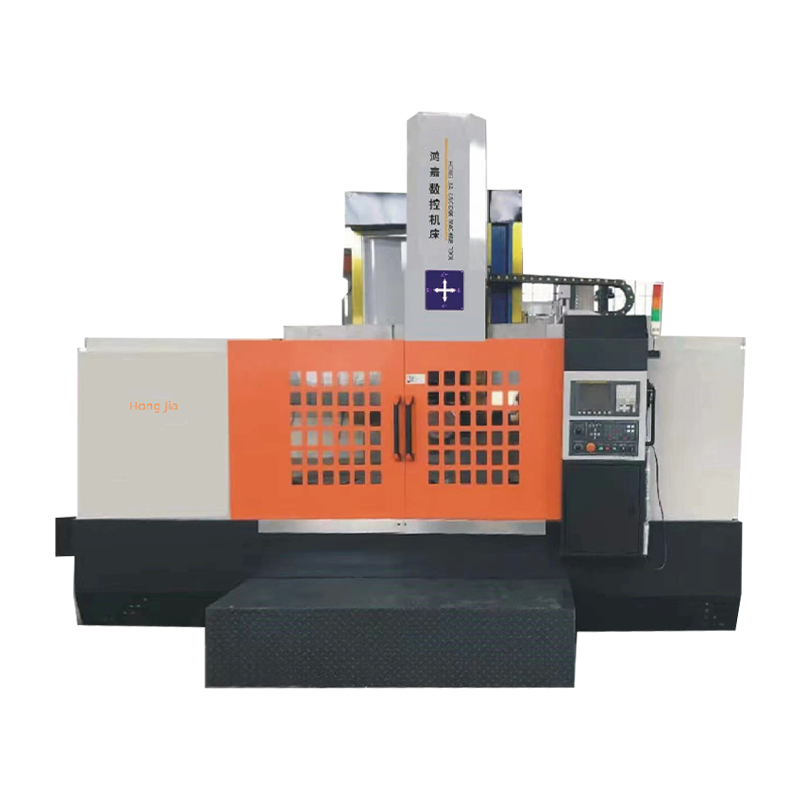
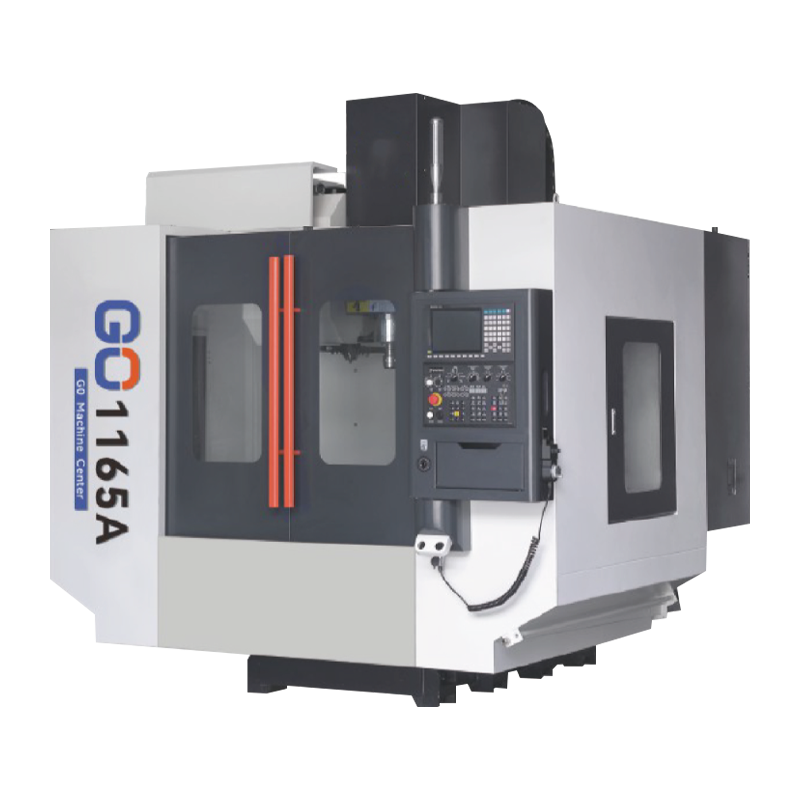
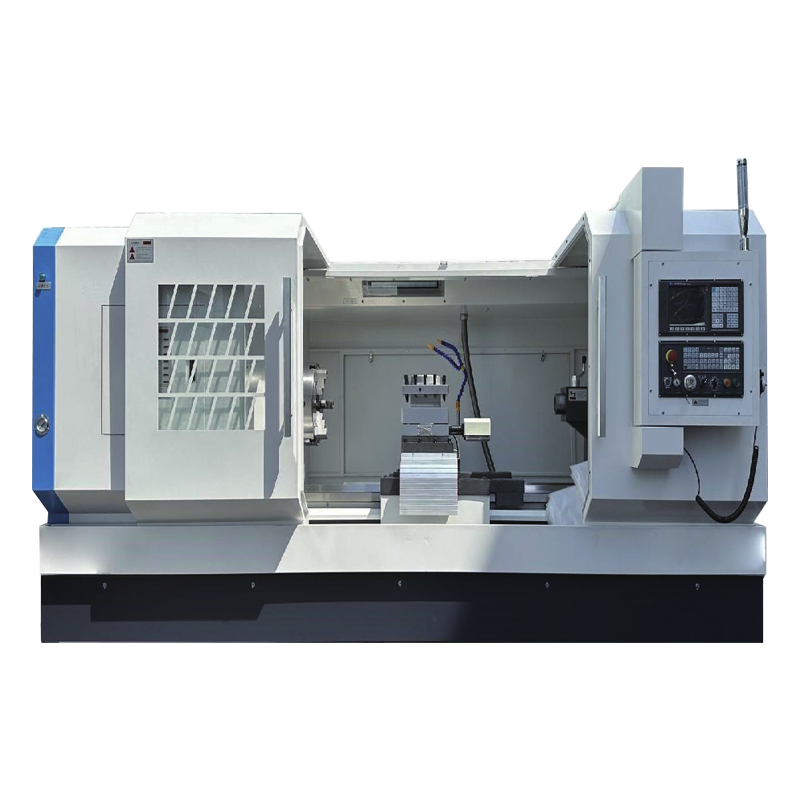
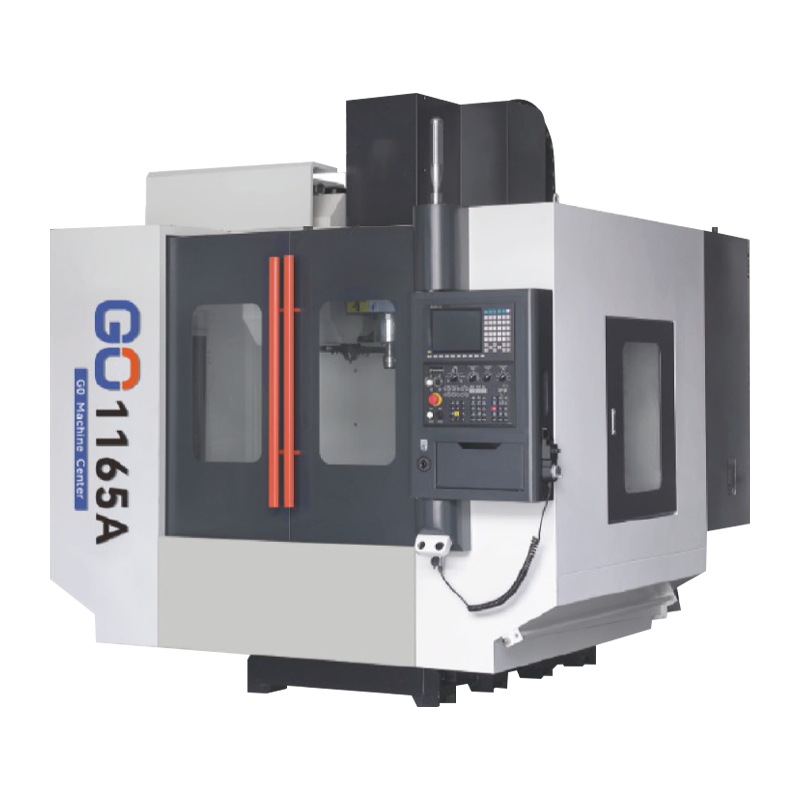 1165A High-Speed Heavy-Duty Machining Center for Rigid MillingThis heavy-duty machining center features a wide base, large-span guideways, and pretensioned ball screws to maintain rigidity during rotary-table milling, making it a strong choice when long tools demand stable cutting.View Product →
On the milling side, rigidity decides whether a rotary table delivers its rated accuracy. A lightweight VMC can flex when a long tool hangs over a rotary fixture; a heavy-duty machining center with a high-speed spindle, such as the 1165A, absorbs that load and keeps the tool point steady while the table tilts and rotates.
Multi-Axis Turning: Where Machining Centers and Lathes Converge
Most introductory articles about multi-axis machining talk about milling centers, but the largest setup reductions often happen on the turning side. A modern multi-axis turning center adds a C axis on the main spindle, a Y axis on the turret, and frequently a second spindle. A shaft that once required three operations, chucking, sub-spindle transfer, and then a separate milling center, can now be finished in one cycle.
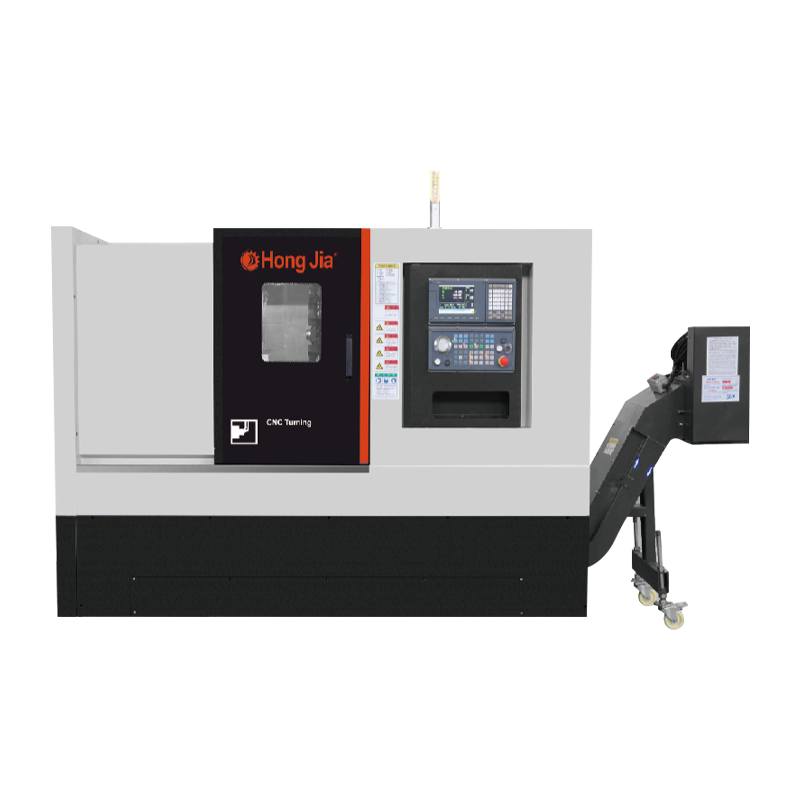
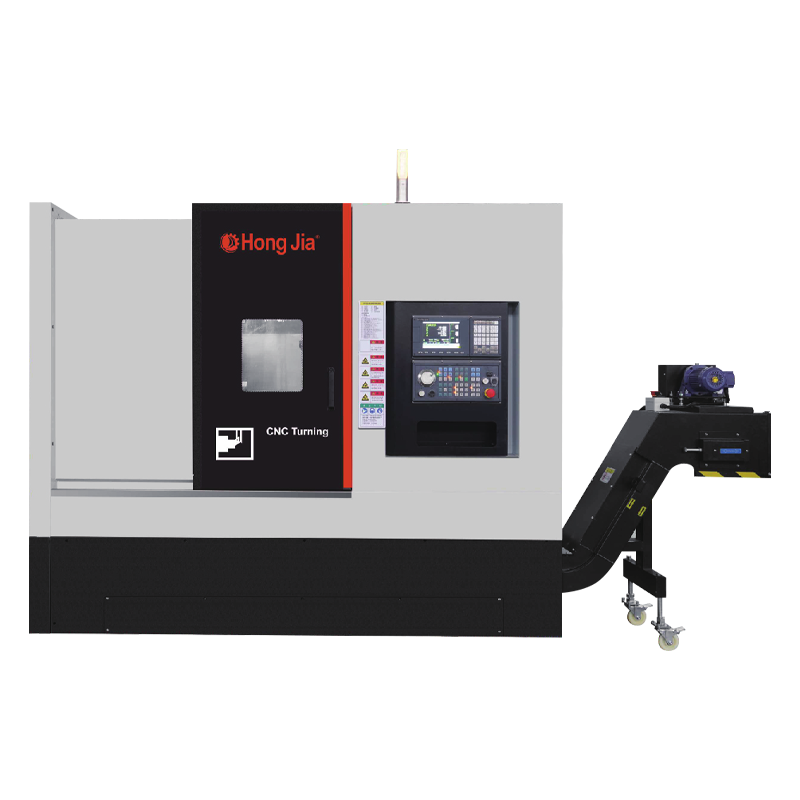
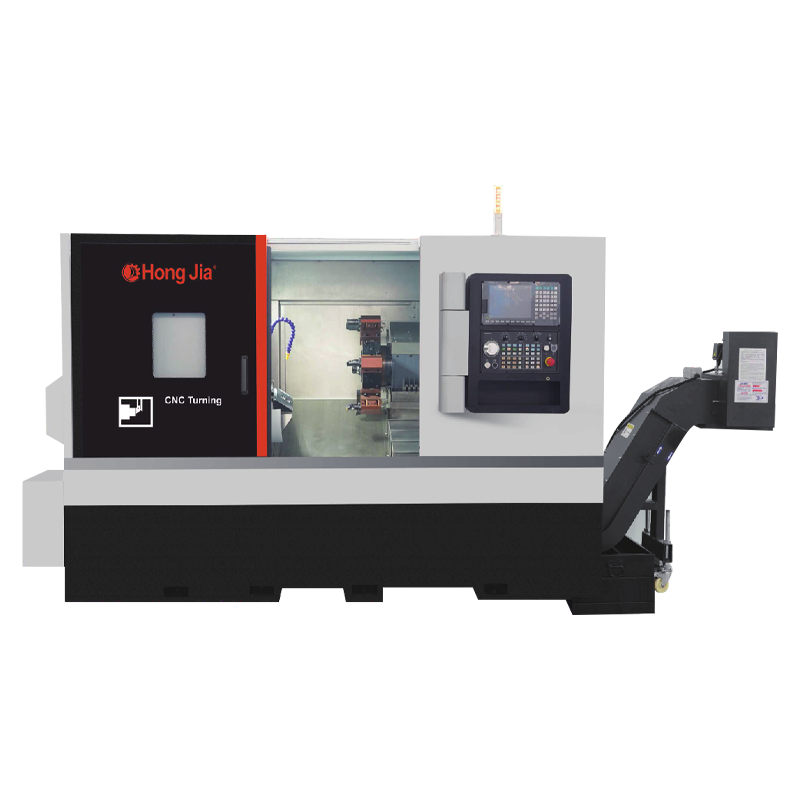
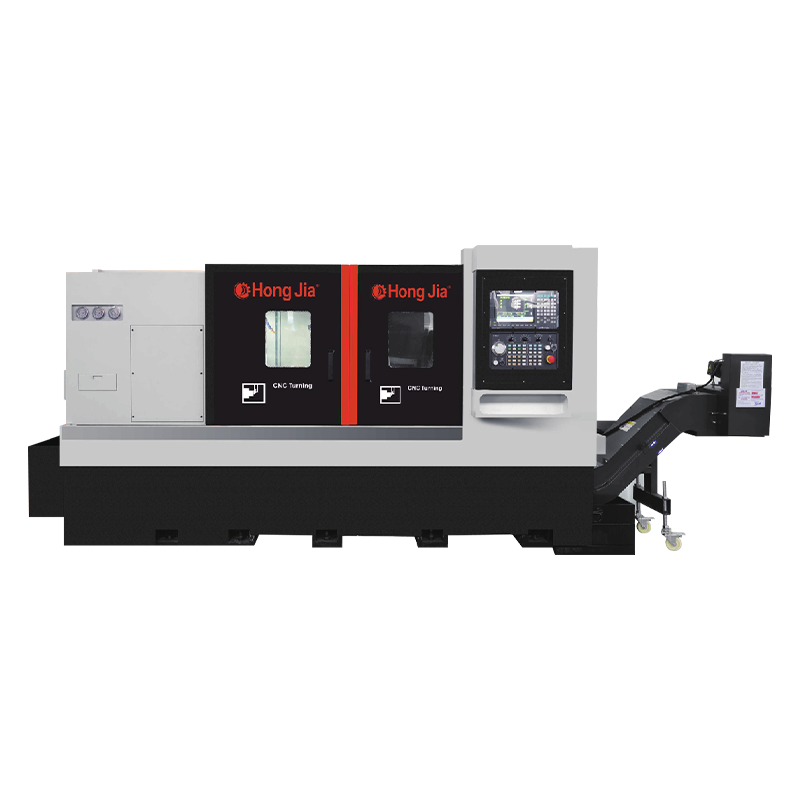
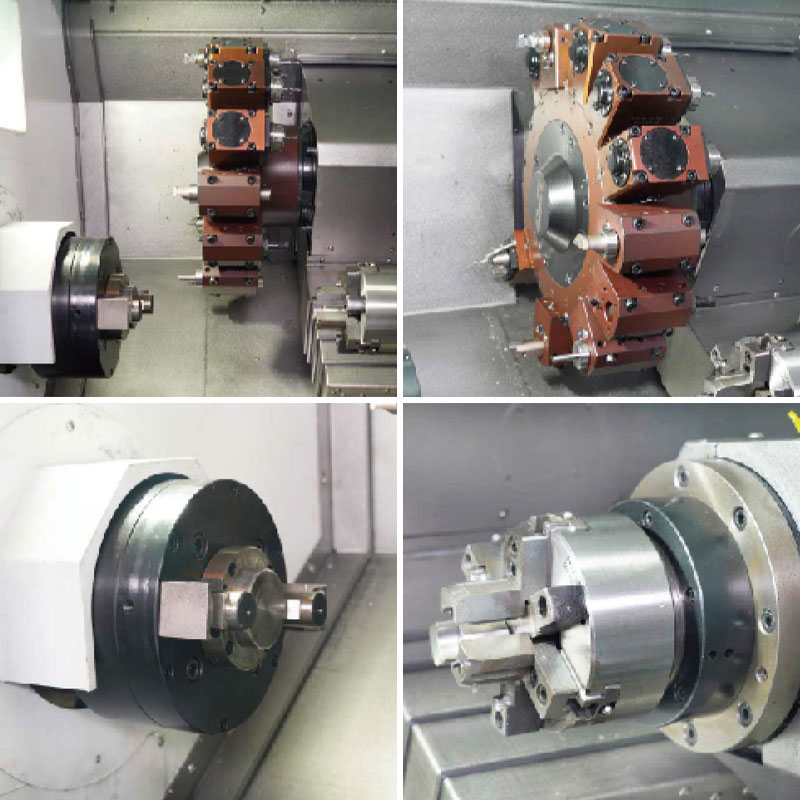 NC-106DS Dual-Spindle Automatic Docking Turning CenterWith automatic workpiece transfer between main and sub-spindles, this center completes both ends of a shaft in one cycle, reducing clamping errors and supporting turning, drilling, boring, milling, and tapping for complex parts.View Product →
The dual-spindle design takes this further. In an automatic docking arrangement, the part moves from the main spindle to the sub-spindle without stopping the program. Both ends of the shaft are machined in the same cycle, so second-operation features reference the first-operation datum instead of a new clamping. That is why a dual-spindle automatic docking solution has become the standard answer for complex shafts with features on both ends.
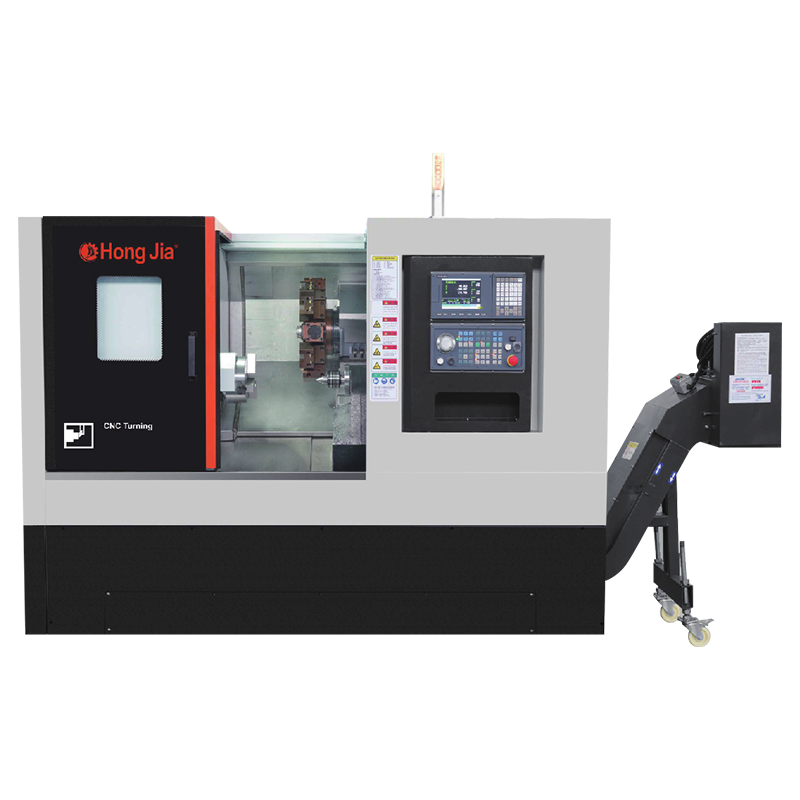
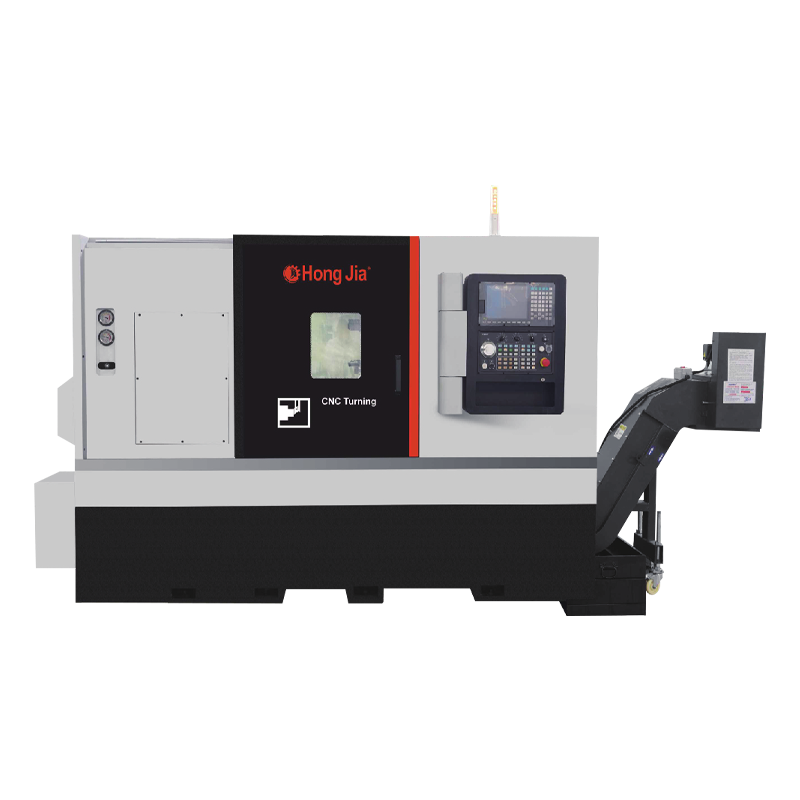
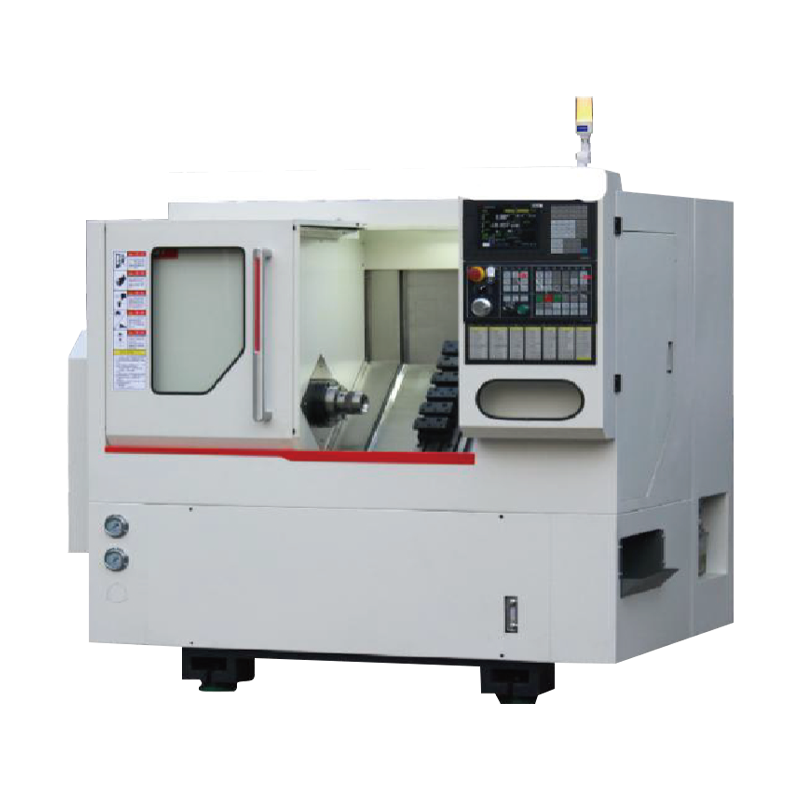 T36P Multi-Function Turning Center with Drilling and BoringThis machine combines turning with drilling and boring in a single setup, using a rigid structure for heavy cutting. Its integrated spindle and removable coolant tank suit high-production parts requiring cross-holes or eccentric features.View Product →
The same logic applies to holes, slots, and flats. A turning center with drilling and boring capability, such as the T36P, combines turned diameters with cross-hole drilling, slot milling, and eccentric boring. The part stays clamped while the turret indexes between operations, so the relationship between the turned diameter and the drilled hole is controlled by the machine rather than by a secondary setup.
What to Check Before Buying a Multi-Axis Machine
A machine with more axes does not automatically improve the shop. These five checks prevent the most common purchasing mistakes:
| Check | Why It Matters |
|---|---|
| CAM post-processor | A multi-axis machine is useless without a verified post-processor; test it on the actual control before you sign. |
| Rotary axis accuracy | Worm-gear tables show backlash and direct-drive tables cost more; ask for stated backlash and positional accuracy figures. |
| Control and simulation | Five-axis cycles need high-speed look-ahead and collision avoidance; operators need these tools to work safely. |
| Fixture and tooling budget | Rotary tables, base plates, and custom clamps add a significant share to the machine price; include them in your ROI. |
| Training and service | Multi-axis programming is a separate skill; confirm that the supplier can train your programmers and provide remote diagnostics. |
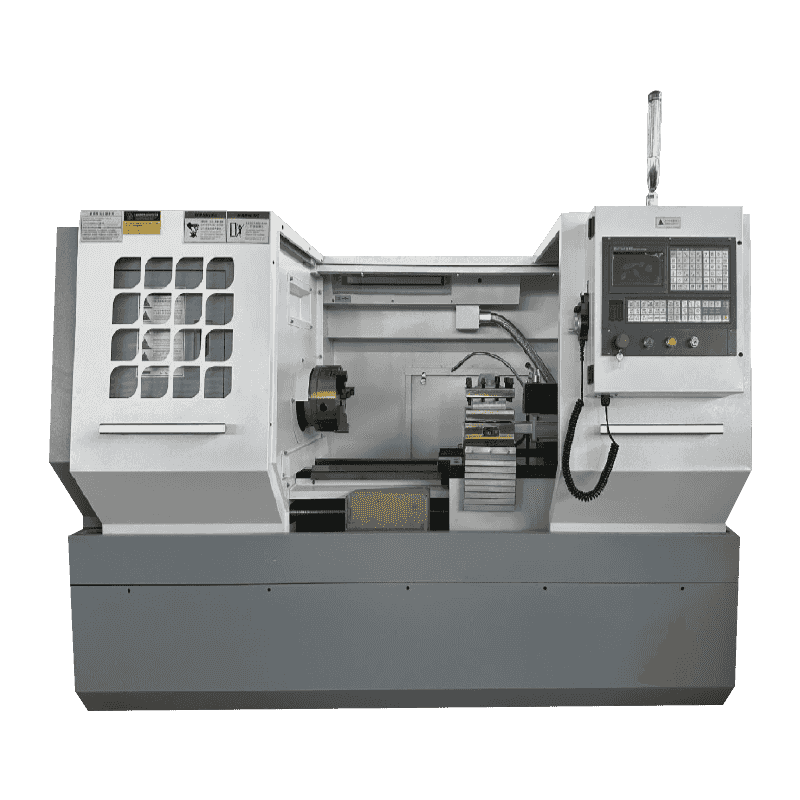
For many job shops, the most practical first step into multi-axis work is a horizontal turning center with live tooling, because shafts, flanges, and spindles usually need angular milling and drilling features that a turning center can reach in a single clamping.
Production Reality: What Multi-Axis Does Not Solve
Multi-axis machining deserves its reputation, but it also brings constraints that show up after installation. The five most common surprises are:
- CAM time moves to the office – simultaneous toolpaths take longer to generate and verify than the three-axis programs they replace.
- Cycle time can increase – one machine doing work previously spread over three spindles means the machine idles while tools index and the part transfers.
- Collision risk is higher – rotary tables and long tool holders reduce the clearance, so simulation is mandatory, not optional.
- Work envelope shrinks – the rotary table raises the part, and tall components can hit the spindle nose before the table finishes its travel.
- Operator skill changes – probing routines, tool setting, and in-process inspection matter more than conventional machining experience.
The practical approach is to route multi-axis work to the machines where the axis cost is justified, and to keep simple prismatic parts on simple three-axis equipment. Shops that manage the mix deliberately get the best return on both types of machines.
A useful exercise: take the three most troublesome parts in the shop, count the setups they need today, and price the same parts with four-axis and five-axis quotes. If the setup count drops from four to one, the business case builds itself. From there, the specification question becomes simpler: how much rotary capacity, what spindle speed, and which CAM post-processor. Multi-axis machining is not a separate category of manufacturing; it is simply the normal answer for parts that refuse to be finished in one square-on clamping.
