
 English
 中文简体
中文简体 русский
 Español
 عربى
عربى
Don't hesitate to contact when you need us!
Precision Machine Layout Guide: Turret Inclined Bed CNC Lathe Setup
 2026.07.29
 Industry News
Content
- 1 Direct Answer: Precision Machine Accuracy Depends on Turret Inclined Bed CNC Lathe Structure and Rational Workshop Layout
- 2 Structural Advantages of the Turret Inclined Bed CNC Lathe
- 3 Precision Machine Selection: When You Need a Turret Inclined Bed Structure
- 4 Core Principles for Rational Workshop Layout of a Turret Inclined Bed CNC Lathe
- 5 Environmental Factors That Affect Machining Accuracy and How to Address Them
- 6 Coordinating Layout with Automation: Robots, Magazines, and Inspection Stations
- 7 Common Layout Mistakes to Avoid
- 8 About Ningbo Hongjia CNC Technology's Products and Services
- 9 Frequently Asked Questions
Direct Answer: Precision Machine Accuracy Depends on Turret Inclined Bed CNC Lathe Structure and Rational Workshop Layout
For any shop aiming for consistent precision output, the actual performance of a precision machine is never determined by the machine's specifications alone. It is shaped jointly by the machine's structure, the workshop layout, and the machining process itself. Take the Turret Inclined Bed CNC Lathe as an example: its inclined bed design inherently improves chip evacuation and operator accessibility, but if foundation load capacity, machine spacing, chip discharge direction, and temperature control are ignored during layout planning, even an excellent machine will struggle to deliver stable, high-precision parts over time.
Deciding whether a precision machine is ready for production therefore requires evaluating three levels together: whether the machine structure matches the workpiece type, whether the workshop layout leaves enough space for the machine to perform at its rated capability, and whether future maintenance and automation integration have already been accounted for during the layout stage. The sections below break down exactly how to approach each of these three levels.
Structural Advantages of the Turret Inclined Bed CNC Lathe
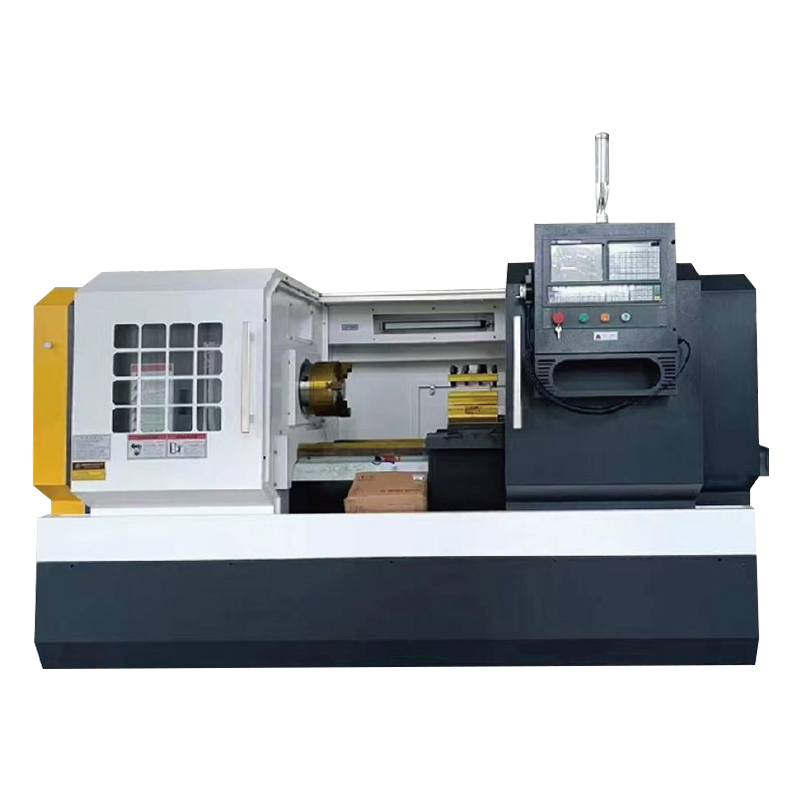
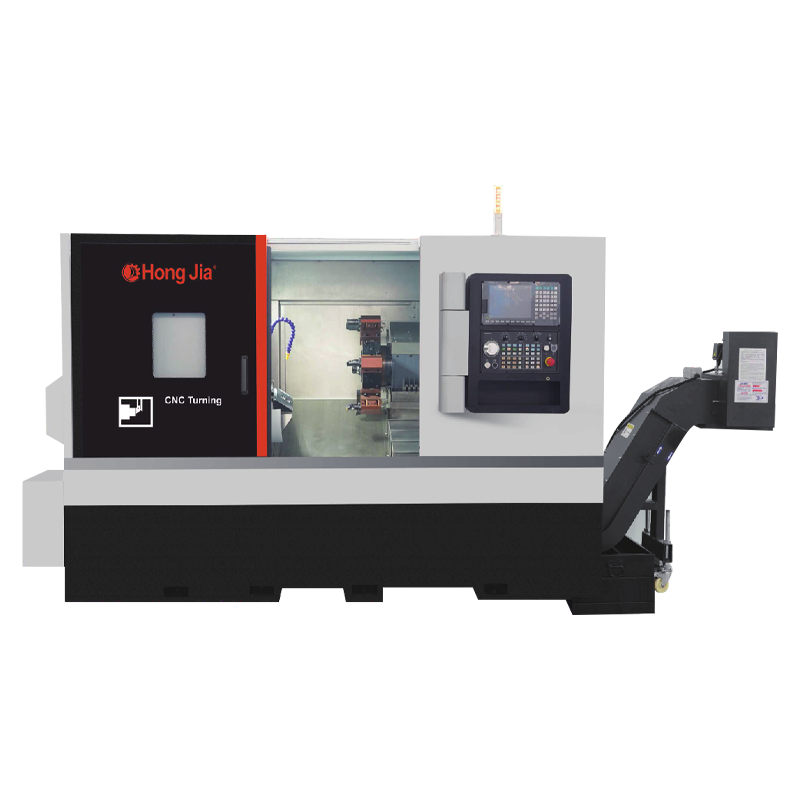
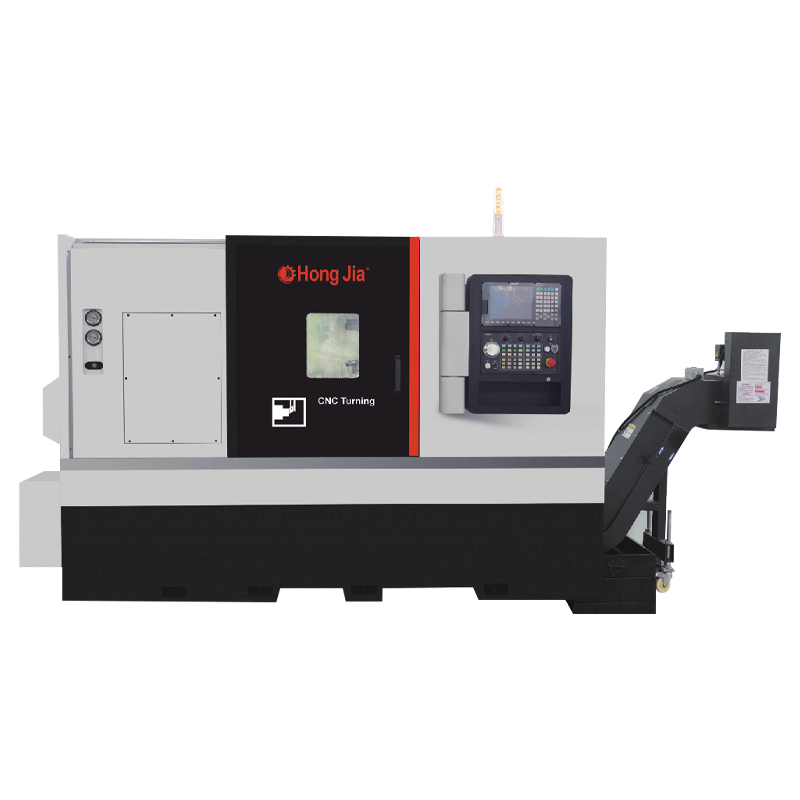
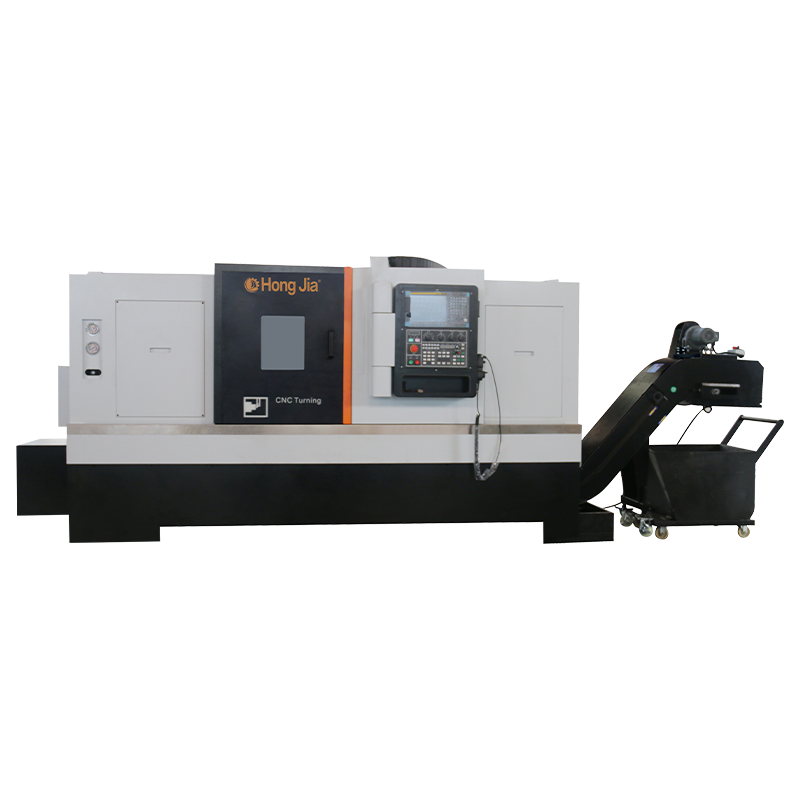
The Turret Inclined Bed CNC Lathe is widely adopted in precision turning largely because its inclined bed angle (typically 30°-45°) delivers three structural advantages:
- Chips slide down the incline under gravity toward the discharge trough, reducing chip buildup that would otherwise degrade guideway accuracy over time
- The turret tooling structure accommodates more tool stations, reducing tool-change frequency and shortening per-part cycle time
- A lower overall center of gravity and higher bed rigidity provide more effective vibration suppression under heavy cutting loads
Compared with a flat-bed design, an inclined bed generally wears more slowly along the guideways under the same cutting load, which is one of the key reasons the turret inclined bed structure has become the preferred configuration for medium-to-high volume part production.
Precision Machine Selection: When You Need a Turret Inclined Bed Structure
Not every machining scenario calls for a turret inclined bed structure. Selection should be evaluated against the following dimensions:
| Evaluation Criteria | Suits a Turret Inclined Bed CNC Lathe | Better Suited to Other Machine Types |
|---|---|---|
| Production volume | Medium-to-high volume, frequent part switching | Single-piece, low volume, or oversized workpieces |
| Tooling needs | Multi-operation parts requiring frequent tool changes | Simple single-operation turning only |
| Chip evacuation demand | Heavy chip loads requiring automatic discharge | Dry machining, minimal chip volume |
| Automation integration | Requires robot or magazine integration | Manual loading, simple operations |
Core Principles for Rational Workshop Layout of a Turret Inclined Bed CNC Lathe
Workshop layout is the factor that most determines the long-term stability of a precision machine. For a turret inclined bed CNC lathe in particular, chip discharge direction, guard door swing clearance, and automatic loading interface positions must all be planned together during the layout stage.
Machine Spacing and Operator Clearance Planning
- At least 1000mm of working clearance should be reserved in front of the machine for workpiece clamping and tool adjustment
- Spacing between adjacent Turret Inclined Bed CNC Lathes should be no less than 1.5 meters, to allow full guard-door opening and maintenance access
- Chip conveyor discharge points should all face a common collection channel, avoiding crossing chip-discharge paths between multiple machines
- Electrical cabinets and coolant tanks should be positioned on the side most convenient for routine inspection, minimizing detour distance during daily checks
Foundation and Load Capacity Requirements
Because the turret inclined bed structure shifts the machine's center of gravity toward the sloped side, foundation design must carefully account for the local load beneath the projected center-of-gravity point, paired with consistent leveling using vibration-damping feet, to prevent guideway accuracy from drifting over time due to uneven foundation settling. This is especially important on production lines where multiple precision machines are installed side by side, since foundation-borne vibration can transmit between machines through the floor and amplify each other's error.
Environmental Factors That Affect Machining Accuracy and How to Address Them
Even when a machine has adequate rigidity and a well-planned layout, environmental factors can still noticeably affect the actual machining accuracy of a precision machine, primarily in three areas:
- Workshop temperature fluctuation — large temperature swings cause thermal expansion and contraction errors in the spindle and guideways; precision shops typically aim to keep temperature variation within ±2°C
- External vibration sources — stamping and forging equipment should not share the same foundation zone as a Turret Inclined Bed CNC Lathe, to avoid vibration crosstalk
- Dust and coolant mist — these affect the long-term stability of precision components such as linear scales and encoders, so dust extraction and mist collection systems should be planned as part of the overall layout
For shops handling high-precision, high-volume orders, physically separating vibration-sensitive machines from heavy-load equipment such as stamping or forging presses is a common way to preserve long-term consistency in precision machine output.
Coordinating Layout with Automation: Robots, Magazines, and Inspection Stations
On modern production lines, a Turret Inclined Bed CNC Lathe rarely operates in isolation. It is typically integrated with a loading/unloading robot, a bar feeder, or an in-line inspection unit as part of a complete cell. During the layout stage, the following points deserve particular attention:
- The chuck centerline must align precisely with the robot arm's reach envelope to avoid a second round of on-site adjustment
- Magazine placement should minimize the travel distance for workpiece flow, reducing intermediate handling steps
- An in-line inspection station should sit close to the output port, enabling immediate spot-checks after machining and shortening the feedback loop for defective parts
This kind of integrated cell layout requires more coordination effort at the design stage, but it significantly reduces the hidden costs of line commissioning and manual transfer later on.
Common Layout Mistakes to Avoid
In real-world projects, the following layout mistakes recur most often and are the leading cause of a precision machine underperforming once it goes into production:
- Reserving space based only on the machine's static footprint, without accounting for guard-door swing or turret tool-change travel
- Pointing a chip conveyor's discharge outlet directly toward a main personnel walkway, creating a safety hazard
- Facing the electrical cabinet away from the maintenance aisle, forcing technicians to walk around the entire machine for routine checks
- Sharing a single coolant recovery line across multiple machines without independent shutoff valves, meaning one machine's repair forces the whole line to stop
Most of these issues can be caught early during layout drawing review, simply by adding an extra pass to check for dynamic clearance conflicts — avoiding costly rework after the equipment has already been installed.
About Ningbo Hongjia CNC Technology's Products and Services
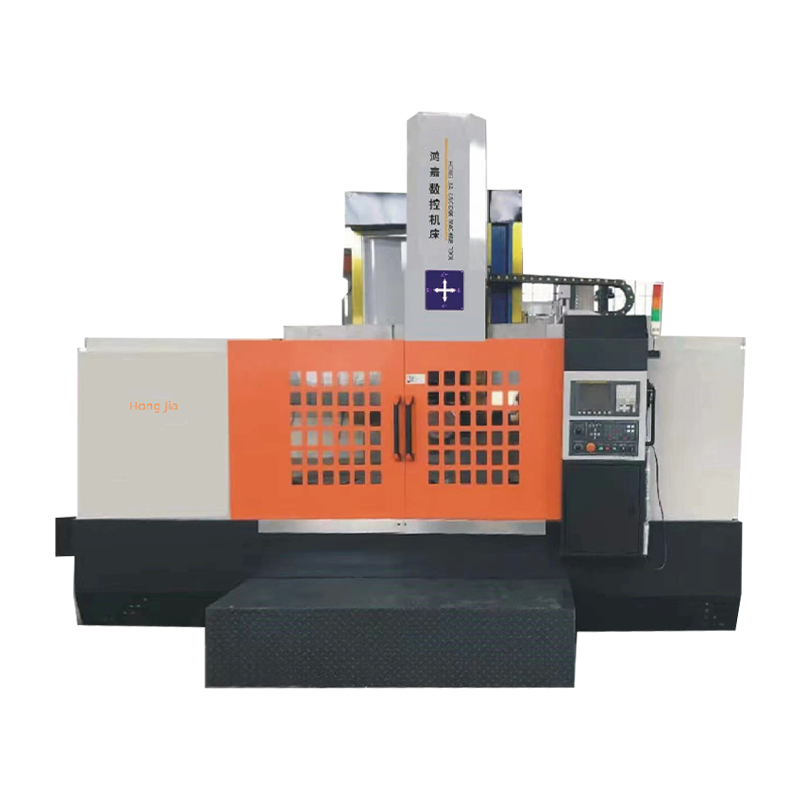
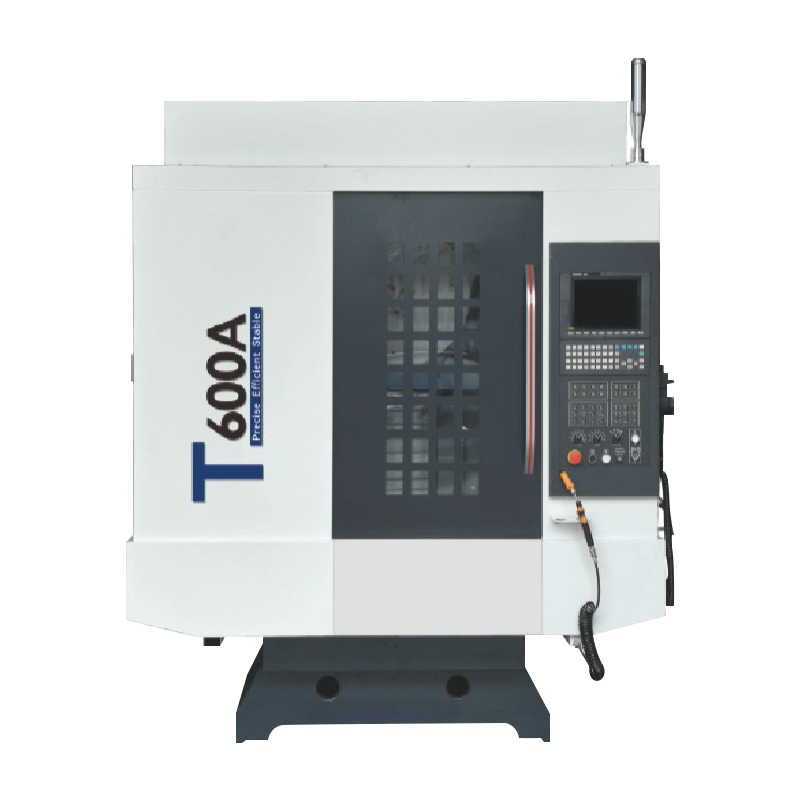
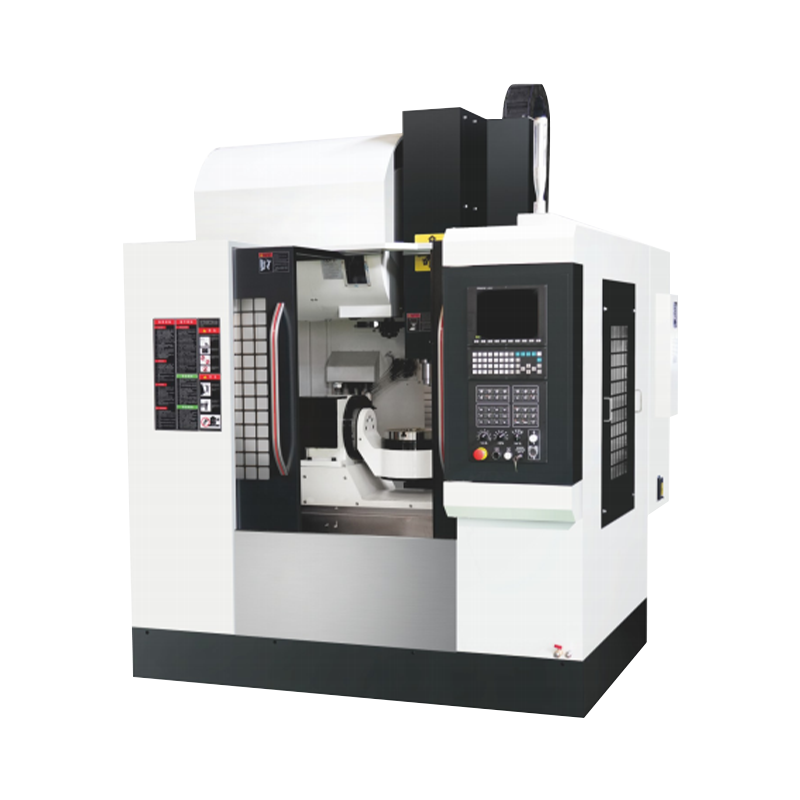
Ningbo Hongjia CNC Technology Co., Ltd is a company focused on the research, development, production, and sale of CNC metal-cutting equipment, with a product range covering the Turret Inclined Bed CNC Lathe, horizontal turning-milling series, vertical lathe series, and milling centre series among other precision machine types. The company has accumulated extensive experience in both structural design and workshop layout consultation, and can provide integrated recommendations — from machine selection through production-line layout — tailored to a client's actual workpiece type, batch requirements, and workshop conditions, helping customers validate space and process decisions before equipment goes into production and reducing the need for costly modifications later.
Frequently Asked Questions
Q1: How does the layout of a Turret Inclined Bed CNC Lathe differ from a flat-bed lathe?
A turret inclined bed lathe has a fixed chip-discharge direction toward the sloped side, so the layout must consistently route the chip channel accordingly. A flat-bed lathe offers more flexibility in chip discharge and therefore has fewer directional constraints on layout.
Q2: What is the most commonly overlooked issue during precision machine workshop layout?
The most commonly overlooked issue is dynamic clearance — guard-door swing range, turret tool-change travel, and the space needed for future disassembly during maintenance. These are easy to miss on a static floor plan and require an additional dedicated check.
Q3: What foundation considerations matter when installing multiple Turret Inclined Bed CNC Lathes side by side?
The local load beneath each machine's center-of-gravity projection needs to be calculated, along with consistent leveling using vibration-damping feet, to prevent uneven foundation settling or cross-transmitted vibration from causing guideway accuracy to drift over time.
