
 English
 中文简体
中文简体 русский
 Español
 عربى
عربى
Don't hesitate to contact when you need us!
What Is a Milling Machine? Definition, Types & Milling Centre Guide
 2026.07.22
 Industry News
Content
- 1 What Is a Milling Machine? The Direct Definition
- 2 How Milling Actually Removes Material
- 3 The Core Components That Define a Milling Machine
- 4 Milling Machine vs. Lathe vs. Drill Press
- 5 Common Milling Operations You Should Know
- 6 Types of Machines Inside a Modern Milling Centre Series
- 7 What to Check Before Selecting a Milling Centre
- 8 Sourcing a Reliable Milling Centre Series
What Is a Milling Machine? The Direct Definition
A milling machine is a machine tool that removes material from a workpiece using a rotating multi-point cutting tool, while the workpiece or the cutter head is moved along multiple axes to shape flat surfaces, slots, pockets, contours, and holes. Unlike a lathe, where the workpiece itself spins against a stationary cutting edge, in milling it is the cutter that rotates, while the table or spindle head carries the part into it along the X, Y, and Z axes — and often additional rotary axes on more advanced machines.
Manual milling machines still exist in tool rooms and small workshops, but the vast majority of production work today runs on CNC milling centres, where computer numerical control drives the spindle speed, feed rate, and axis positioning automatically. This is what separates a basic milling machine from a full Milling Centre Series: a milling centre is not just a single cutting head, it is an integrated system of spindle, tool magazine, control software, and rigid frame designed to hold repeatable tolerances across thousands of cycles.
In short, if a machine tool cuts material by spinning a tool against a moving part on multiple axes, it qualifies as a milling machine — and the way that core function is engineered, automated, and scaled up is exactly what differentiates one milling centre model from another.
How Milling Actually Removes Material
Rotary Cutting Motion
The milling cutter has multiple cutting edges arranged around a rotating body. As the cutter spins, each edge engages the workpiece for a short arc of the rotation, shaving off a small chip before disengaging. Because several edges are cutting in sequence rather than one continuous edge, milling produces intermittent, high-frequency cutting impacts — which is why spindle rigidity and bearing quality matter so much to surface finish.
Feed Direction and Chip Formation
Two cutting strategies dominate modern milling: conventional milling, where the cutter rotates against the direction of feed, and climb milling, where the cutter rotates in the same direction as the feed. Climb milling generally produces a better surface finish and longer tool life on rigid machines, while conventional milling is often preferred on older or less rigid setups because it is more forgiving of backlash in the drive system.
Why Multi-Axis Movement Matters
A basic 3-axis milling machine can cut flat pockets and simple profiles. Adding a 4th rotary axis allows the part to be indexed or continuously rotated during cutting, which is what makes cam profiles, impellers, and complex mold cavities possible without repositioning the workpiece and losing datum accuracy between operations.
The Core Components That Define a Milling Machine
| Component | Function |
|---|---|
| Spindle | Holds and rotates the cutting tool at the required speed and torque |
| Axis guideways and bearings | Control precise, repeatable motion of the table or head along each axis |
| Automatic tool changer | Swaps drills, end mills, and finishing tools mid-program without operator input |
| Machine bed and column | Provides the rigid structural base that resists vibration during cutting |
| CNC controller | Reads the program and coordinates spindle speed, feed rate, and axis position |
The spindle is arguably the single most influential component. Short-nose spindle designs are increasingly used on vertical machining centres because they reduce cutter overhang and improve rigidity, which directly translates into better surface finish and tighter dimensional accuracy on complex parts.
Axis precision depends heavily on bearing quality. Many industrial-grade machining centres use P4-grade bearings across all three axes to maintain stable, low-vibration motion even under continuous production loads — a small specification that has an outsized effect on how consistently a machine holds tolerance over an eight-hour shift.
Milling Machine vs. Lathe vs. Drill Press
Understanding what defines a milling machine is easier when it is compared directly against the other two most common metal-cutting machine tools found on a shop floor:
| Machine Type | What Rotates | Best For |
|---|---|---|
| Milling Machine | Cutting tool | Flat surfaces, slots, pockets, complex contours |
| Lathe | Workpiece | Round, symmetrical parts, shafts, bushings |
| Drill Press | Cutting tool, single axis | Simple round holes only |
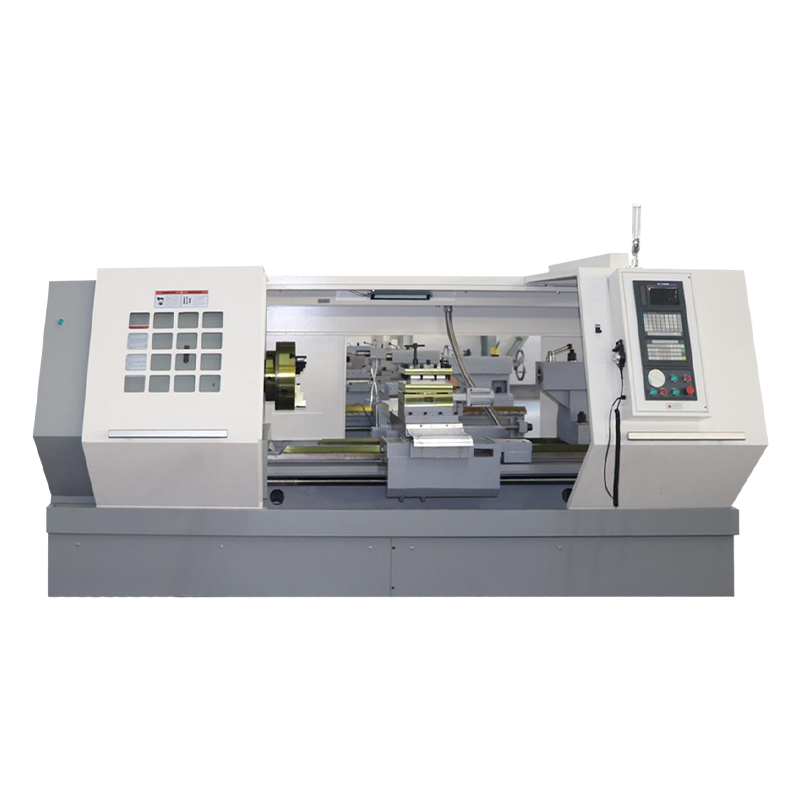
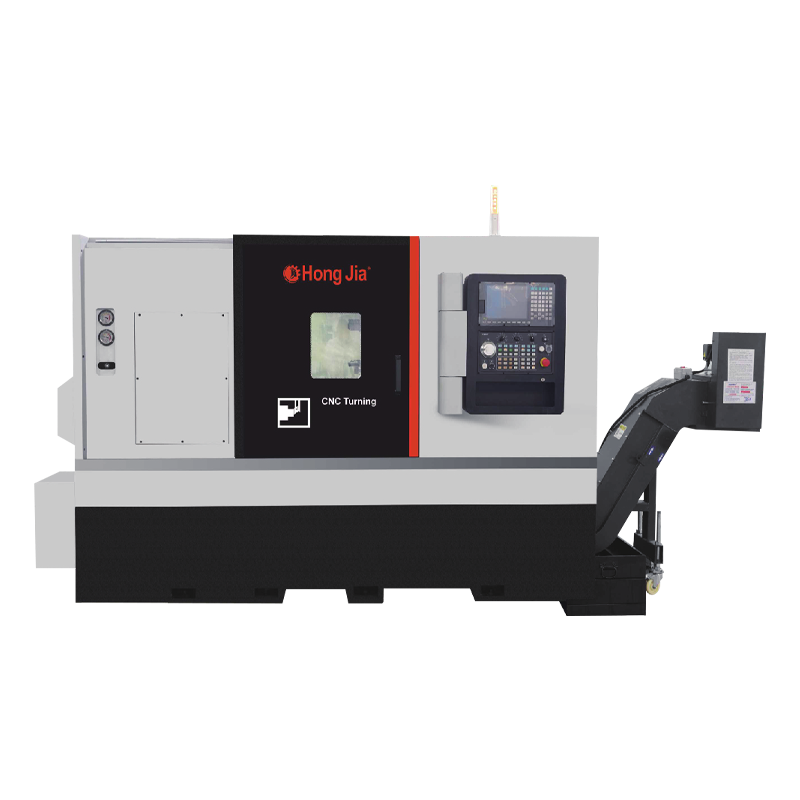
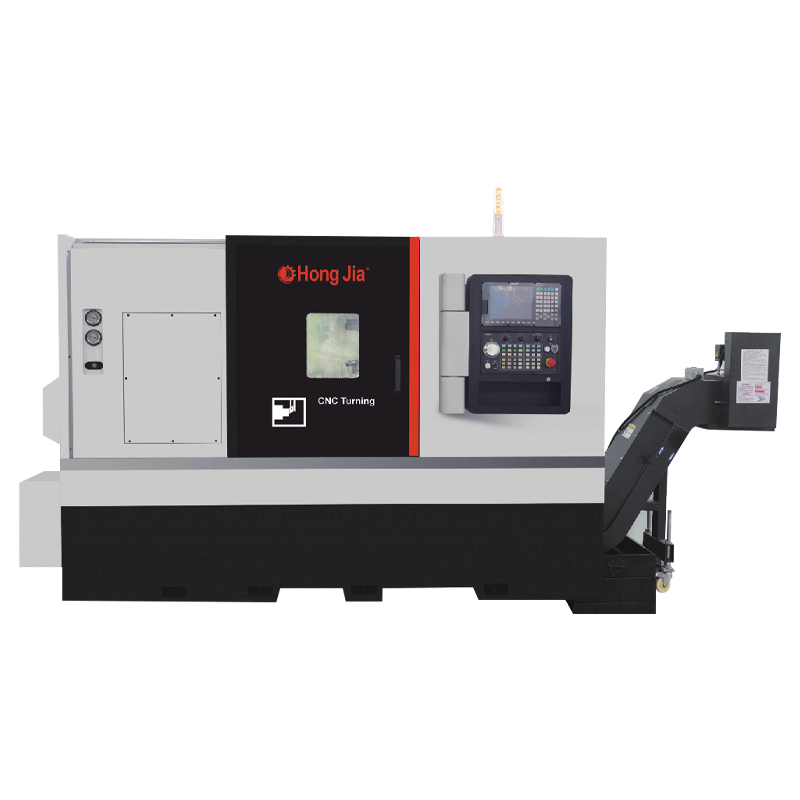
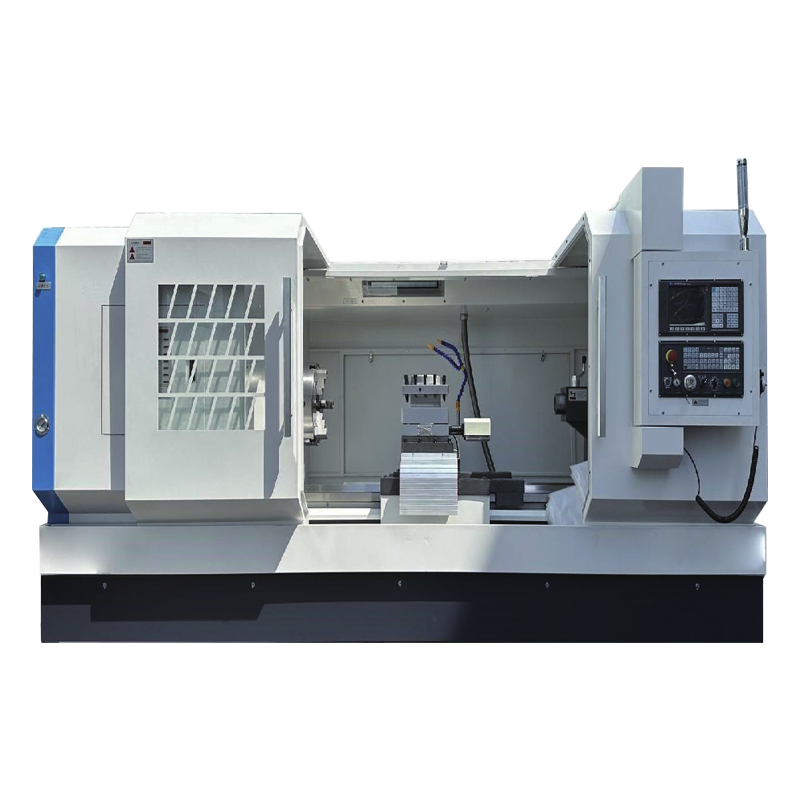
Many shops now use turning and milling composite centres that combine lathe-style turning with milling capability in a single clamping, which removes the need to move a part between separate lathe and milling operations and keeps the original datum reference intact through every process.
Common Milling Operations You Should Know
The same milling machine can perform several distinct cutting operations depending on the tool and toolpath used:
- Face milling — the cutter axis is perpendicular to the surface, producing a flat, wide finished face
- Peripheral (slab) milling — the cutter's side teeth engage the material to cut along the length of a surface
- Slot milling — a narrow cutter plunges and travels to create a groove or keyway of a set width
- Contour and profile milling — the tool follows a programmed curved path to cut complex 2D or 3D shapes
- Pocket milling — repeated passes remove material inside a boundary to create a recessed cavity
Types of Machines Inside a Modern Milling Centre Series
A complete Milling Centre Series is rarely just one machine layout. Manufacturers typically offer several configurations so buyers can match the machine to part geometry, weight, and production volume:
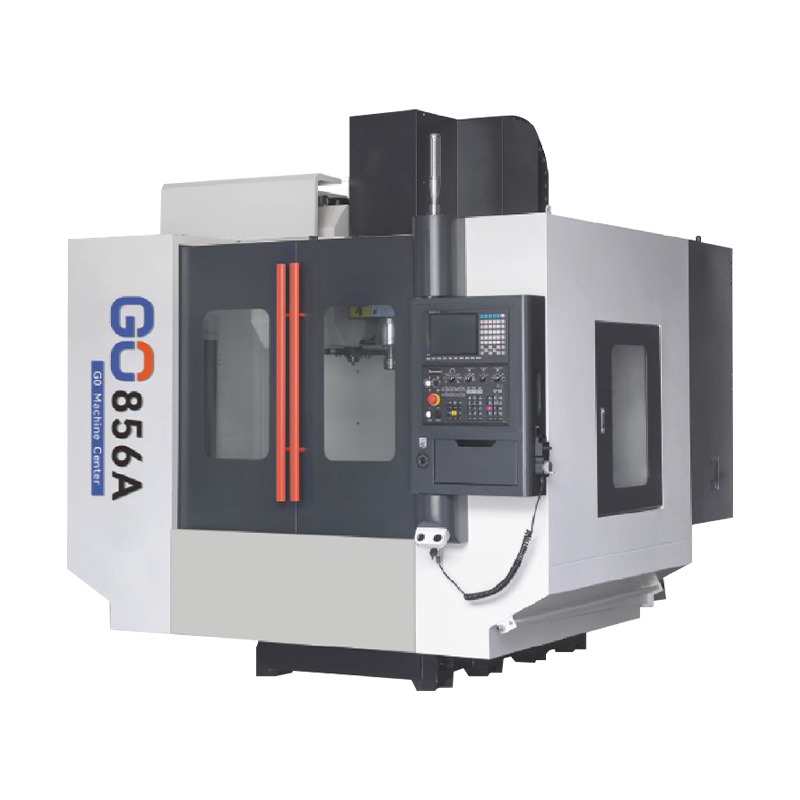
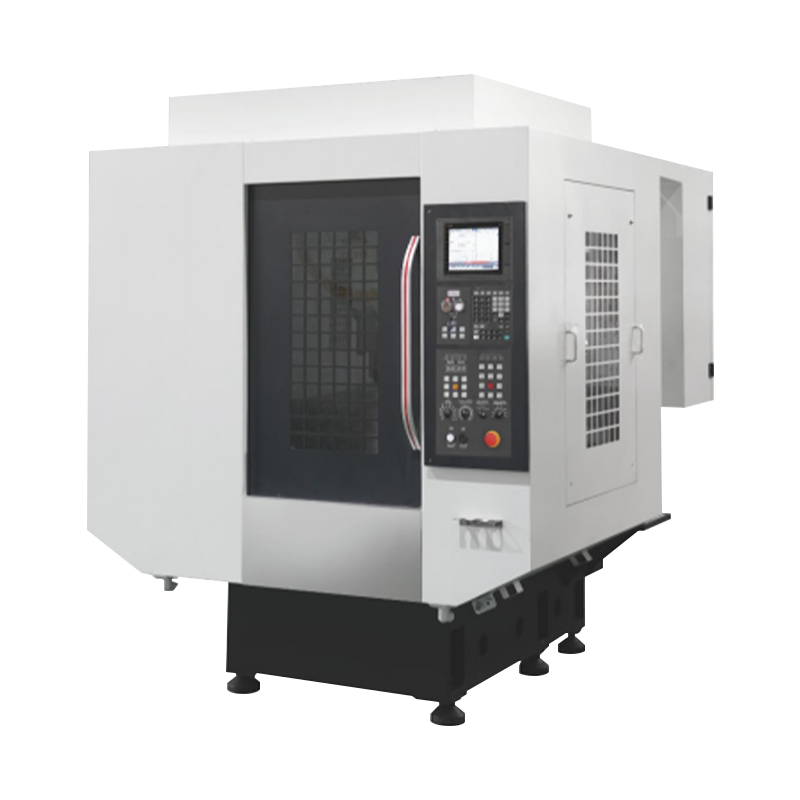
- Vertical Machining Centre (VMC) — spindle oriented vertically, ideal for flat, plate-style, and mold-and-die work where visibility of the cutting zone matters
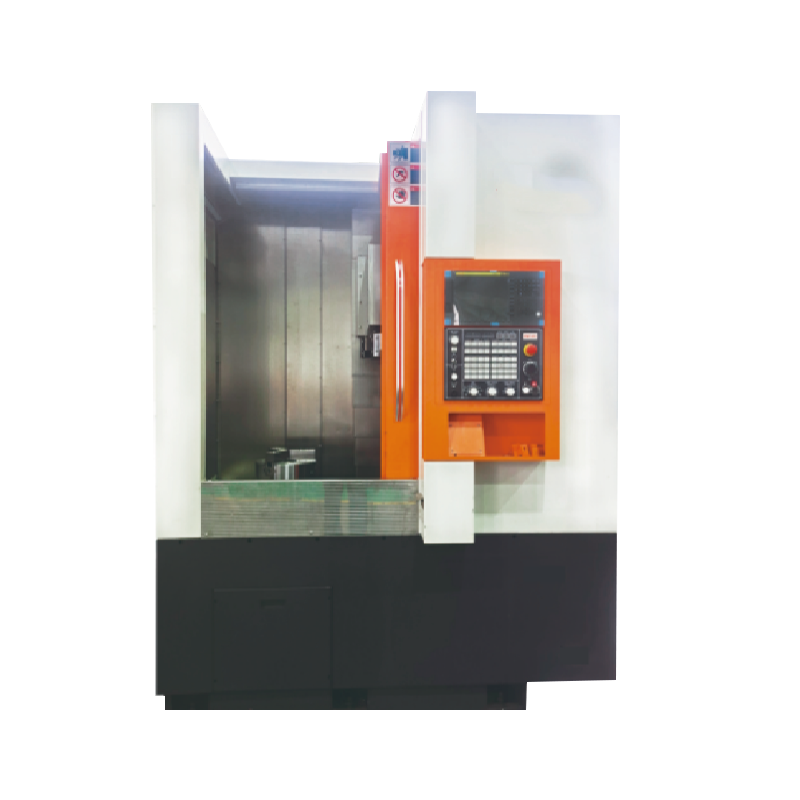
- Horizontal Machining Centre — spindle oriented horizontally, well suited to heavier parts and multi-sided machining, often paired with a pallet changer for continuous operation
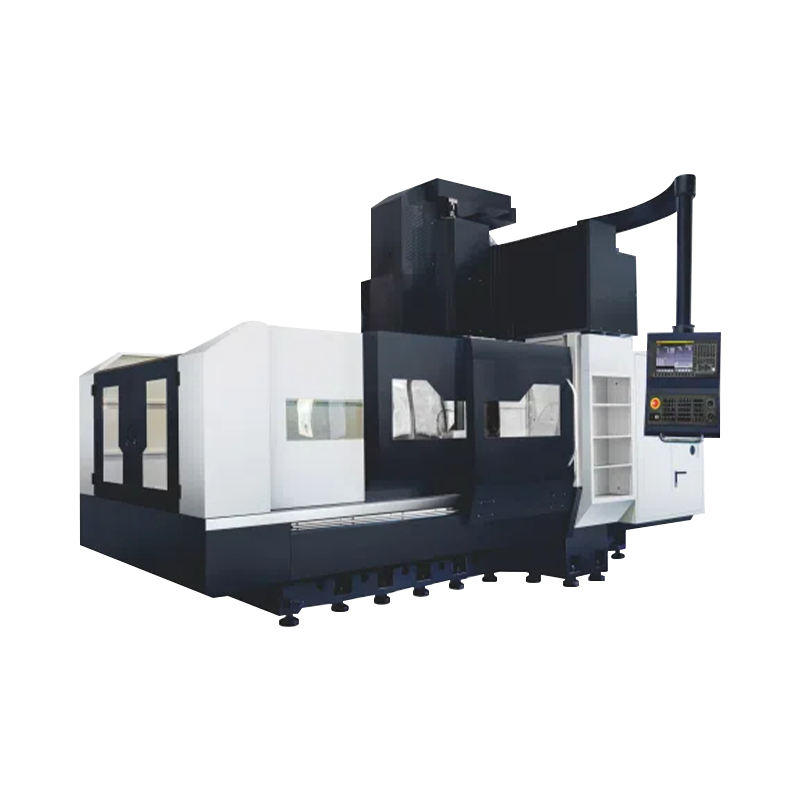
- Double Column Machining Centre — a gantry-style layout built for large, heavy workpieces that need stable support across a wide table
- Turning and Milling Composite Centre — combines lathe-style turning with milling capability so complex, multi-process parts can be finished in one clamping
What to Check Before Selecting a Milling Centre
Once the basic definition of a milling machine is clear, choosing the right model from a milling centre lineup comes down to a short, practical checklist:
- Confirm the spindle type and speed range match the material being cut — aluminum, steel, and hardened tooling steel each require different rigidity and RPM
- Check the tool magazine capacity against how many distinct operations your parts need per cycle; a 16-tool magazine, for example, can carry a full set of drills, end mills, and finishing tools without a mid-job changeover
- Verify the axis bearing grade and travel range to confirm the machine can hold the tolerances specified on your drawings
- Decide between vertical, horizontal, or composite turning-milling configurations based on part geometry and expected batch size
- Ask whether the supplier offers design-based customization, since standard catalog models do not always match unusual part envelopes or fixture requirements
Sourcing a Reliable Milling Centre Series
Ningbo Hongjia CNC Technology Co., Ltd. is a China-based manufacturer specializing in the research, development, production, and sales of CNC metal-cutting equipment, including a full Milling Centre Series that covers vertical machining centres, horizontal turning and milling machines, and double-column configurations. The company's vertical machining centres use three-axis P4-grade bearings and short-nose spindle systems to maintain stable, high-precision cutting performance across long production runs, and its lineup is built to support both standard catalog orders and design-based customization for non-standard parts.
Buyers evaluating a specific configuration for their part geometry can review the full Milling Centre Series to compare spindle types, tool capacity, and axis specifications across vertical, horizontal, and composite machining centre models before requesting a quote tailored to their production requirements.
