
 English
 中文简体
中文简体 русский
 Español
 عربى
عربى
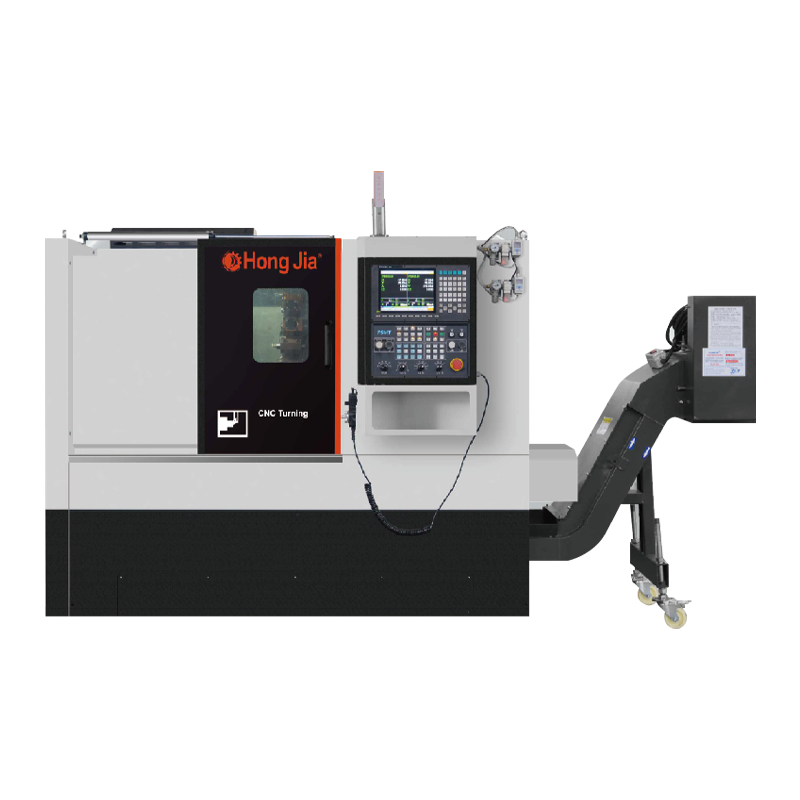
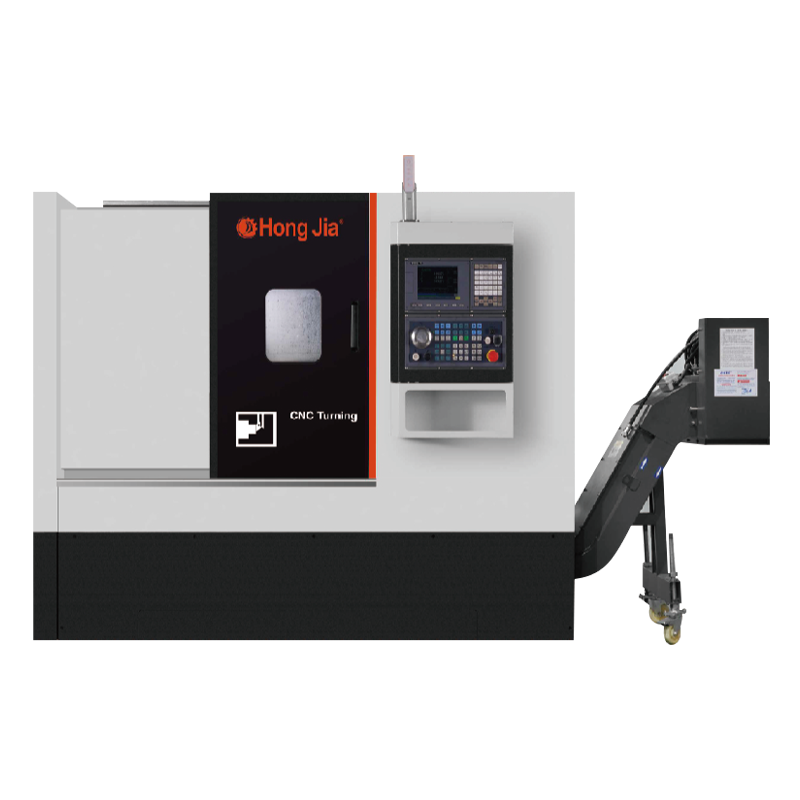
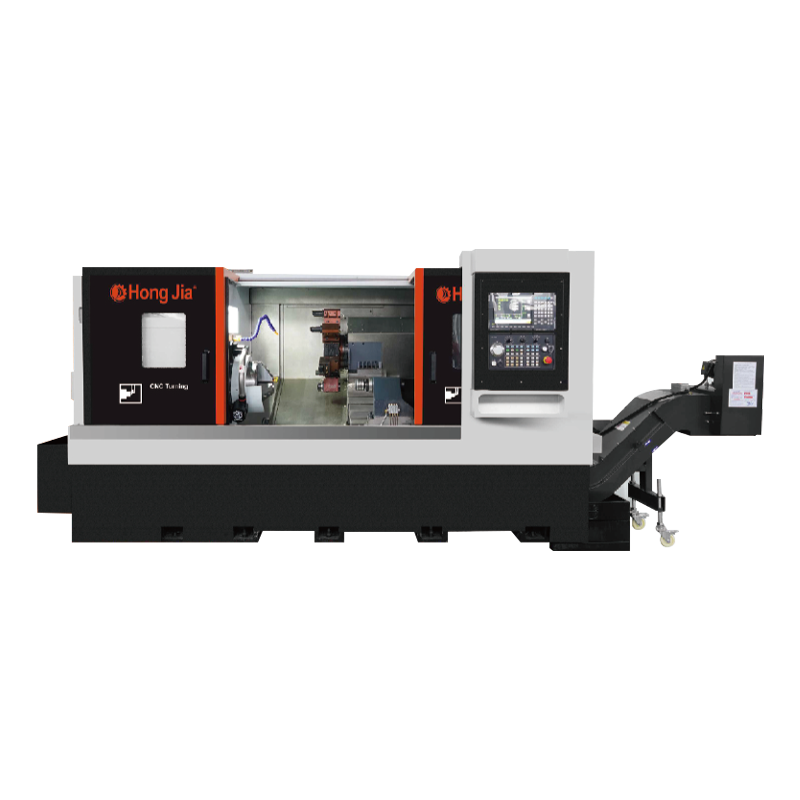
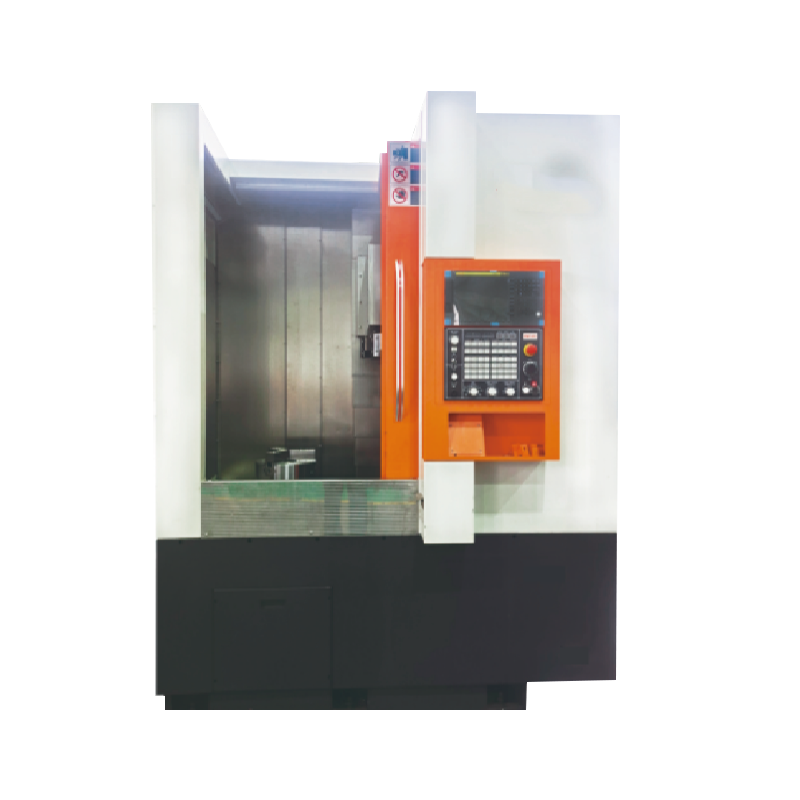
Don't hesitate to contact when you need us!
What is a Drilling and Tapping Machine?
 2025.09.25
 Industry News
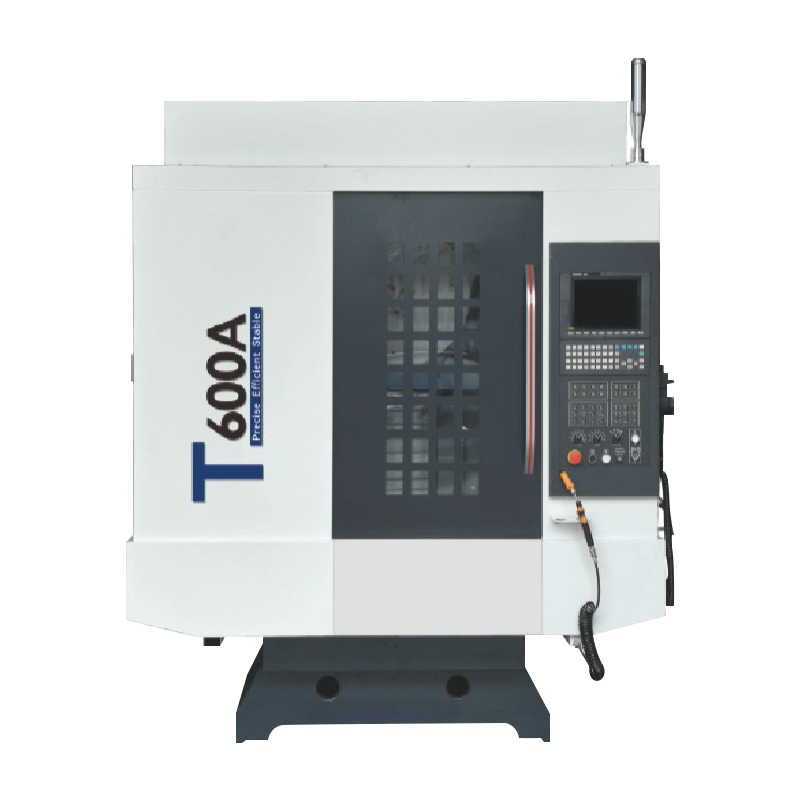
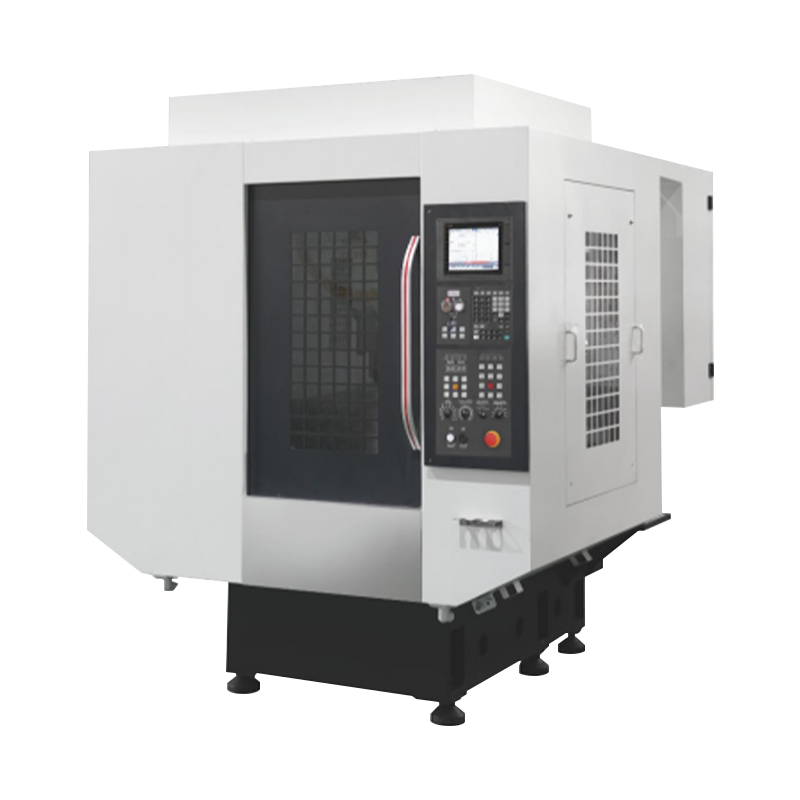
A drilling and tapping machine is a machine tool that combines drilling and tapping functions. It is primarily used to drill holes and create internal threads (tapping) in materials such as metal, plastic, and wood. Through automated or semi-automated operation, it improves processing efficiency and precision and is widely used in machinery manufacturing, mold making, automotive repair, and electronic equipment assembly.
1. Main Functions of a Drilling and Tapping Machine
Drilling: A high-speed rotating drill bit creates a circular hole in a workpiece.
Tapping: A thread (such as standard threads like M6 and M8) is cut into the drilled hole to facilitate subsequent bolt fastening.
2. Machine Types
Manual Drilling and Tapping Machines
Easy to operate, with feed controlled by a handle or rocker arm, they are suitable for small batches or maintenance work.
Examples include benchtop tapping machines and handheld electric tappers.
Semi-automatic/Automatic Drilling and Tapping Machines
Driven by a motor, they automatically perform drilling and tapping, supporting preset depths and speeds, making them suitable for mass production. Examples: CNC tapping centers, pneumatic tapping machines.
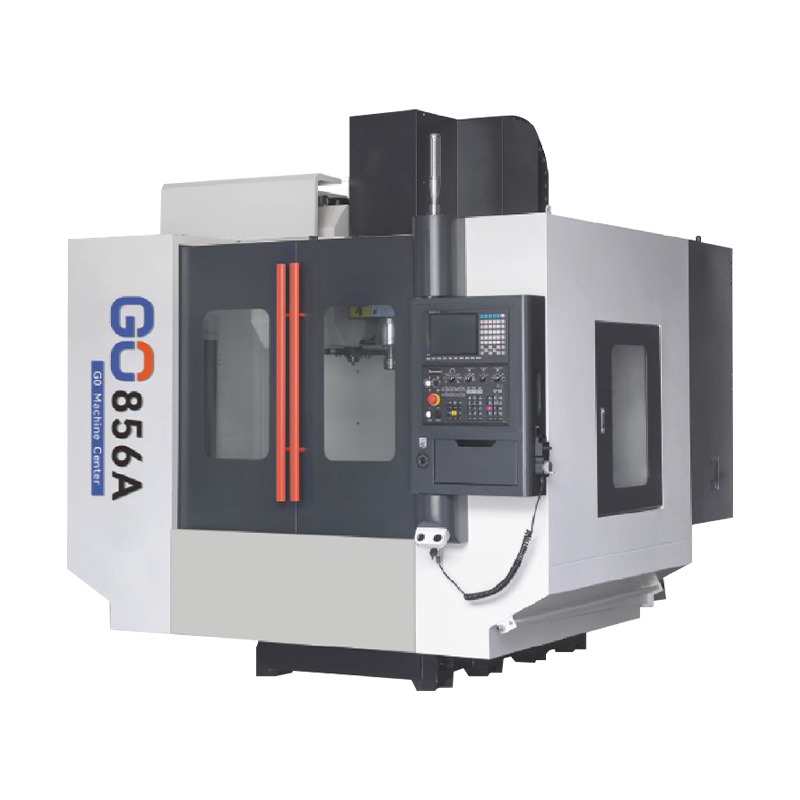
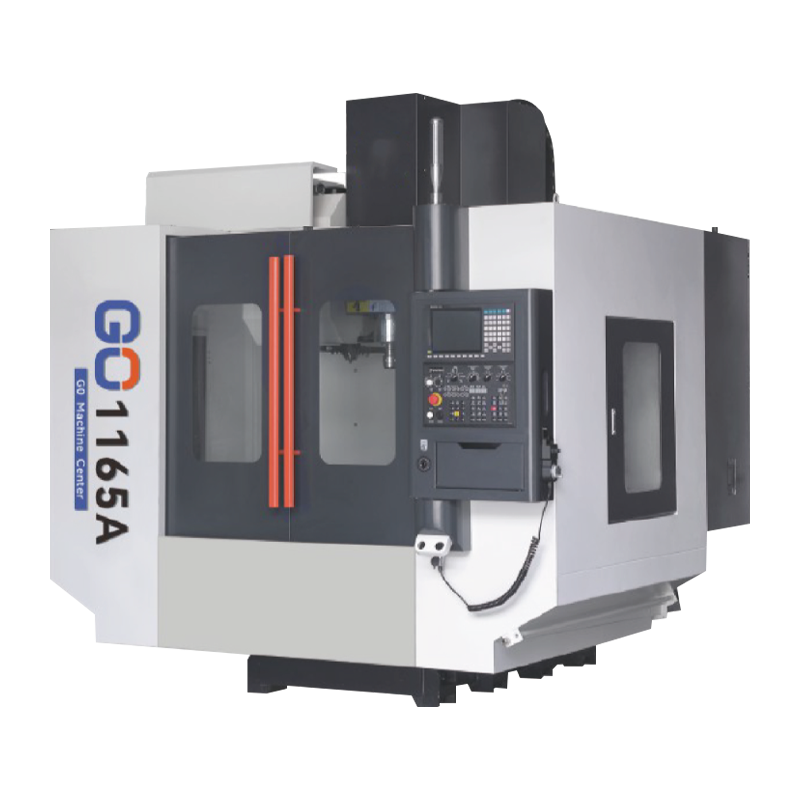
Combining milling
Drilling, and tapping functions, these machines are used for machining complex parts.
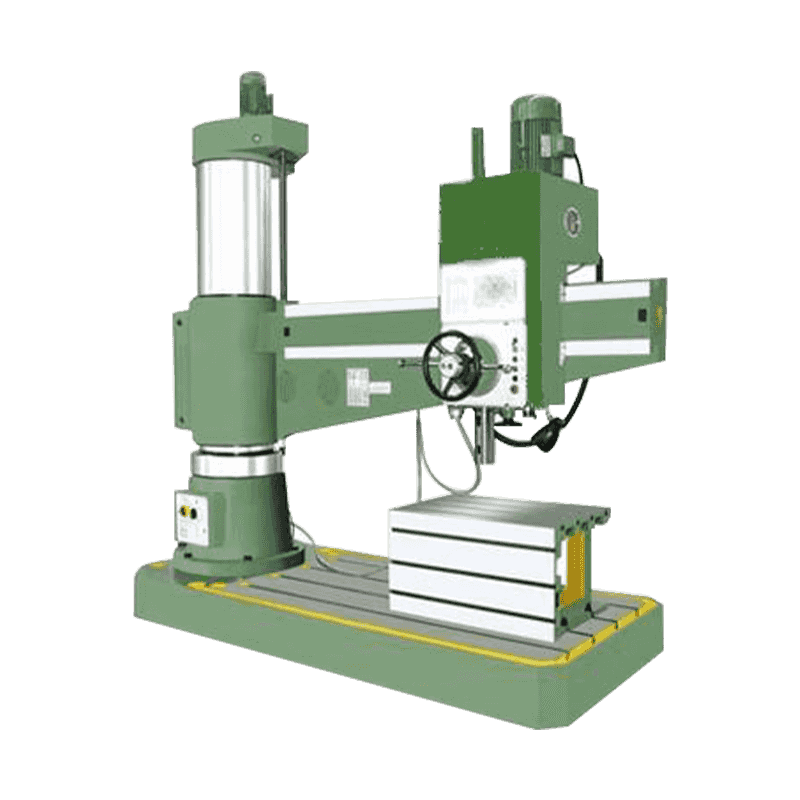
3. Core Components
Spindle: Mounts the drill or tap and provides rotational power.
Feed system: Controls the up and down movement of the tool (manual, pneumatic, or servo-driven).
Worktable: A platform that holds the workpiece and can be adjusted for angle or position.
Cooling system (optional): Spins cutting fluid to cool the tool and extend tool life.
Control system (automatic): Adjusts the speed, feed rate, and tapping depth.
4. Precautions
Tool Selection: Select drills and taps based on the material (e.g., high-speed steel, carbide). The drilling diameter should be slightly smaller than the tapping diameter (refer to the thread specification table).
Speed and Feed: Use low speeds for hard materials (e.g., steel) and high speeds for soft materials (e.g., aluminum). Tapping typically requires a lower speed than drilling. Lubrication and Cooling: When tapping, use cutting oil (such as butter or specialized tapping oil) to reduce friction and the risk of tap breakage.
Alignment and Perpendicularity: Ensure the tap is perpendicular to the hole to prevent thread skew or tap breakage.
