Direct Answer: What a Spindle Motor Does in a CNC Machine
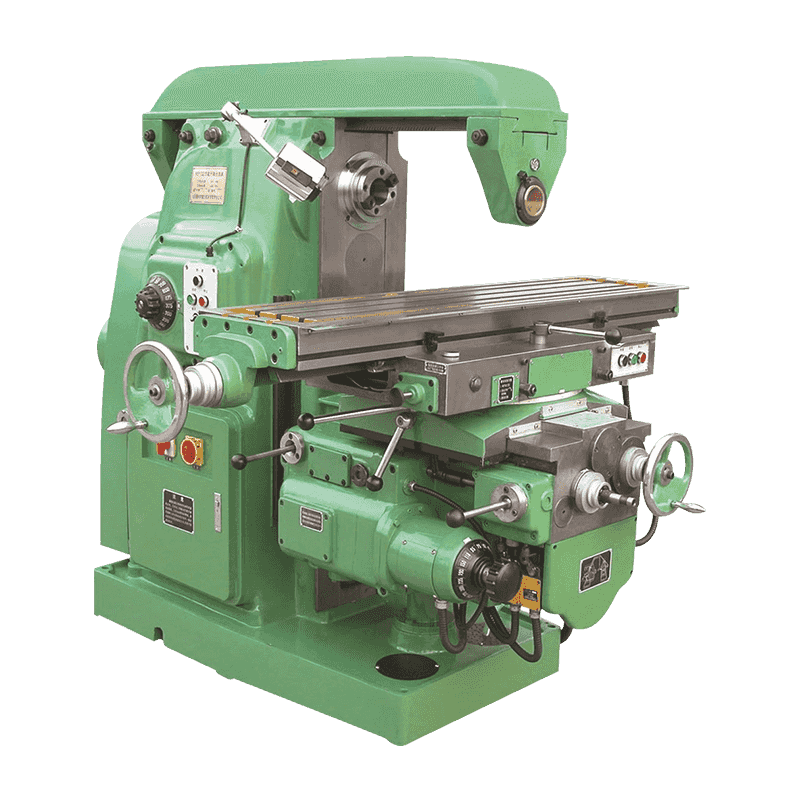
A spindle motor in CNC is the component that rotates the cutting tool or the workpiece at controlled speeds to perform machining operations such as cutting, drilling, milling, or turning. On a CNC lathe, the spindle motor typically rotates the workpiece itself while a stationary cutting tool removes material, whereas on milling machines the spindle rotates the cutting tool around a fixed or moving workpiece. The motor's speed, torque output, and power rating directly determine how efficiently a machine can cut different materials, making it one of the most important subsystems in any CNC platform. Without a properly sized and controlled spindle motor, even the most advanced CNC programming cannot achieve accurate, repeatable results.
How the Spindle Motor Fits Into the CNC System
The spindle motor works in coordination with the machine's control system, drive electronics, and mechanical spindle assembly. The CNC controller sends speed commands to a variable frequency drive (VFD) or servo drive, which regulates the electrical power delivered to the motor. This allows the spindle to accelerate, decelerate, and hold precise rotational speeds, often measured in revolutions per minute (RPM), throughout a machining cycle.
Key Functional Stages
Power enters the drive unit, the drive converts it into a controlled frequency and voltage, and the motor converts that electrical energy into mechanical rotation transmitted through a spindle shaft, bearings, and tool holder or chuck assembly.
Common Types of CNC Spindle Motors
Not all spindle motors are built the same way, and the type installed on a machine affects speed range, torque delivery, and suitability for specific materials.
| Motor Type |
Typical Speed Range |
Best Suited For |
| AC Induction Motor |
Up to ~6,000 RPM |
General-purpose milling and turning |
| Servo Motor |
Variable, high precision control |
Applications requiring precise torque feedback |
| High-Frequency Spindle Motor |
10,000–60,000+ RPM |
Fine detail work, engraving, small-diameter tools |
| Direct Drive Spindle Motor |
Wide range, minimal mechanical loss |
High-precision, high-speed CNC lathe operations |
Overview of common spindle motor types used across CNC machining platforms
Key Performance Factors That Define Spindle Motor Quality
- Power rating (kW or HP): Determines how much material the machine can remove per pass without stalling or overheating.
- Torque curve: Affects performance at both low and high RPM, which is critical for switching between roughing and finishing cuts.
- Maximum RPM: Higher speed capability allows smaller tools to achieve proper surface footage on harder materials.
- Bearing quality: Precision bearings reduce vibration and runout, directly improving surface finish accuracy.
- Cooling system: Liquid or air cooling prevents thermal expansion that can distort machining tolerances during long production runs.
Spindle Motors on a CNC Lathe vs Other CNC Platforms
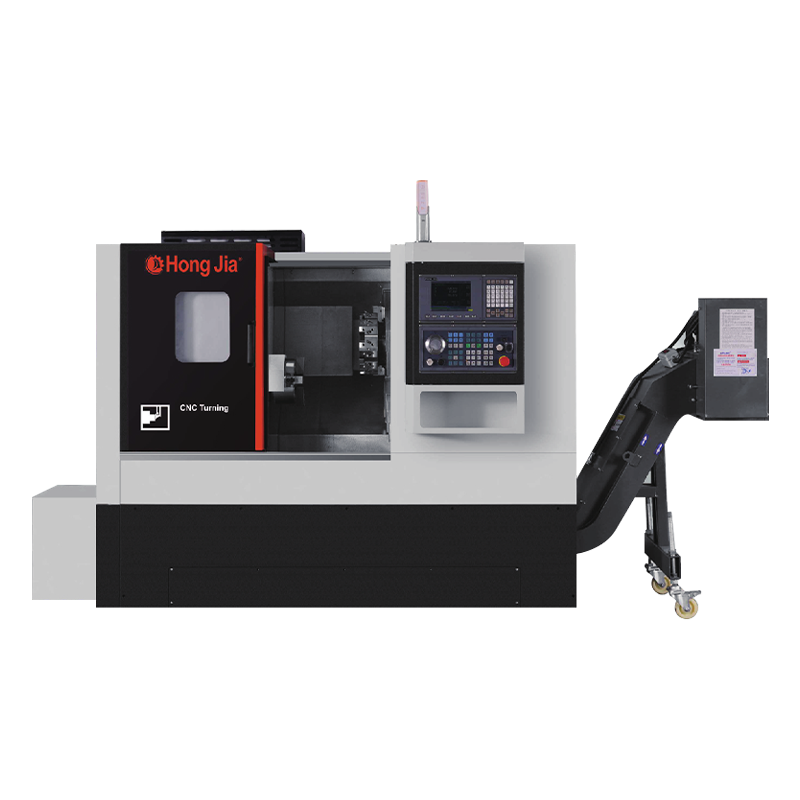
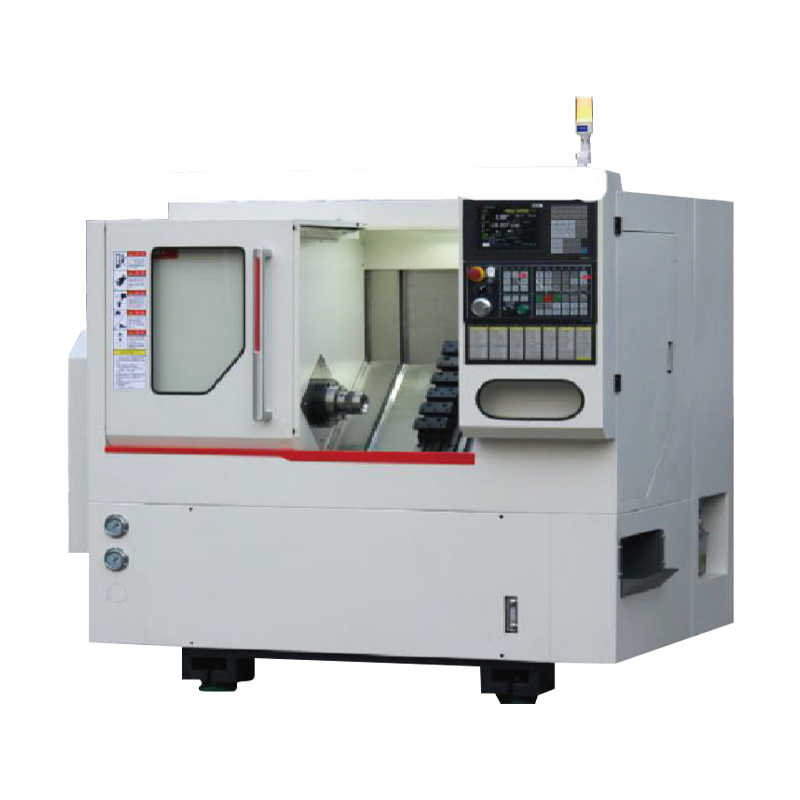
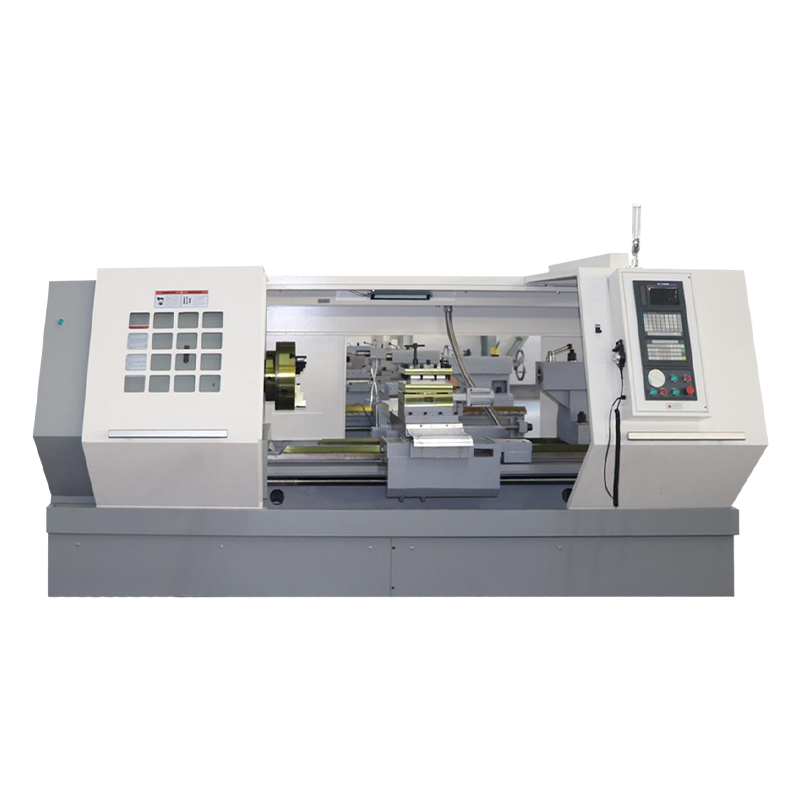
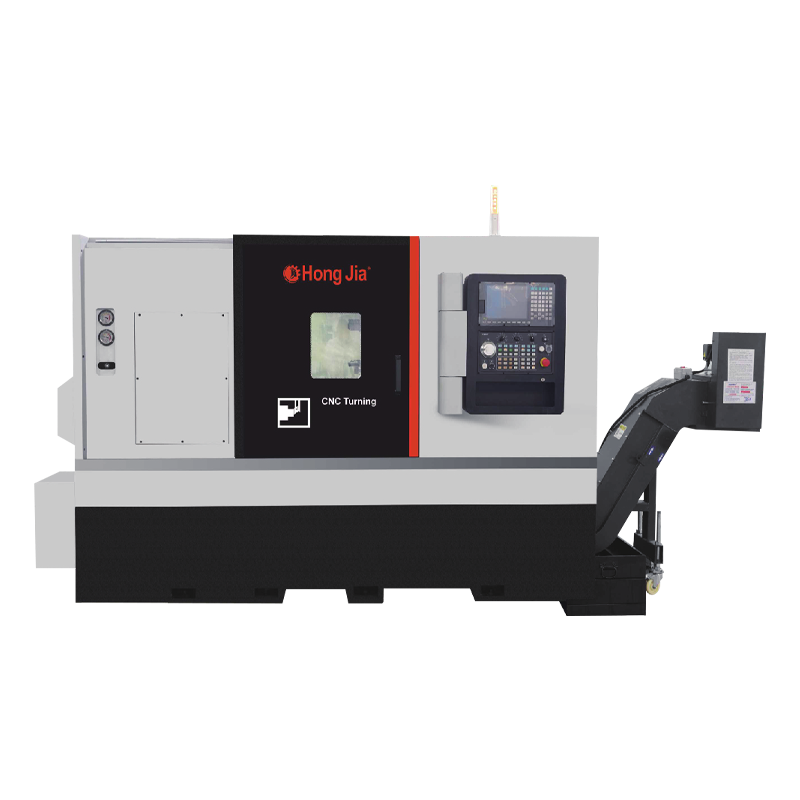
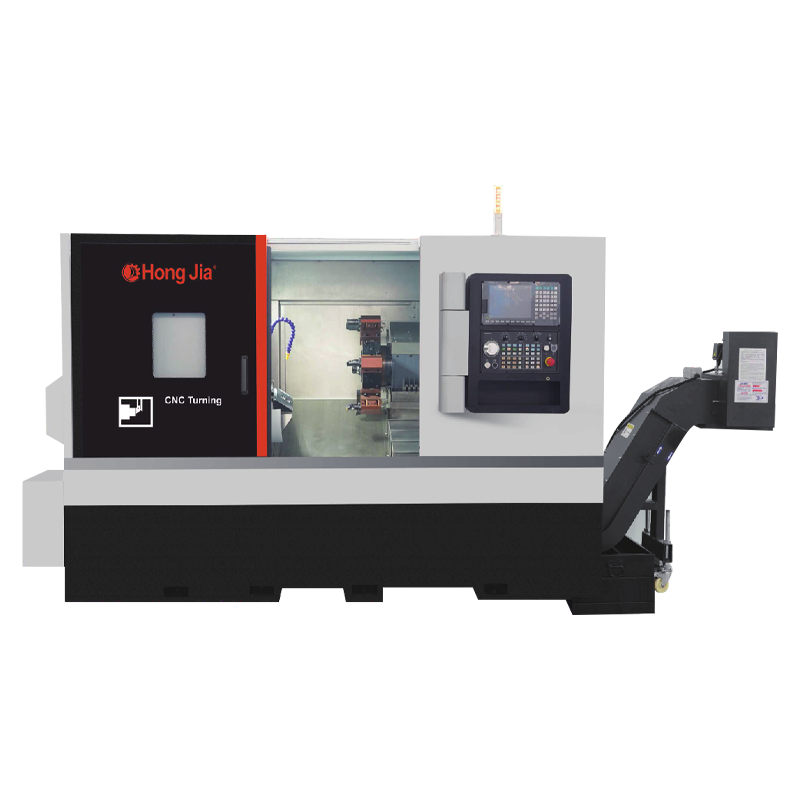
On a CNC lathe, the spindle motor is responsible for rotating the raw material stock itself, often clamped in a chuck, while the cutting tool remains stationary or moves along a controlled path. This differs from CNC milling machines, where the spindle motor instead spins the cutting tool while the workpiece is held in place or moved along multiple axes. Because lathe spindle motors must maintain consistent rotational speed under varying cutting loads, torque stability at different RPM ranges is especially important for achieving accurate diameters and smooth surface finishes on turned parts.
Why This Matters for Precision Turning
Inconsistent spindle speed on a lathe can cause chatter marks, dimensional inaccuracies, or premature tool wear. A well-matched motor and drive system keeps rotational speed stable even as cutting forces change during a turning operation.
Industries That Depend on Reliable CNC Spindle Performance
- Automotive component manufacturing: High-volume turned parts require consistent spindle speed and repeatable accuracy.
- Aerospace machining: Tight tolerances demand stable torque delivery across a wide RPM range.
- Medical device production: Fine surface finishes on small parts benefit from high-frequency spindle motors.
- General metalworking and job shops: Versatile spindle motors support a wide range of material types and part sizes.
Maintenance Tips to Extend Spindle Motor Lifespan
Spindle motors experience continuous mechanical and thermal stress, so proactive maintenance helps avoid unplanned downtime and costly repairs.
- Monitor spindle temperature regularly to catch early signs of bearing wear or cooling system issues.
- Check for abnormal vibration or noise, which often indicates bearing degradation or imbalance.
- Follow manufacturer-recommended lubrication intervals for spindle bearings where applicable.
- Avoid running the spindle motor consistently near its maximum rated load, which accelerates wear.
- Keep cooling systems clean and free of debris to maintain consistent thermal performance.
Choosing the Right Spindle Motor for Your CNC Application
Selecting an appropriate spindle motor depends on the materials being machined, the required surface finish, expected production volume, and the specific demands of milling versus turning operations. Machines intended for hard metals typically require higher torque at lower RPM, while those focused on fine detail work benefit from high-speed, high-frequency motors. Matching motor specifications to the machine's overall drive system and control software ensures stable performance and consistent part quality across production runs.
Manufacturers evaluating CNC equipment should compare spindle power ratings, RPM ranges, and drive compatibility carefully, since these specifications directly influence what materials and part geometries a machine can handle effectively.
Final Takeaway
A spindle motor in CNC systems is the driving force behind every cutting, turning, or milling operation, converting electrical energy into precisely controlled rotational motion. Whether powering a CNC lathe or a multi-axis milling center, the spindle motor's power, torque, and speed characteristics directly shape machining accuracy, surface finish quality, and overall production efficiency, making it a critical factor to evaluate when selecting or maintaining CNC equipment.

 English
 中文简体
中文简体 русский
 Español
 عربى
عربى