
 English
 中文简体
中文简体 русский
 Español
 عربى
عربى
Don't hesitate to contact when you need us!
Milling Definition Explained: How Turning and Milling Machines Work
 2026.08.12
 Industry News
Content
- 1 What Is the Milling Definition in Modern Machining
- 2 How the Milling Process Actually Works
- 3 Common Types of Milling Operations
- 4 Milling vs Turning: Why the Two Are Often Combined
- 5 What a Turning and Milling Machine Actually Consists Of
- 6 How to Select the Right Turning and Milling Machine
- 7 Industries That Rely on Turning and Milling Machines
- 8 Maintaining Accuracy on a Turning and Milling Machine
- 9 Final Takeaway on Milling and Combined Machining
What Is the Milling Definition in Modern Machining
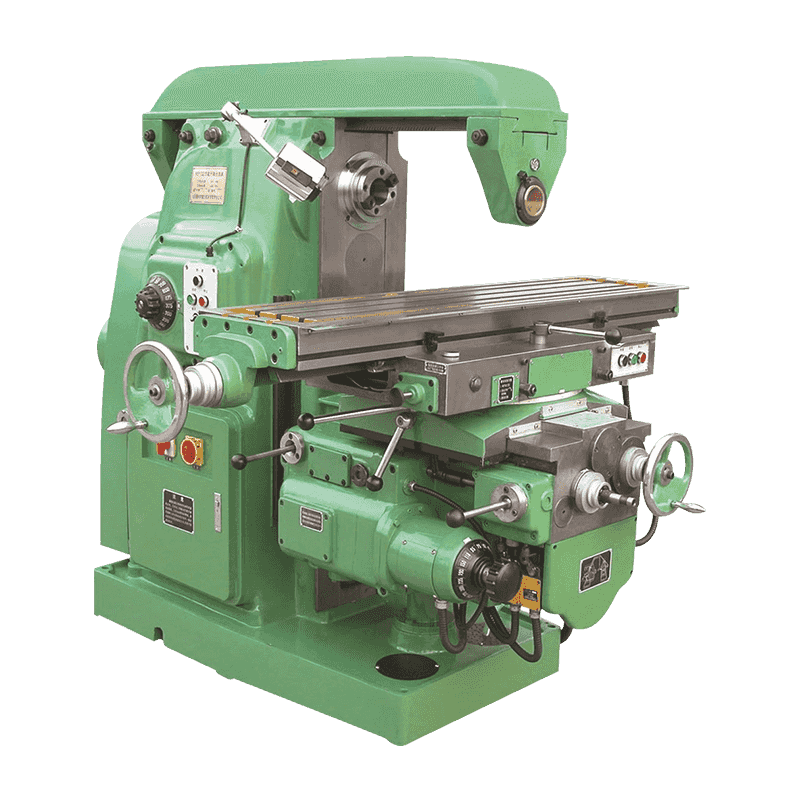
The simplest milling definition is this: milling is a subtractive machining process in which a rotating multi-point cutting tool removes material from a stationary or moving workpiece to create a specific shape, slot, pocket, or surface finish. Unlike turning, where the workpiece itself rotates against a fixed tool, milling relies on the cutter's rotation to generate the cutting action, while the workpiece is fed in linear or rotary directions across multiple axes.
In industrial practice, this process is executed by a milling machine or, increasingly, by a combined turning and milling machine that integrates both operations into a single setup. This shift toward combined machining has become one of the defining trends in precision manufacturing over the past decade, driven by demand for shorter cycle times and tighter tolerances.
How the Milling Process Actually Works
A milling operation depends on three coordinated variables: spindle speed, feed rate, and depth of cut. The cutting tool, mounted in a rotating spindle, engages the workpiece at a programmed angle and speed. As the tool rotates, individual cutting edges make intermittent contact with the material, shearing away chips in a repeated cycle rather than a continuous stream, which is one of the key differences from turning operations.
Core Elements That Define a Milling Operation
- Spindle rotation direction and speed, typically measured in revolutions per minute
- Feed rate, describing how fast the workpiece or tool moves through the cut
- Depth and width of cut, which determine material removal rate per pass
- Tool geometry, including flute count, helix angle, and coating material
On a modern CNC turning and milling machine, all of these parameters are digitally controlled and can be adjusted mid-cycle, allowing a single program to handle roughing, finishing, and even secondary drilling or tapping operations without operator intervention.
Common Types of Milling Operations
Understanding the different milling categories helps clarify why a combined turning and milling machine is so valuable for complex parts. Each type addresses a different geometric requirement, and most production parts require more than one type in sequence.
| Milling Type | Cutting Motion | Typical Use |
|---|---|---|
| Face Milling | Cutter axis perpendicular to surface | Flat surface finishing |
| Peripheral Milling | Cutter edge parallel to surface | Slot and profile cutting |
| End Milling | Combined face and peripheral action | Pockets, contours, complex shapes |
| Angle Milling | Angled cutter engagement | Chamfers, dovetails, angled slots |
Milling vs Turning: Why the Two Are Often Combined
Turning removes material by rotating the workpiece against a stationary or linearly fed tool, producing round, symmetrical geometries such as shafts and flanges. Milling, by contrast, removes material through a rotating tool acting on a stationary or multi-axis-fed workpiece, producing flats, slots, holes, and irregular contours. A part that requires both a cylindrical body and a flat-sided feature, such as a keyway or mounting face, traditionally needed two separate machines and two setups.
A turning and milling machine eliminates that gap by mounting a live tooling turret or a secondary milling spindle directly onto a turning platform. This allows a single fixture to hold the workpiece through both rotational and rotary-tool operations, which significantly reduces repositioning error and shortens overall cycle time.
Practical Benefits of Combined Processing
- Fewer setups reduce cumulative positioning tolerance stack-up
- Shorter total cycle time compared with separate turning and milling stages
- Lower labor and fixture costs due to single-machine workflow
- Improved repeatability for medium and high-volume batch production
What a Turning and Milling Machine Actually Consists Of
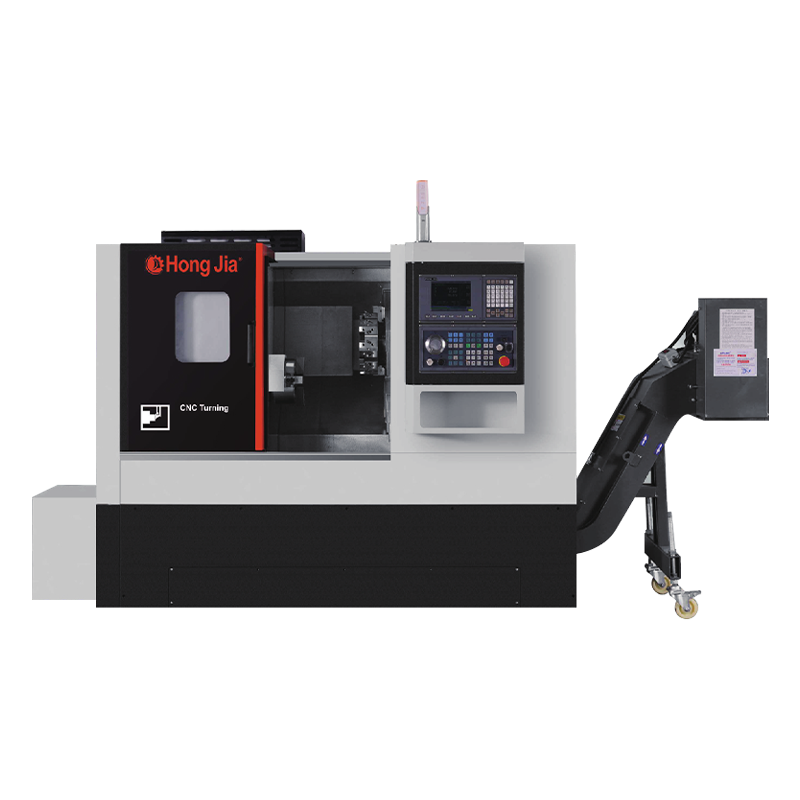
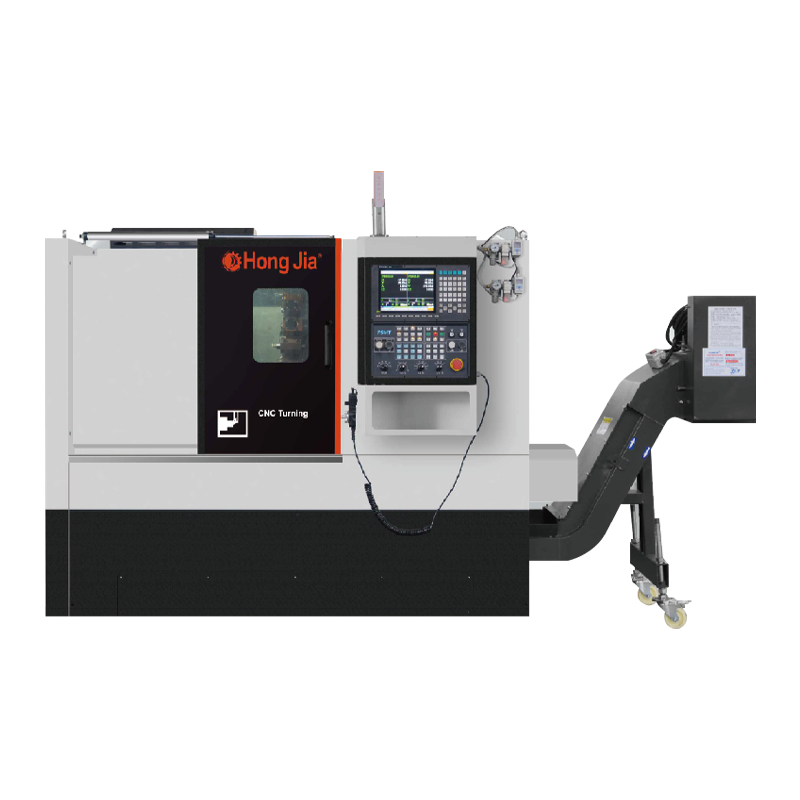
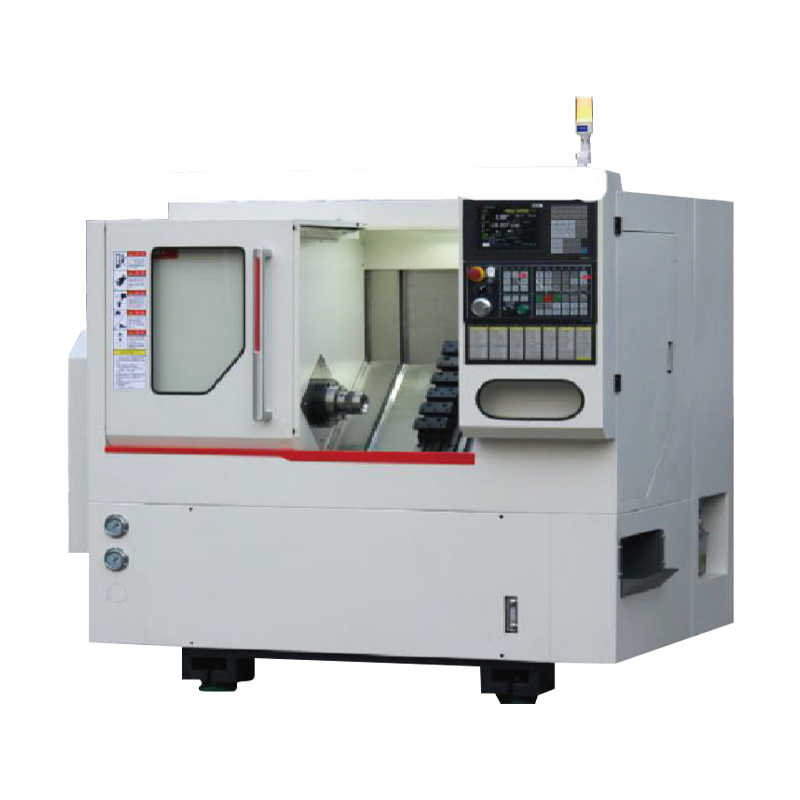
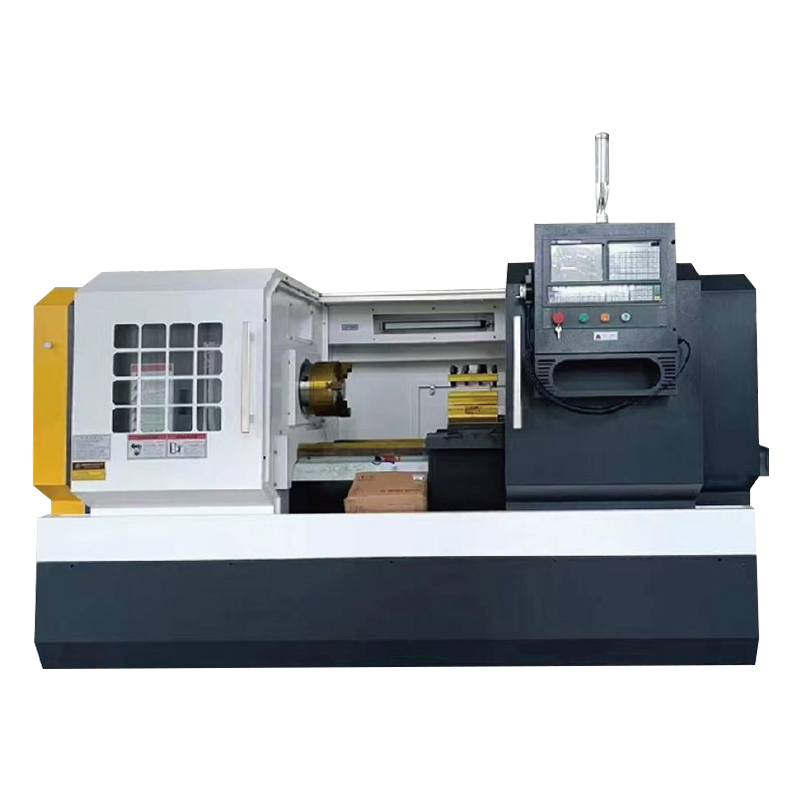
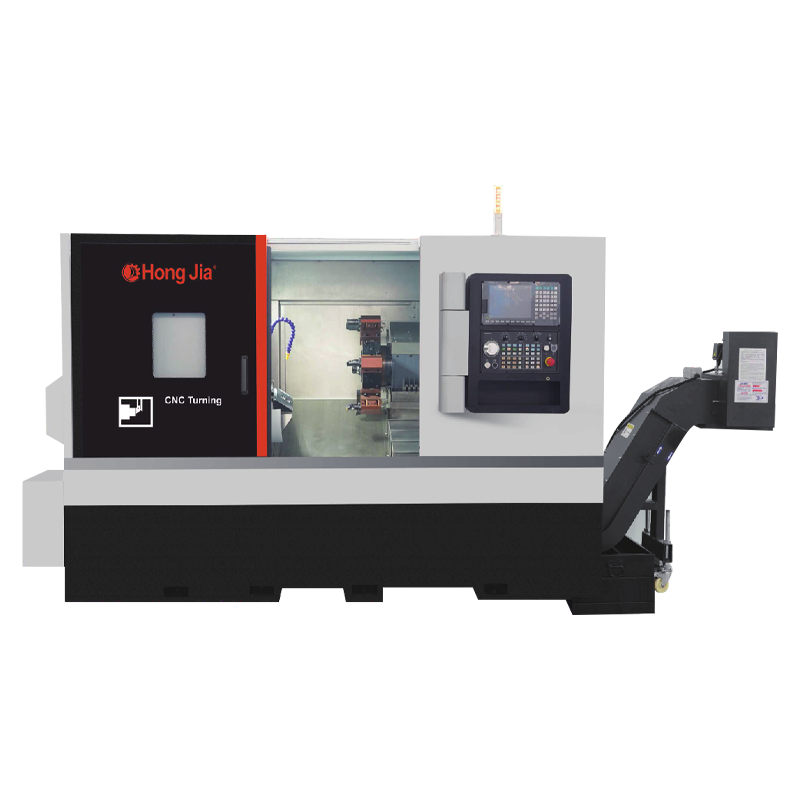
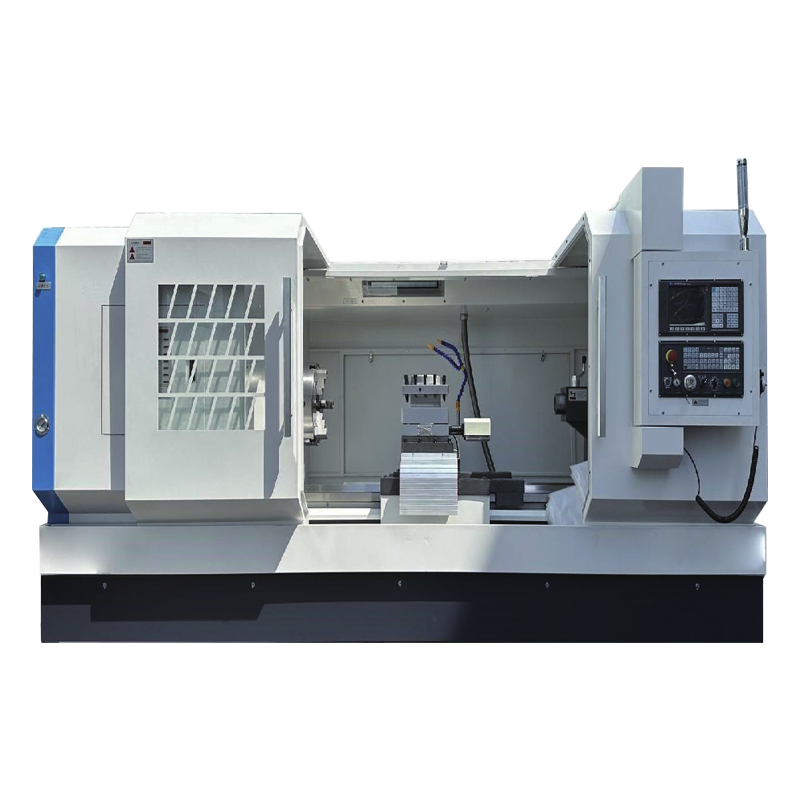
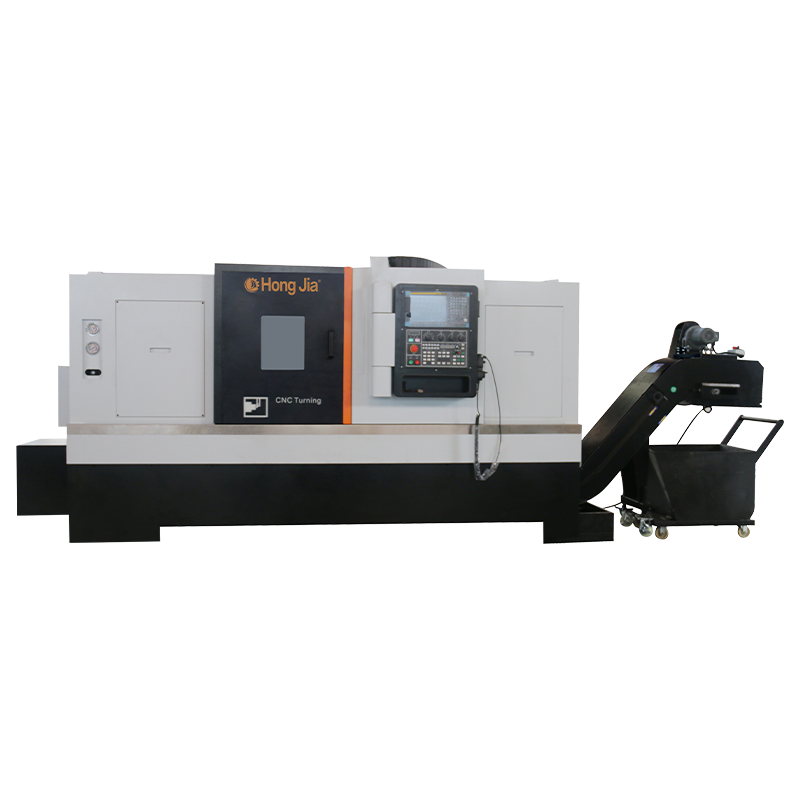
A modern horizontal CNC turning and milling machine typically combines a main spindle for rotational turning, a sub-spindle for back-side machining, and one or more live tooling stations capable of driven drilling, tapping, and milling operations. The result is a machine tool that can complete a finished part, front and back, without manual reloading.
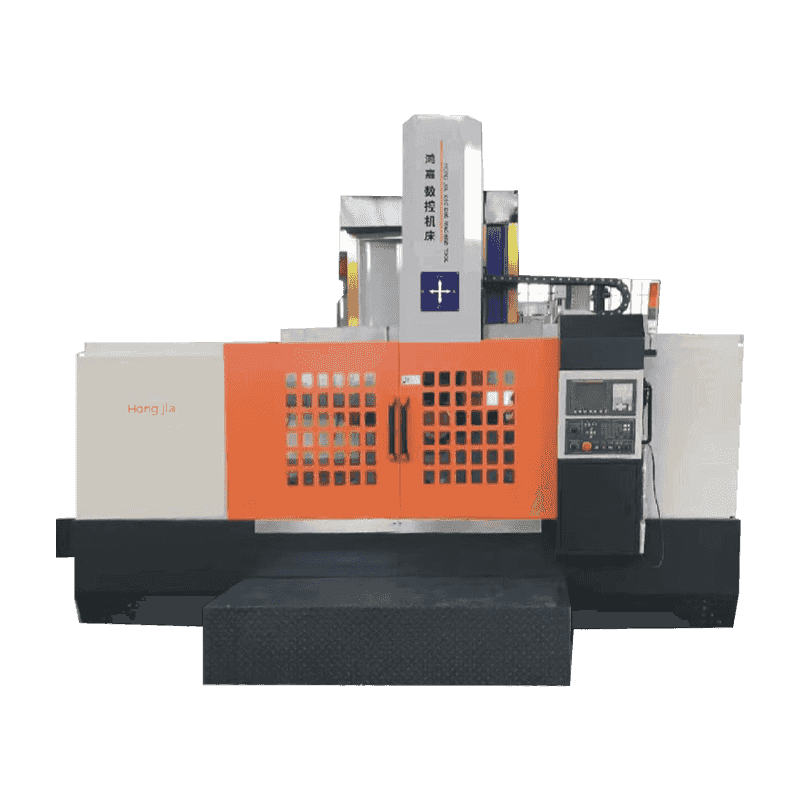
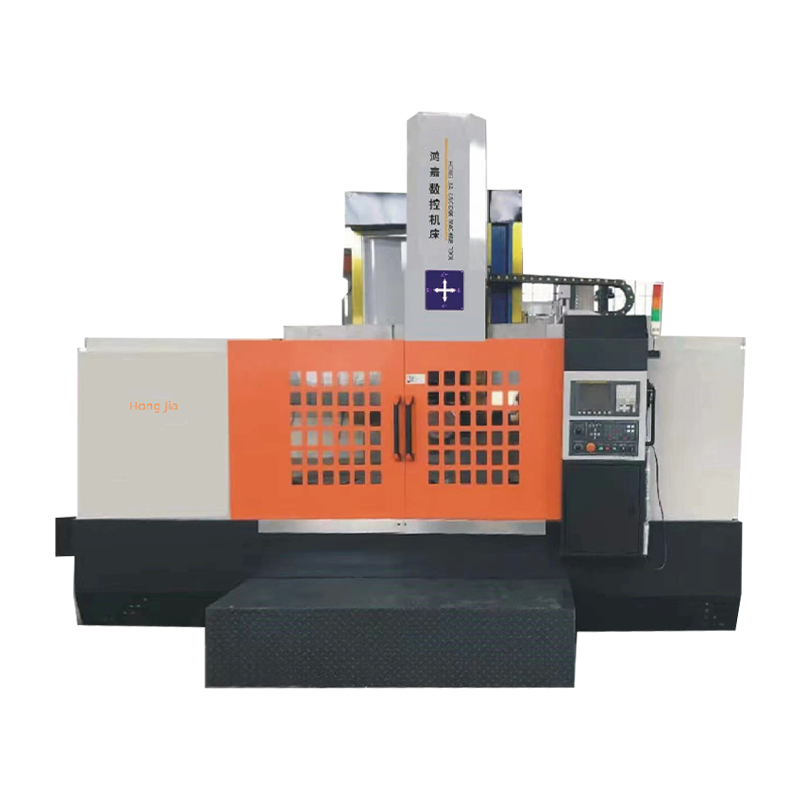
Companies specializing in this category, such as Hongjia CNC, offer horizontal turning and milling series machines designed around multi-axis coordination, rigid tool turrets, and integrated control systems that synchronize spindle and milling axes in real time. This kind of platform is commonly applied to automotive components, hydraulic fittings, aerospace hardware, and precision medical parts where dimensional accuracy across multiple features is critical.
Typical Structural Components
- Main spindle and chuck for primary turning operations
- Sub-spindle for secondary or back-face machining
- Live tooling turret enabling rotary milling and drilling actions
- Y-axis or B-axis capability for off-center and angled milling paths
- CNC control system managing simultaneous multi-axis synchronization
How to Select the Right Turning and Milling Machine
Choosing between a standard lathe, a dedicated milling machine, or a combined turning and milling machine depends heavily on part complexity and production volume. For simple round parts with no off-axis features, a conventional lathe remains cost-effective. Once a part requires cross-drilling, flats, or milled slots in addition to turned diameters, a combined machine typically pays back its higher upfront cost through reduced handling and faster throughput.
Key Factors to Evaluate
- Maximum workpiece diameter and length the spindle and bed can support
- Number of live tooling stations required for the part family
- Availability of a sub-spindle for complete front-and-back machining
- Control system compatibility with existing CAM software
- Expected batch size and changeover frequency between part numbers
Manufacturers evaluating a horizontal CNC turning and milling series, such as the models offered by Hongjia CNC, should also confirm spindle torque curves and tooling capacity against their heaviest anticipated material removal jobs, since undersized rigidity is a common cause of chatter and premature tool wear.
Industries That Rely on Turning and Milling Machines
The combination of turning and milling capability is now standard across several precision manufacturing sectors, where parts frequently combine rotational geometry with flat or angled features.
| Industry | Typical Parts |
|---|---|
| Automotive | Shafts, gear blanks, transmission components |
| Hydraulics and Pneumatics | Fittings, valve bodies, manifold blocks |
| Aerospace | Structural brackets, connectors, fasteners |
| Medical Devices | Surgical instrument components, implant fixtures |
Maintaining Accuracy on a Turning and Milling Machine
Because a turning and milling machine handles two distinct cutting mechanisms in one platform, maintenance requirements are somewhat broader than for a single-process machine tool. Spindle bearing preload, turret indexing accuracy, and live tooling drive alignment all need periodic verification to preserve tolerance across both turned and milled features.
Recommended Maintenance Practices
- Check spindle and turret alignment on a scheduled interval, not only after error signals appear
- Inspect live tooling gearboxes for wear, since these components see intermittent high-torque loading
- Monitor coolant delivery to both turning and milling zones to prevent localized thermal drift
- Verify tool offset calibration after any tool change or crash event
Following a consistent maintenance schedule keeps a combined machine operating within the same tolerance band throughout its service life, which is essential given how much of the machine's value depends on eliminating secondary setup error.
Final Takeaway on Milling and Combined Machining
A clear milling definition starts with understanding that material is removed by a rotating cutter rather than a rotating workpiece. When that capability is merged with turning on a single platform, the resulting turning and milling machine allows manufacturers to produce geometrically complex parts in fewer setups, with tighter tolerance control and shorter cycle times. For any operation producing parts that combine round and flat or angled features, evaluating a combined machine such as those in a horizontal CNC turning and milling series is a practical step toward reducing production cost while improving part consistency.
